
Aethes smeathmanniana
(Fabricius, 1781)
Smeathmann's Aethes Moth
A small tortricid with a wingspan of 12–19 mm. are active from May to August. The has a trans-Atlantic distribution, occurring across Europe, Asia Minor, and eastern North America. Larvae develop within seeds of various plants, particularly composites.
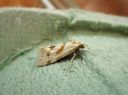

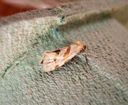
Pronunciation
How to pronounce Aethes smeathmanniana: //ˈiː.θiːz smiːθ.mænˈiː.a.nə//
These audio files are automatically generated. While they are not always 100% accurate, they are a good starting point.
Identification
Wingspan 12–19 mm distinguishes it from larger tortricids. active May–August. Larval association with composite seeds (Achillea, Centaurea) provides ecological context. Specific diagnostic features for field identification not documented in available sources.
Images
Appearance
Small with wingspan 12–19 mm. No detailed coloration or pattern description available in sources.
Habitat
details not explicitly described in available sources. Occurs in regions supporting larval plants including Achillea millefolium and Centaurea , which inhabit open, disturbed, and grassland environments.
Distribution
Europe (widespread), Asia Minor, and eastern North America (recorded from New Jersey and Newfoundland and Labrador).
Seasonality
on wing from May to August.
Diet
Larvae feed on seeds of various plants. Documented plants include Achillea millefolium, Centaurea (including C. nigra), Anthemis cotula, and Lactuca sativa.
Host Associations
- Achillea millefolium - larval (seeds)
- Centaurea nigra - larval (seeds)
- Anthemis cotula - larval (seeds)
- Lactuca sativa - larval (seeds)cultivated lettuce
Life Cycle
Complete with larval development inside seeds. Specific details on placement, site, and stage not documented.
Behavior
are and attracted to light. Larvae develop internally within seeds, feeding on developing embryos and endosperm.
Ecological Role
Seed affecting reproductive output of plants. May contribute to natural regulation of composite in grassland and .
Human Relevance
Minor potential agricultural significance as larvae have been recorded on cultivated lettuce (Lactuca sativa). No major economic impact documented.
Similar Taxa
- Other Aethes speciesSimilar small size and general appearance; precise identification requires genitalia examination or detailed wing pattern analysis not covered in available sources.
- Other TortricidaeMany small tortricids share comparable size range; seasonality and association data may aid separation where known.