
Xenotemna
Powell, 1964
Species Guides
1- Xenotemna pallorana(Pallid Leafroller Moth)
Xenotemna is a of tortricid moths established by Powell in 1964. The sole , Xenotemna pallorana, is a widespread North American tortrix with an unusually broad larval range spanning herbaceous plants, conifers, and woody angiosperms. The genus is classified within the tribe Archipini of Tortricinae.
Pronunciation
How to pronounce Xenotemna: //ˌzɛnəˈtɛmnə//
These audio files are automatically generated. While they are not always 100% accurate, they are a good starting point.
Identification
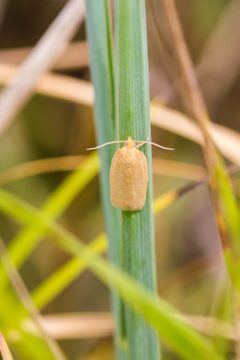
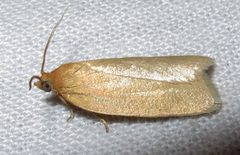
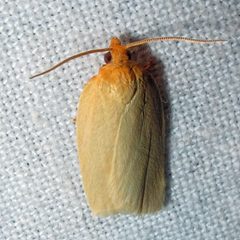
The is currently , so identification to genus level equates to identification of X. pallorana. Within Archipini, Xenotemna may be distinguished by genitalic characters (male valvae, female sterigma) as described in the original generic . Externally, X. pallorana shows pale whitish-gray forewings with variable darker markings; precise separation from similar pale archipine species requires dissection and reference to Powell's 1964 original description.
Images
Appearance
Forewing length 8.5–14 mm. As the contains only one , morphological characteristics are those of X. pallorana: exhibit typical tortricid wing posture at rest, with forewings held roof-like over the body.
Habitat
Recorded across diverse North American biomes from forest (Alaska, Quebec) to temperate deciduous forest, grasslands, and anthropogenic . Larval indicate occupancy of open meadows, forest edges, coniferous plantations, orchards, and riparian zones.
Distribution
North America: Alaska to California, eastward to Florida, north to Quebec and Ontario. Records span approximately 55 degrees of latitude, indicating broad climatic .
Diet
Larvae are leaf-folders, feeding from within folded leaves. Documented span three plant divisions: Magnoliophyta (Aster, Erigeron annuus, Silphium, Solidago, Symphyotrichum novae-angliae, Hypericum perforatum, Medicago sativa, Melilotus officinalis, Trifolium, Monarda fistulosa, Fragaria, Malus, Prunus pumila, Prunus serotina, Prunus virginiana, Rosa, Comandra umbellata, Ulmus, Verbena), Pinophyta (Picea glauca, Pinus banksiana, Pinus resinosa, Pinus strobus, Pinus sylvestris). This represents exceptional dietary breadth for a tortricid, encompassing composites, legumes, rosaceous fruit trees, conifers, and other woody plants.
Host Associations
- Aster - larval within folded leaves
- Erigeron annuus - larval within folded leaves
- Silphium - larval within folded leaves
- Solidago - larval within folded leaves
- Symphyotrichum novae-angliae - larval within folded leaves
- Hypericum perforatum - larval within folded leaves
- Medicago sativa - larval within folded leaves
- Melilotus officinalis - larval within folded leaves
- Trifolium - larval within folded leaves
- Monarda fistulosa - larval within folded leaves
- Picea glauca - larval within folded leaves
- Pinus banksiana - larval within folded leaves
- Pinus resinosa - larval within folded leaves
- Pinus strobus - larval within folded leaves
- Pinus sylvestris - larval within folded leaves
- Fragaria - larval within folded leaves
- Malus - larval within folded leaves
- Prunus pumila - larval within folded leaves
- Prunus serotina - larval within folded leaves
- Prunus virginiana - larval within folded leaves
- Rosa - larval within folded leaves
- Comandra umbellata - larval within folded leaves
- Ulmus - larval within folded leaves
- Verbena - larval within folded leaves
Life Cycle
Complete with four stages: , larva, pupa, . Larvae construct leaf-folds for feeding and presumably , though pupal is not explicitly documented. Multiple per year are likely given the broad latitudinal range, but voltinism has not been formally studied.
Behavior
Larvae are leaf-folders, feeding from within shelter constructed by folding or rolling plant leaves. This provides protection from and desiccation. behavior is poorly documented; typical tortricid activity patterns ( to ) may be assumed but have not been specifically observed.
Ecological Role
As a highly leaf-folder, larvae function as herbivores across multiple plant . The documented range includes both native vegetation and agricultural/forestry (alfalfa, apple, strawberry, pine), suggesting potential as a minor pest in managed , though economic impact has not been quantified. No specific or relationships have been published.
Human Relevance
Minor potential relevance to agriculture and forestry given larval feeding on Malus (apple), Fragaria (strawberry), Medicago sativa (alfalfa), and multiple Pinus . However, the species is not recognized as a significant pest in any crop system. No cultural or conservation significance has been documented.
Similar Taxa
- ArchipsSimilar pale archipine tortricids with comparable size and wing pattern; separation requires genitalic examination and reference to Powell's original generic .
- ChoristoneuraSome share pale coloration and conifer associations; Xenotemna is distinguished by broader host range including herbaceous plants and angiosperm trees, plus structural genitalic differences.
More Details
Taxonomic stability
The has remained since its description in 1964, with no additional described or transferred into Xenotemna. This stability reflects the distinctive genitalic that Powell used to establish the genus.
Host range anomaly
The combination of conifer-feeding (Picea, Pinus) with broad angiosperm herb and tree feeding is exceptional within Archipini and rare among Tortricidae generally. This dietary breadth may contribute to the ' extensive geographic distribution.