Dichrorampha vancouverana
McDunnough, 1935
tanacetum root moth, Tansy Root Moth
Dichrorampha vancouverana is a small with a wingspan of 12–15 mm, found across most of Europe, the eastern Palearctic, and the Nearctic. are active in June and July during afternoon and evening hours. The are root-feeding on tansy (Tanacetum vulgare) and yarrow (Achillea millefolium). The inhabits dry grasslands, rough meadows, and scrub .
Pronunciation
How to pronounce Dichrorampha vancouverana: //ˌdɪkroʊˈræmfə vænˌkuːvəˈræ.nə//
These audio files are automatically generated. While they are not always 100% accurate, they are a good starting point.
Identification
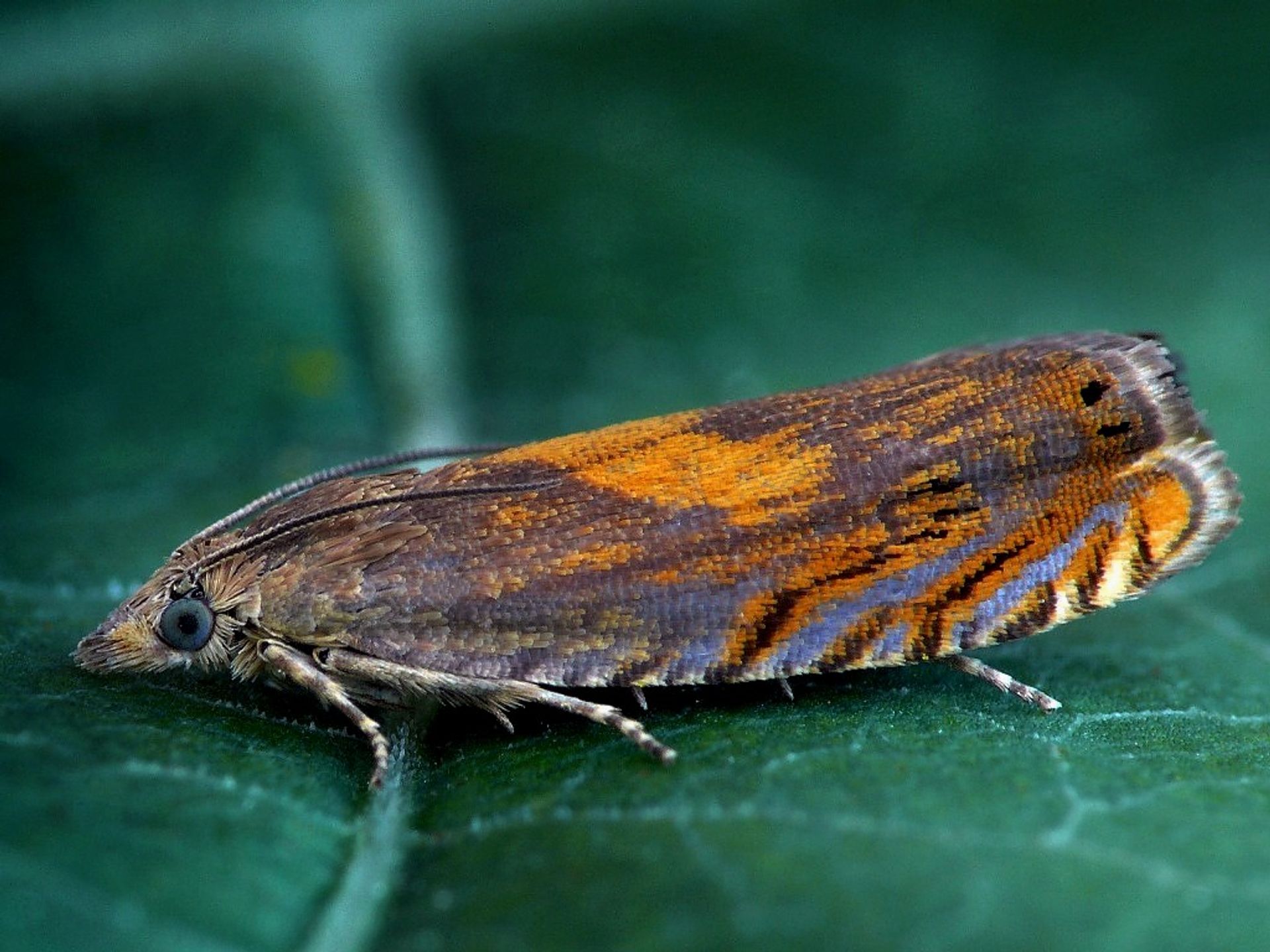
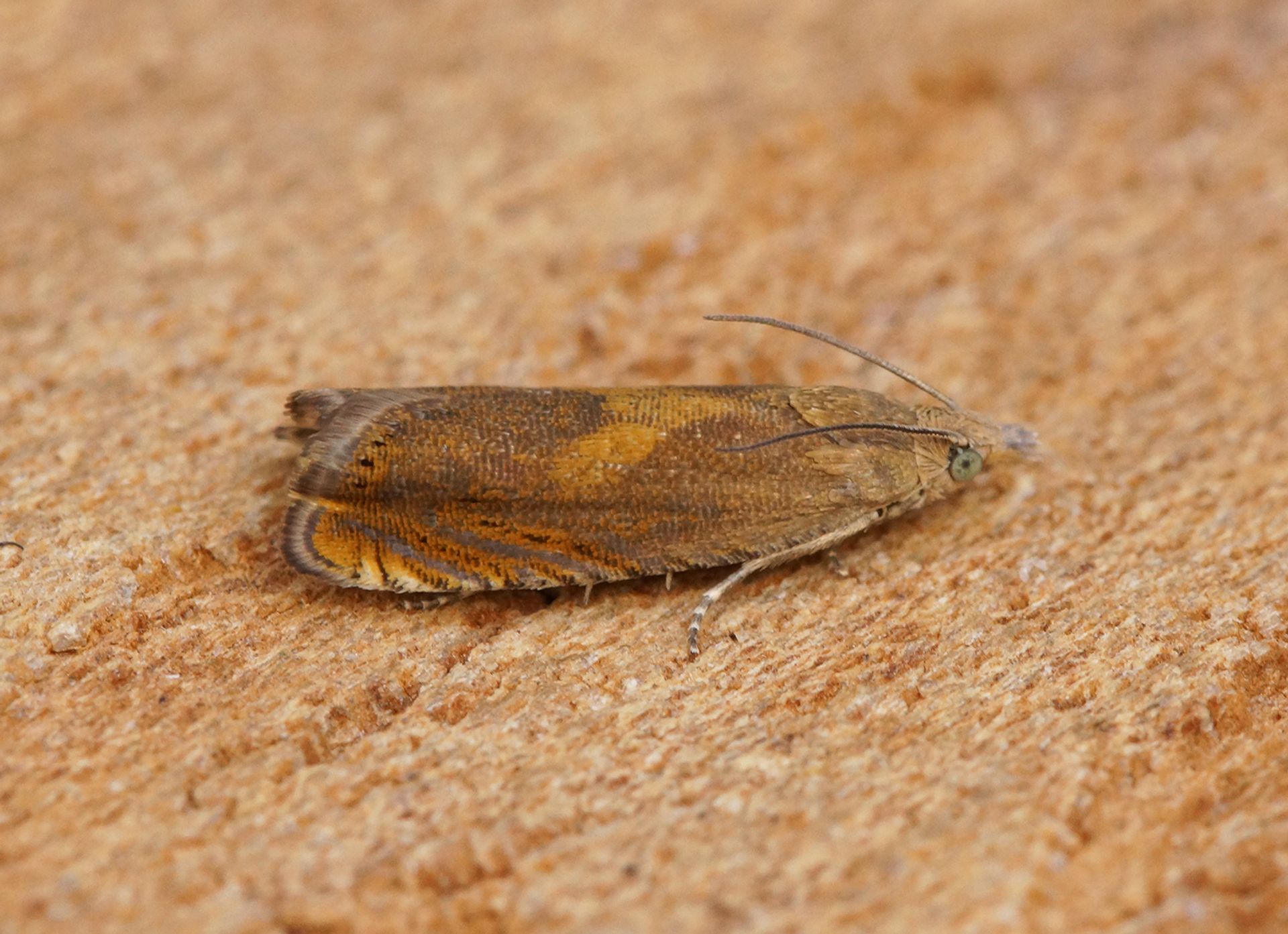
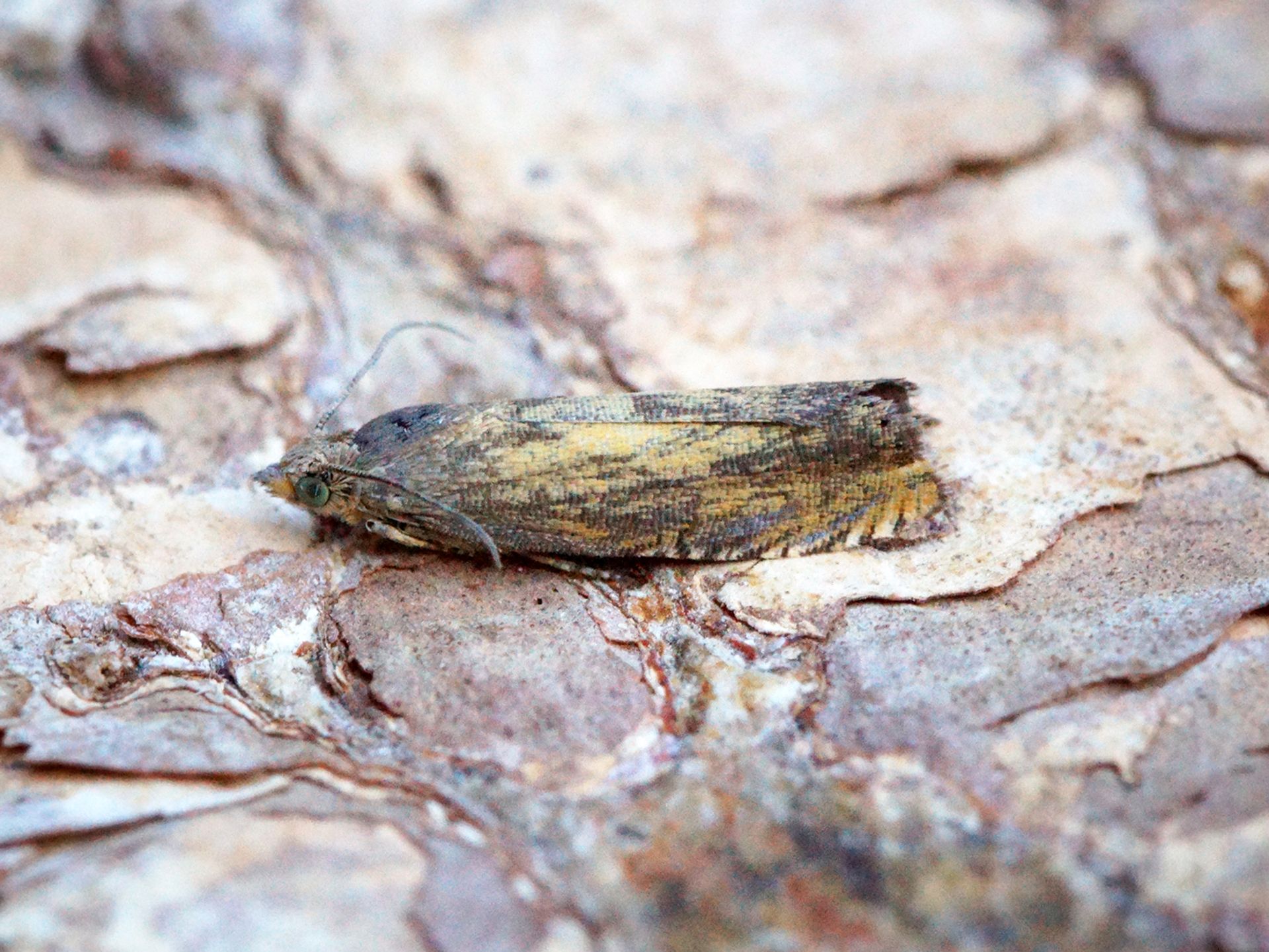
Distinguished from similar Dichrorampha alpinana and Dichrorampha flavidorsana by the specific pattern of the blotch and markings. The large comma-shaped ochreous-orange or pale yellowish medio- blotch combined with the irregular and dark markings along the forewing outer edge provides diagnostic characters.
Images
Appearance
Small to -sized with wingspan 12–15 mm. are dark or dark grey-brown with a large comma-shaped ochreous-orange or pale yellowish medio- blotch. Small irregular and dark brown markings occur along the outer edge of the forewings. are dark brown.
Habitat
Dry grassy places, rough meadows, downland, and scrub vegetation.
Distribution
Present in most of Europe except the far north and southeast; also occurs in the eastern and the . GBIF records confirm presence in Belgium.
Seasonality
in June and July, with activity during afternoon hours, warm evenings, and at sunset.
Diet
feed within the roots of tansy (Tanacetum vulgare) and yarrow (Achillea millefolium).
Host Associations
- Tanacetum vulgare - larval foodplant feed within roots
- Achillea millefolium - larval foodplant feed within roots
Life Cycle
develop within the roots of plants. details not specified in available sources.
Behavior
during afternoon, warm evenings, and at sunset. are root-borers, feeding internally within roots.
Ecological Role
As a root-feeding , may influence . The contributes to the diversity of root-feeding in grassland .
Human Relevance
'tanacetum root ' reflects its association with tansy, a used historically for medicinal and insecticidal properties. No significant economic impact reported.
Similar Taxa
- Dichrorampha alpinanaSimilar pattern and size; distinguished by specific marking details
- Dichrorampha flavidorsanaSimilar overall appearance; distinguished by blotch shape and coloration
More Details
Taxonomic history
Described by McDunnough in 1935. The specific epithet 'vancouverana' likely refers to Vancouver, British Columbia, in the Nearctic portion of its range.
Research significance
Part of the diverse Dichrorampha, which includes multiple similar requiring careful morphological and genetic study for accurate identification, as highlighted by recent work on related species such as D. velata.