Dichrorampha petiverella
(Linnaeus, 1758)
Common Drill
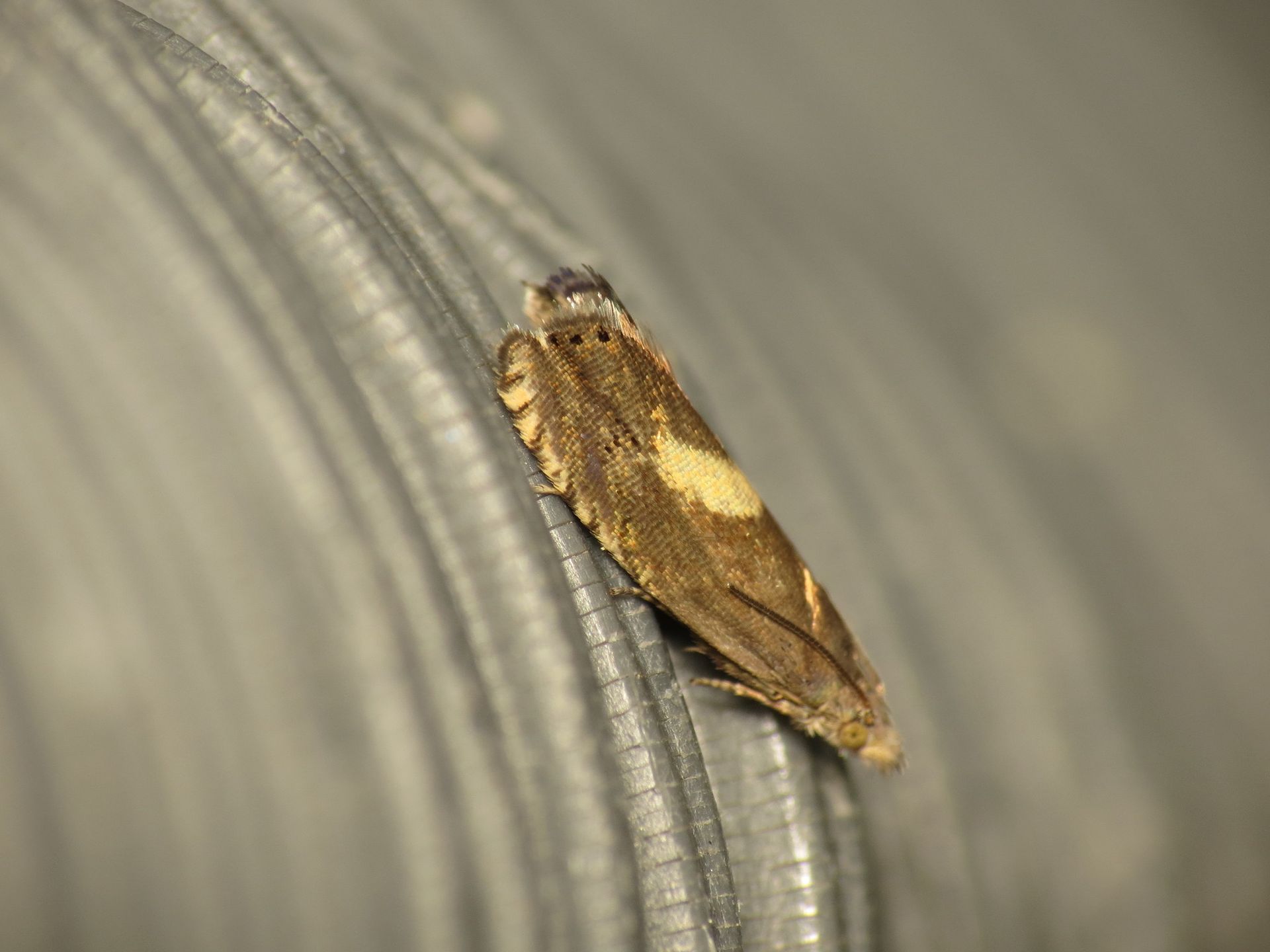
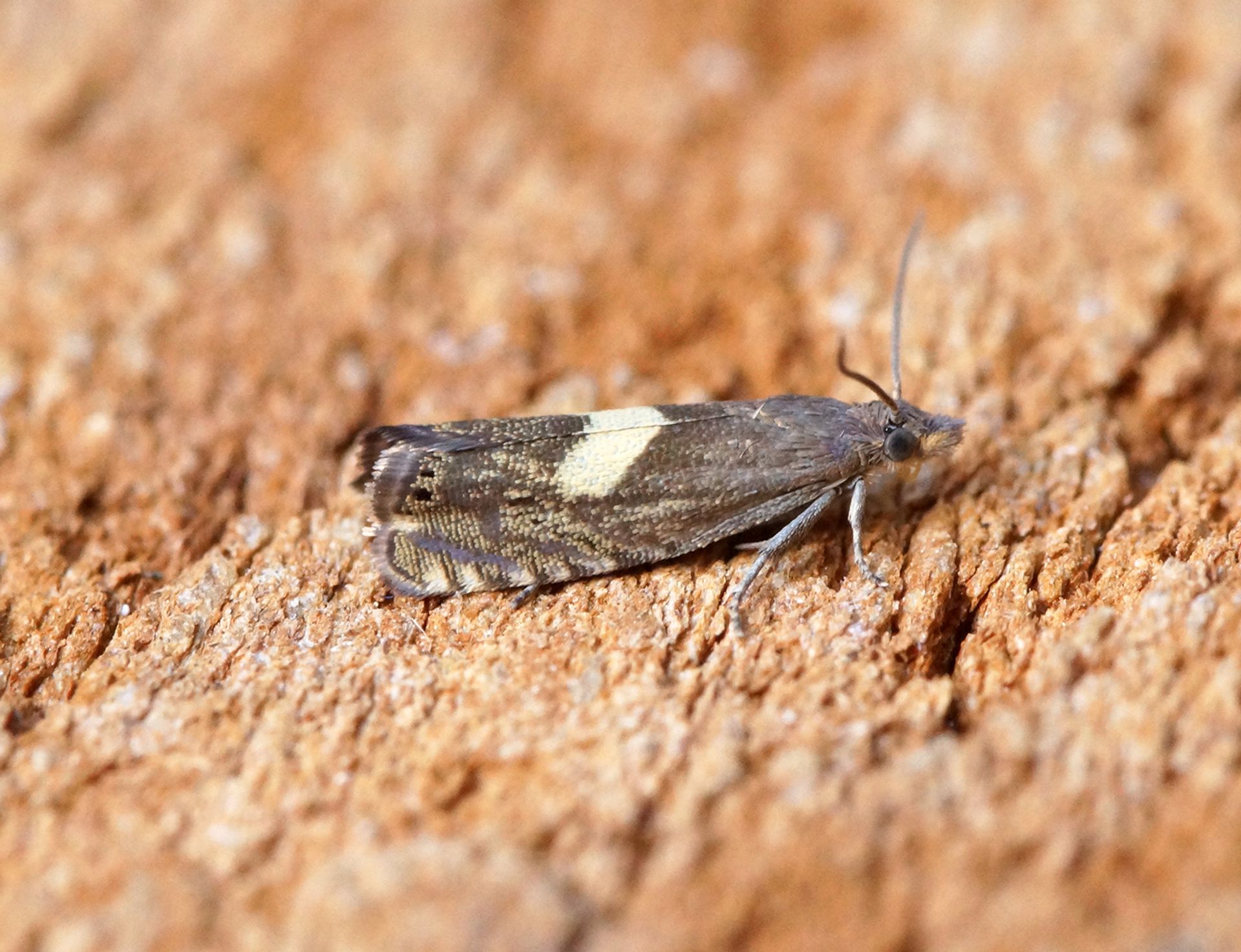
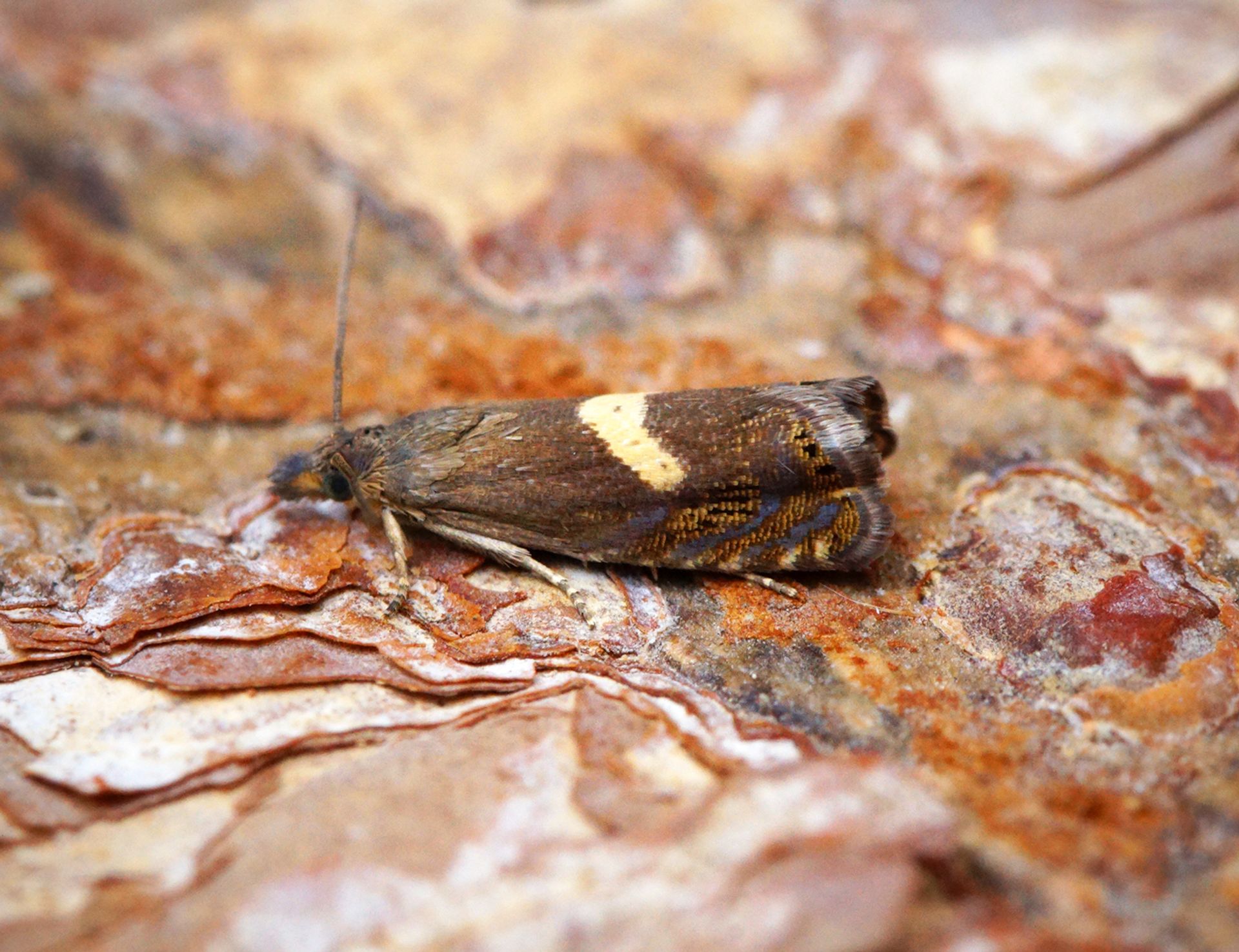
Dichrorampha petiverella is a small tortricid with a wingspan of 10–13 mm, distributed across the . are active from April to August in western Europe, with larvae feeding internally on the rhizomes of yarrow (Achillea millefolium) and tansy. The was first described by Linnaeus in 1758 and remains one of the more frequently recorded members of its due to its relatively broad plant associations.
Pronunciation
How to pronounce Dichrorampha petiverella: /dɪˌkrɔːræmfə ˌpɛtɪvərˈɛlə/
These audio files are automatically generated. While they are not always 100% accurate, they are a good starting point.
Identification
Distinguished from by the combination of: sharply defined whitish-yellowish curved transverse blotch (rather than diffuse or absent); two dark leaden-metallic oblique streaks from the ; presence of three to four black dots on the termen; and whitish subapical dash. The dark fuscous forewings with pale orange-ochreous posterior irroration and whitish costal strigulation provide additional diagnostic characters. Genitalia examination may be required for definitive separation from similar Dichrorampha .
Images
Habitat
Associated with open, dry to moderately moist where plants (Achillea millefolium, Tanacetum vulgare) occur, including grasslands, meadows, road verges, and disturbed ground. The larval stage occurs within the rhizomes of host plants, requiring well-drained soils suitable for yarrow and tansy root development.
Distribution
Palearctic distribution, recorded across Europe including Belgium (all regions: Brussels-Capital, Flemish, Walloon, Antwerpen province), with broader presence throughout western, central, and northern Europe. The exact eastern limits in Asia remain poorly documented.
Seasonality
period April to August in Belgium and the Netherlands; exact timing varies across the range. The extended flight season suggests either partial multivoltinism or prolonged from larvae. Note: flight season data primarily derived from western European and may differ in other parts of the range.
Diet
Larvae feed internally on rhizomes of Achillea millefolium (yarrow) and Tanacetum vulgare (tansy). do not feed; they rely on larval energy reserves.
Host Associations
- Achillea millefolium - larval larvae feed internally on rhizomes
- Tanacetum vulgare - larval larvae feed internally on rhizomes
Life Cycle
Larva develops within the rhizome of plants (Achillea millefolium, Tanacetum vulgare), feeding internally. occurs within the rhizome or surrounding soil. emerge in spring and summer. likely occurs as larva within host rhizomes, though precise overwintering stage requires confirmation.
Behavior
are active during daylight hours and are attracted to light. Larvae are endophagous, feeding concealed within plant rhizomes. No other have been documented.
Ecological Role
As a rhizome-feeding herbivore, larvae may influence plant vigor and , though specific ecological impacts have not been quantified. The contributes to tortricid diversity in grassland and meadow .
Human Relevance
No significant economic importance. Occasionally encountered by lepidopterists and naturalists. The serves as an indicator of grassland quality where yarrow and tansy persist.
Similar Taxa
- Dichrorampha alpestranaSimilar size and general wing pattern, but lacks the sharply defined whitish-yellowish curved blotch and leaden-metallic costal streaks characteristic of D. petiverella; alpine distribution with different
- Dichrorampha montananaHistorically confused with D. alpestrana; distinguished from D. petiverella by wing pattern details and genitalia structure; montane preference
- Dichrorampha velataSimilar member with olive-brown forewings and silvery lines, but larger (up to 16 mm wingspan), , and restricted to alpine meadows; lacks the dark fuscous ground color and orange-ochreous irroration of D. petiverella
More Details
Nomenclatural history
Originally described by Linnaeus in 1758 as Phalaena petiverella, later transferred to Dichrorampha. The specific epithet honors James Petiver (c. 1665–1718), an English apothecary and naturalist known for his extensive insect collections.
Flight season variability
The April–August period cited in primary sources refers specifically to Belgium and the Netherlands. in other parts of the Palearctic range likely exhibit different phenologies correlated with local climate and latitude.