
Dichrorampha incanana
(Clemens, 1860)
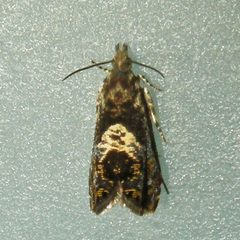
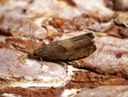
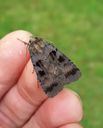
Dichrorampha incanana is a small tortricid first described by Clemens in 1860. Originally placed in the Halonota, it was later transferred to Dichrorampha. The species belongs to the Olethreutinae and tribe Grapholitini. Very little published information exists on its , , or distribution beyond taxonomic records.
Pronunciation
How to pronounce Dichrorampha incanana: /ˌdaɪkroʊˈræmfə ɪnˈkænənə/
These audio files are automatically generated. While they are not always 100% accurate, they are a good starting point.
Identification
As a member of the Dichrorampha, D. incanana can be distinguished from other tortricid genera by genital and wing pattern characteristics typical of the genus. Within Dichrorampha, -level identification requires examination of genitalia structure and detailed wing pattern analysis. The species was originally described from North America, and accurate identification depends on comparison with and reference collections.
Images
Distribution
The was originally described from North America. Specific locality data from the original description and subsequent records are sparse in the available literature.
Similar Taxa
- Dichrorampha velataAnother recently described Dichrorampha from the Alps; D. incanana differs in geographic origin (North America vs. Europe) and likely in genital and wing pattern, though direct comparison has not been published
- Dichrorampha alpestranaA European alpine that was historically confused with D. montanana; D. incanana is distinguished by its North American distribution and original description under Halonota
- Other Dichrorampha speciesThe contains multiple similar small tortricid moths, many requiring dissection for reliable identification; D. incanana is distinguished by its specific genitalia configuration and original Clemens description
More Details
Taxonomic History
The was originally described as Halonota incanana by Clemens in 1860, and later transferred to the Dichrorampha. The basionym Halonota incanana reflects its original placement in a now synonymized or revised genus.
Data Deficiency
Despite being described over 160 years ago, Dichrorampha incanana remains poorly known in the literature. The original description by Clemens predates modern taxonomic standards, and subsequent studies focusing on this specific appear limited. Available sources provide only basic taxonomic information without ecological or biological details.
Sources and further reading
- BugGuide
- GBIF taxonomy match
- iNaturalist taxon
- NCBI Taxonomy
- Catalogue of Life
- New alpine moth solves a 180-year-old mystery | Blog
- Alpine Entomology | Blog - Part 2
- moth | Blog
- new species | Blog - Part 16
- New Host and Distributional Record forDichrorampha incanana(Clemens, 1860) (Tortricidae: Olethreutinae)