Eucosma striatana
(Clemens, 1860)
Striated Eucosma Moth
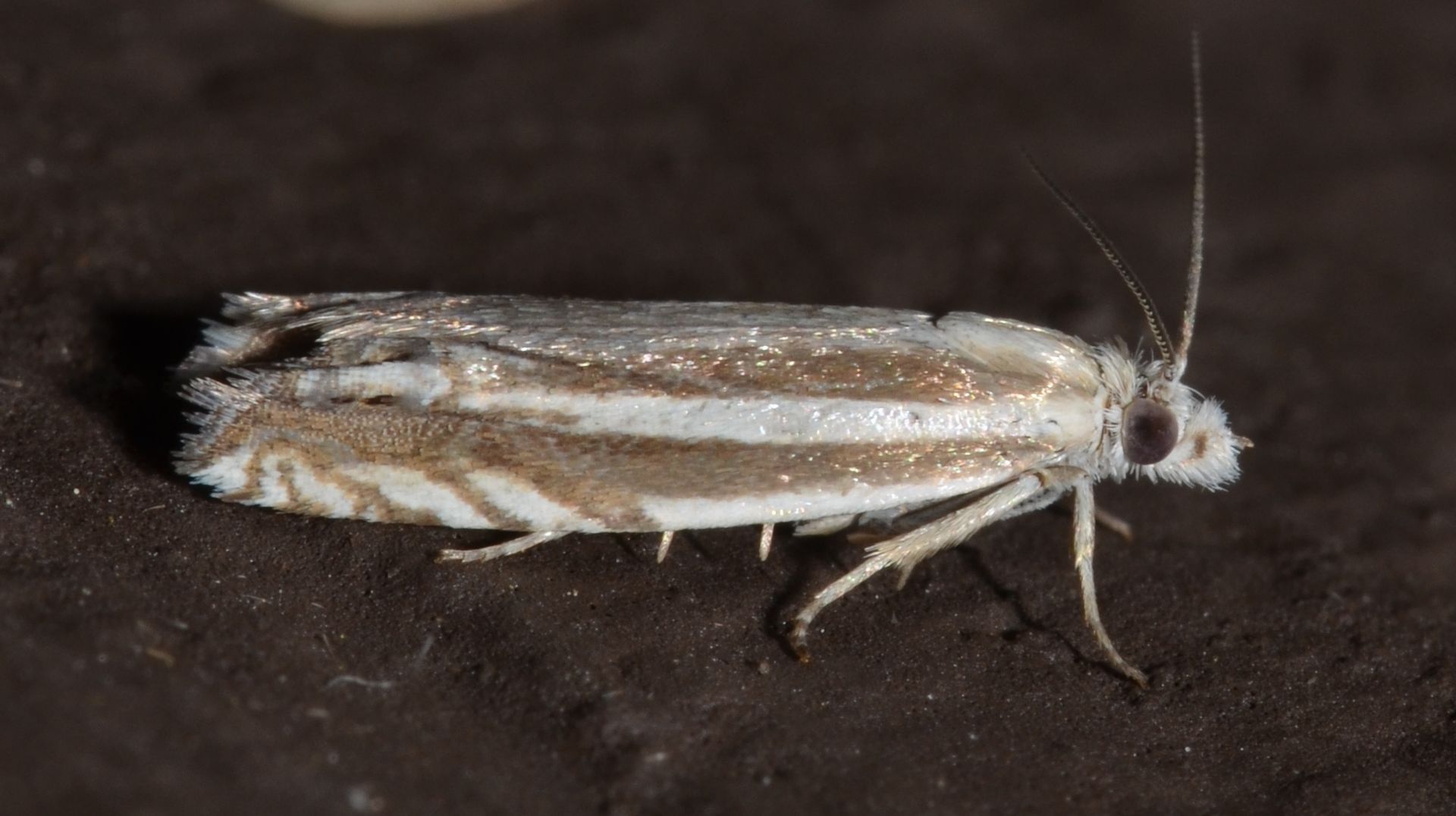
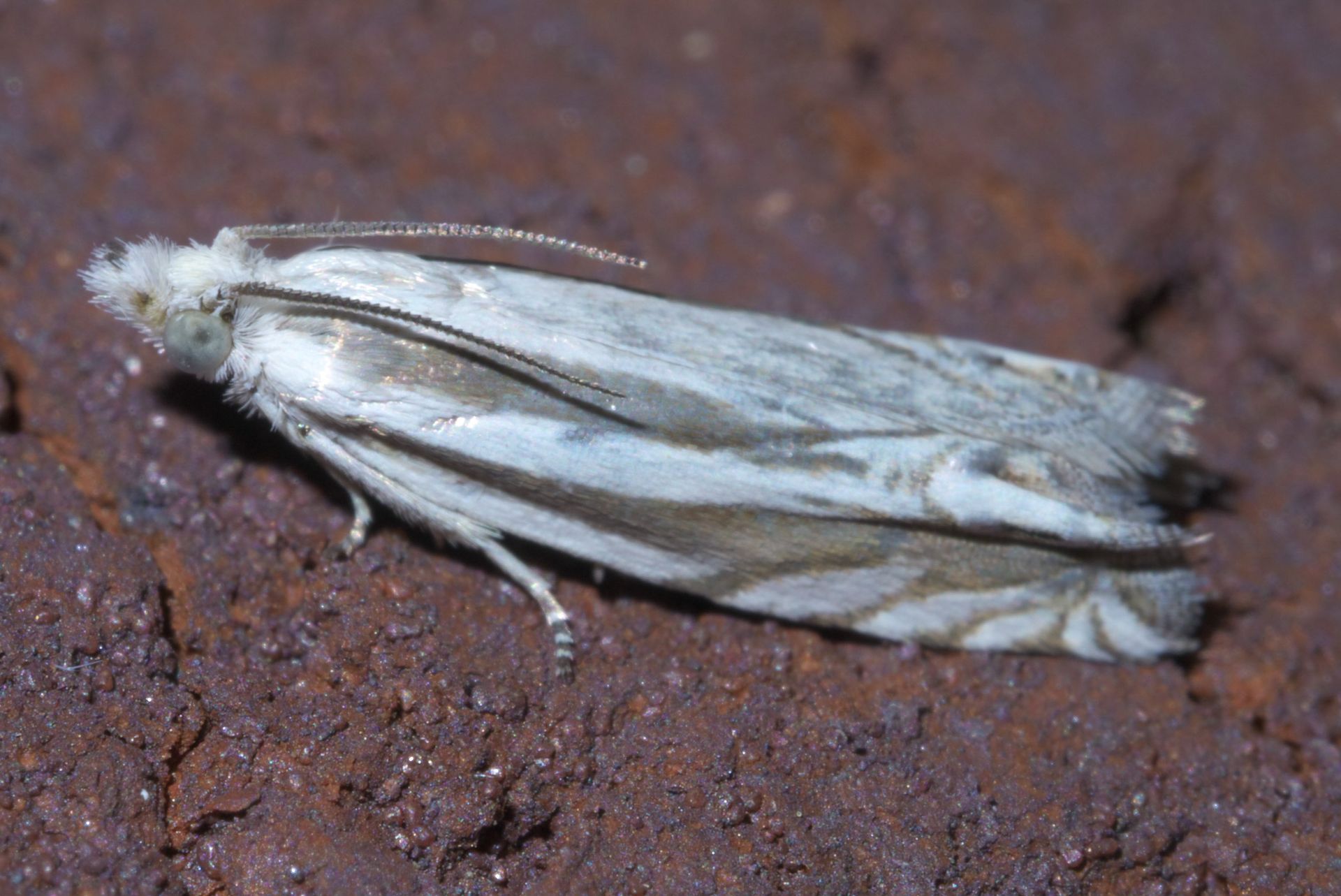
Eucosma striatana is a small tortricid in the tribe Eucosmini. The was described from North America by Clemens in 1860, originally placed in the Anchylopera. It is part of a within Eucosma that is challenging to distinguish morphologically. The refers to the striated or lined appearance of the forewings.
Pronunciation
How to pronounce Eucosma striatana: /juːˈkɒzmə straɪəˈtɑːnə/
These audio files are automatically generated. While they are not always 100% accurate, they are a good starting point.
Identification
Distinguished from similar Eucosma by the striated forewing pattern, though this character alone may be insufficient for definitive identification. Separation from such as Eucosma bobana and Eucosma fernaldana typically requires dissection and examination of male genitalia, particularly the shape of the uncus and valvae. The specific epithet 'striatana' refers to the lined or streaked wing pattern.
Images
Appearance
are small with forewings marked by fine longitudinal striations or lines, giving a streaked appearance. The ground color is generally pale with darker longitudinal streaking. As with many Eucosma , precise identification often requires examination of genitalia characters.
Distribution
Recorded from Vermont and other parts of the United States. The full range is poorly documented due to identification challenges and historical taxonomic confusion within the .
Similar Taxa
- Eucosma bobanaOverlapping range and similar size; distinguished by male genitalia structure
- Eucosma fernaldanaSimilar forewing pattern; requires genitalia examination for reliable separation
- Eucosma ochroterminanaPale coloration may cause confusion; differs in wing pattern details
More Details
Taxonomic History
Originally described as Anchylopera striatana by Clemens in 1860, later transferred to Eucosma. The basionym Anchylopera striatana is no longer in use.
Identification Challenges
The Eucosma striatana group contains multiple morphologically similar species that are difficult to separate based on external characters alone. Accurate identification often requires reference to original descriptions and genitalia dissection.