
Epinotia pulsatillana
(Dyar, 1903)
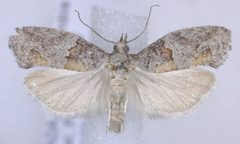
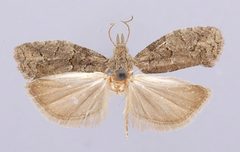
Epinotia pulsatillana is a of tortricid in the Tortricidae, Olethreutinae, tribe Eucosmini. First described by Dyar in 1903 as Eucosma pulsatillana, it was later transferred to the Epinotia. Like other members of this large genus, it is a small moth with larvae that are likely associated with specific plants. The species is known from North America, though detailed biological information remains limited in published literature.

Pronunciation
How to pronounce Epinotia pulsatillana: /ˌɛpɪˈnoʊʃə pʌlˌsætɪˈlænə/
These audio files are automatically generated. While they are not always 100% accurate, they are a good starting point.
Identification
Epinotia pulsatillana can be distinguished from other Epinotia by genitalia examination; male genitalia feature a specific configuration of the valva and typical of the , while female genitalia show characteristic signum and ductus bursae . Externally, it resembles other small, grayish-brown tortricids with indistinct forewing markings, requiring dissection or molecular confirmation for reliable identification. It may be separated from the similar E. aporema by differences in genital structure and geographic distribution.
Images
Distribution
Known from North America; specific range details require verification from primary literature. Records suggest occurrence in regions where the plant Pulsatilla (pasqueflower) or related Ranunculaceae may be found, though this association requires confirmation.
Host Associations
- Pulsatilla - probable larval Specific epithet suggests association with Pulsatilla (Ranunculaceae), though this requires verification
Similar Taxa
- Epinotia aporemaSimilar external appearance and historically confused in literature; distinguished by genitalia and geographic range (E. aporema more common in South America)
- Other Epinotia speciesNumerous congeneric share grayish-brown forewing coloration and require genital dissection for definitive identification
More Details
Nomenclatural history
Originally described in the Eucosma by Dyar (1903), this was later transferred to Epinotia based on genitalia and phylogenetic relationships within the Eucosmini.
Research context
Epinotia pulsatillana was mentioned in research on geographic variation in susceptibility of Epinotia aporema to Bacillus thuringiensis toxin Cry1Ac in Argentina, suggesting potential taxonomic confusion or sympatric occurrence with related in agricultural research contexts.