
Xylesthia
Clemens, 1859
Species Guides
3- Xylesthia albicans
- Xylesthia
- Xylesthia pruniramiella(Clemens' Bark Moth)
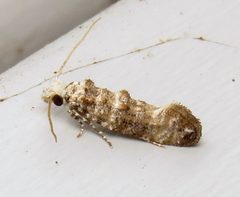
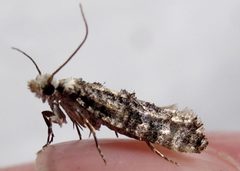
Xylesthia is a of small in the Tineidae, established by Clemens in 1859. The genus contains at least four described distributed in North America. Tineidae moths are commonly known as clothes moths or fungus moths, though the specific habits of Xylesthia species remain poorly documented in published literature.

Pronunciation
How to pronounce Xylesthia: //zaɪˈlɛs.θi.ə//
These audio files are automatically generated. While they are not always 100% accurate, they are a good starting point.
Identification
Xylesthia can be recognized by their placement in Tineidae, characterized by narrow wings often held roof-like over the body at rest, and frequently reduced or absent maxillary palps. The may be distinguished from related tineid genera by genitalic characters and wing pattern elements, though specific diagnostic features require examination. Xylesthia pruniramiella, the type species, has been associated with Prunus (plum/cherry) , which may provide a clue to identification.
Images
Distribution
North America; records include the United States, specifically Vermont.
Host Associations
- Prunus - Xylesthia pruniramiella specific epithet suggests association with Prunus rami (plum/cherry branches)
Similar Taxa
More Details
Taxonomic note
The name Xylesthia is derived from Greek roots suggesting wood/forest association (xyle-), though the ecological significance of this etymology is unclear. The type Xylesthia pruniramiella was described from larvae found on plum branches, but comprehensive studies are lacking for most species.