
Acrolophus texanella
(Chambers, 1878)
Texas Grass Tubeworm Moth, Grass Tubeworm
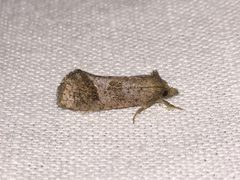
Acrolophus texanella, commonly known as the Texas Grass Tubeworm Moth, is a small in the Acrolophidae. The species was formerly classified in the family Tineidae but has been reassigned to Acrolophidae based on revised taxonomic understanding. Like other members of its , it is known as a "grass tube moth" due to the larval habit of spinning silken tubes at the base of grasses. The species is found across the eastern and southern United States, from Maryland to Florida and west to Texas.
Pronunciation
How to pronounce Acrolophus texanella: //ˌækrəˈloʊfəs ˌtɛksəˈnɛlə//
These audio files are automatically generated. While they are not always 100% accurate, they are a good starting point.
Identification
Members of the Acrolophus are recognized as "grass tube moths" or "grass tubeworm moths." Specific identification of A. texanella likely requires examination of genitalia or other microscopic features, as many Acrolophus are similar in external appearance. The Acrolophidae can be distinguished from related families such as Tineidae by subtle morphological characters.
Images
Habitat
Associated with grassland and prairie where larval grasses occur. have been observed at blacklight setups in suburban and residential settings.
Distribution
Found from Maryland to Florida and west to Texas. Observations recorded on iNaturalist indicate presence across the eastern and central United States.
Seasonality
have been recorded during National Week events in late July, suggesting summer period. Specific details require further documentation.
Diet
Larvae feed on grasses, spinning silken tubes at the base of grass stems or roots for concealment while feeding. Specific grass for A. texanella are not well documented.
Life Cycle
Complete with , larval, pupal, and stages. Larvae construct silken tubes at the base of grasses or grass roots. presumably occurs within or near these tubes, though specific details for this are not documented.
Behavior
are and attracted to ultraviolet light sources. Larvae are concealed feeders, remaining within silken tubes during feeding.
Ecological Role
Larvae function as herbivores in grassland , consuming living grass tissue. Their role in nutrient cycling and as prey for other organisms has not been quantified.
Human Relevance
Not known to be of significant economic importance. are occasionally encountered by enthusiasts during blacklighting events. The serves as an example of taxonomic revision, having been transferred from Tineidae to Acrolophidae.
Similar Taxa
- Acrolophus popeanellaAnother grass tubeworm moth in the same with similar and appearance; distinguished by specific morphological features and geographic range
- Tineidae (clothes moths)Formerly classified in this ; Acrolophidae can be distinguished by family-level morphological characters, though external resemblance may cause confusion