
Dysodia oculatana
Clemens, 1860
Eyed Dysodia Moth
Dysodia oculatana, commonly known as the Eyed Dysodia , is a of window-winged moth in the Thyrididae. Members of this are , larger and heavier-bodied than the related genus Thyris. The family is characterized by distinctive square or rectangular translucent spots in the wings. At least four species of Dysodia occur in the United States.
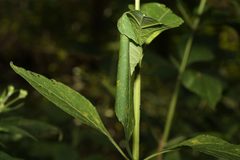
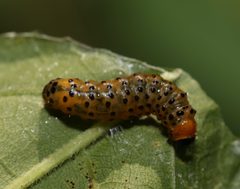
Pronunciation
How to pronounce Dysodia oculatana: /dɪˈsoʊdiə ˌɒkjʊˈlætənə/
These audio files are automatically generated. While they are not always 100% accurate, they are a good starting point.
Identification
Distinguished from the related Thyris by being rather than , and by a larger, heavier body. The translucent wing spots characteristic of Thyrididae are present. Specific characters separating D. oculatana from other Dysodia are not documented in available sources.
Images
Appearance
Larger and heavier-bodied than related in Thyrididae. Wings possess square or rectangular translucent spots, a -defining trait. The specific epithet 'oculatana' suggests prominent -like markings. Wingspan and coloration details for this are not documented in available sources.
Habitat
Observations from southern Arizona and the Lower Rio Grande Valley in southern Texas suggest association with arid and semi-arid regions. Specific requirements for this are not documented.
Distribution
Documented from southern Arizona and southern Texas (Lower Rio Grande Valley). The broader distribution within North America is not established in available sources.
Seasonality
activity period is not specifically documented for this . Observations have been made from lighted traps, but seasonal timing is not reported.
Life Cycle
Larval presumably similar to other Dysodia: caterpillars roll leaves of plants with silk, forming shelter and feeding site. Specific host plants and developmental details for D. oculatana are not documented.
Behavior
; attracted to artificial light sources. This contrasts with the of the related Thyris.
Human Relevance
Attracted to lights, making it observable by enthusiasts. No documented economic or agricultural significance.
Similar Taxa
- Thyris maculataBoth in Thyrididae with translucent wing spots, but Thyris is , smaller, and more slender-bodied; Dysodia is and heavier-bodied
- Other Dysodia speciesAt least four Dysodia occur in the U.S.; specific distinguishing characters for D. oculatana are not documented in available sources
More Details
Taxonomic note
The 'Eyed Dysodia ' is established on iNaturalist, though the origin of this name is not documented in the provided sources
Research status
The in the Dysodia are noted as understudied; the south Texas may represent an undescribed species, indicating ongoing taxonomic uncertainty in this group