Dioryctria disclusa
Heinrich, 1953
rusty pine cone moth, webbing coneworm
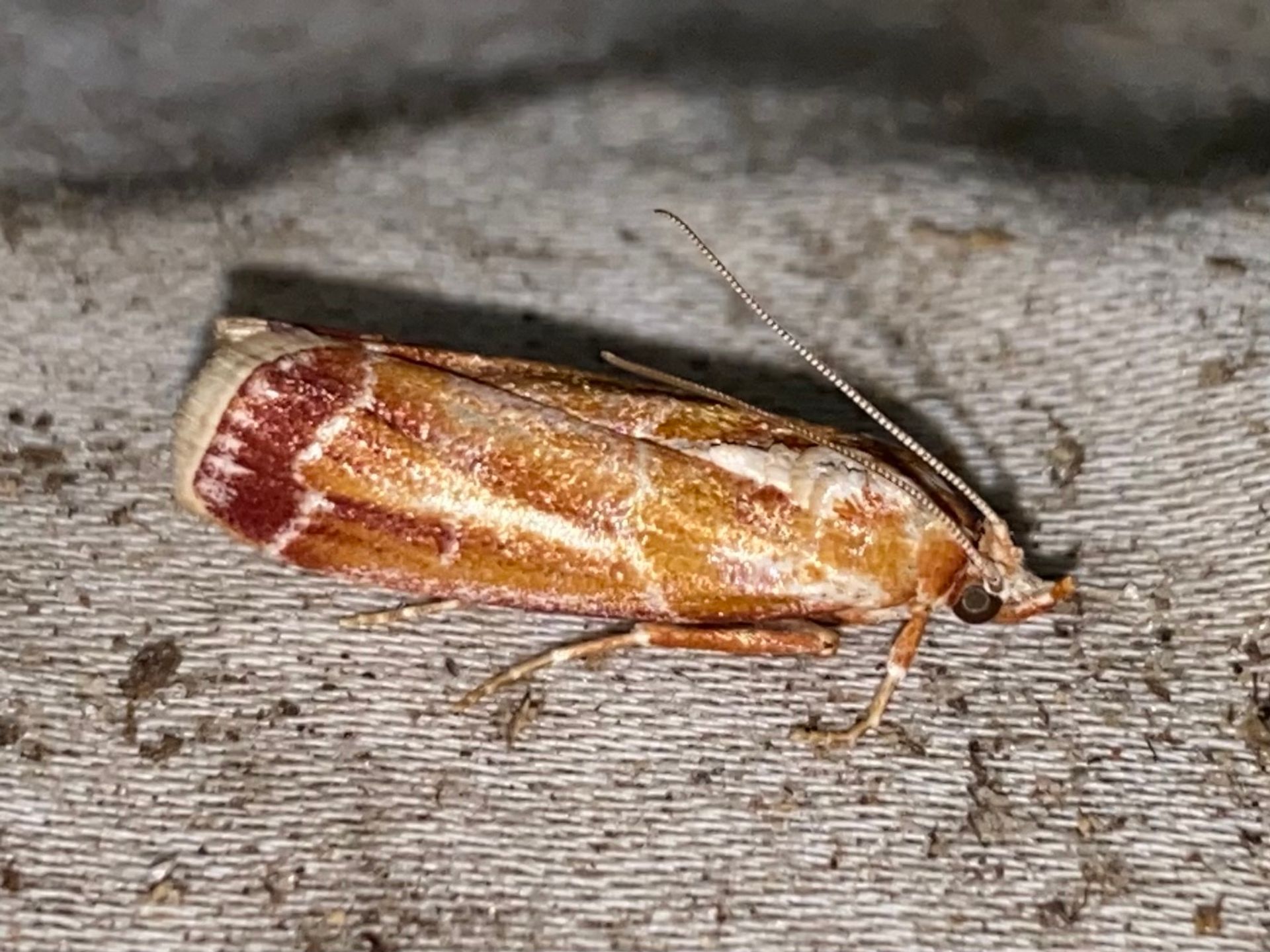
Dioryctria disclusa is a small conifer-feeding in the Pyralidae, commonly known as the rusty pine cone moth or webbing coneworm. The occurs across eastern and central North America, with larvae that feed on loblolly pine cones. have a wingspan of approximately 24 mm. The species is part of a whose members are significant pests of pine trees, with some related species targeted for research.
Pronunciation
How to pronounce Dioryctria disclusa: /ˌdaɪ.əˈrɪk.tri.ə dɪsˈkluː.sə/
These audio files are automatically generated. While they are not always 100% accurate, they are a good starting point.
Identification
are small with a wingspan of about 24 mm. The can be recognized as a member of the Dioryctria by its association with conifer and overall typical of pyralid coneworm moths. Specific identification to species level requires examination of genitalic characters or other subtle morphological features not readily visible in field observations. The genus Dioryctria contains approximately 40 species north of Mexico, with 25 occurring in western North America; distinguishing individual species often requires knowledge.
Images
Distribution
Eastern and central North America, ranging from New Brunswick to Florida, west to Texas, and north to Manitoba. Distribution records also include Vermont.
Diet
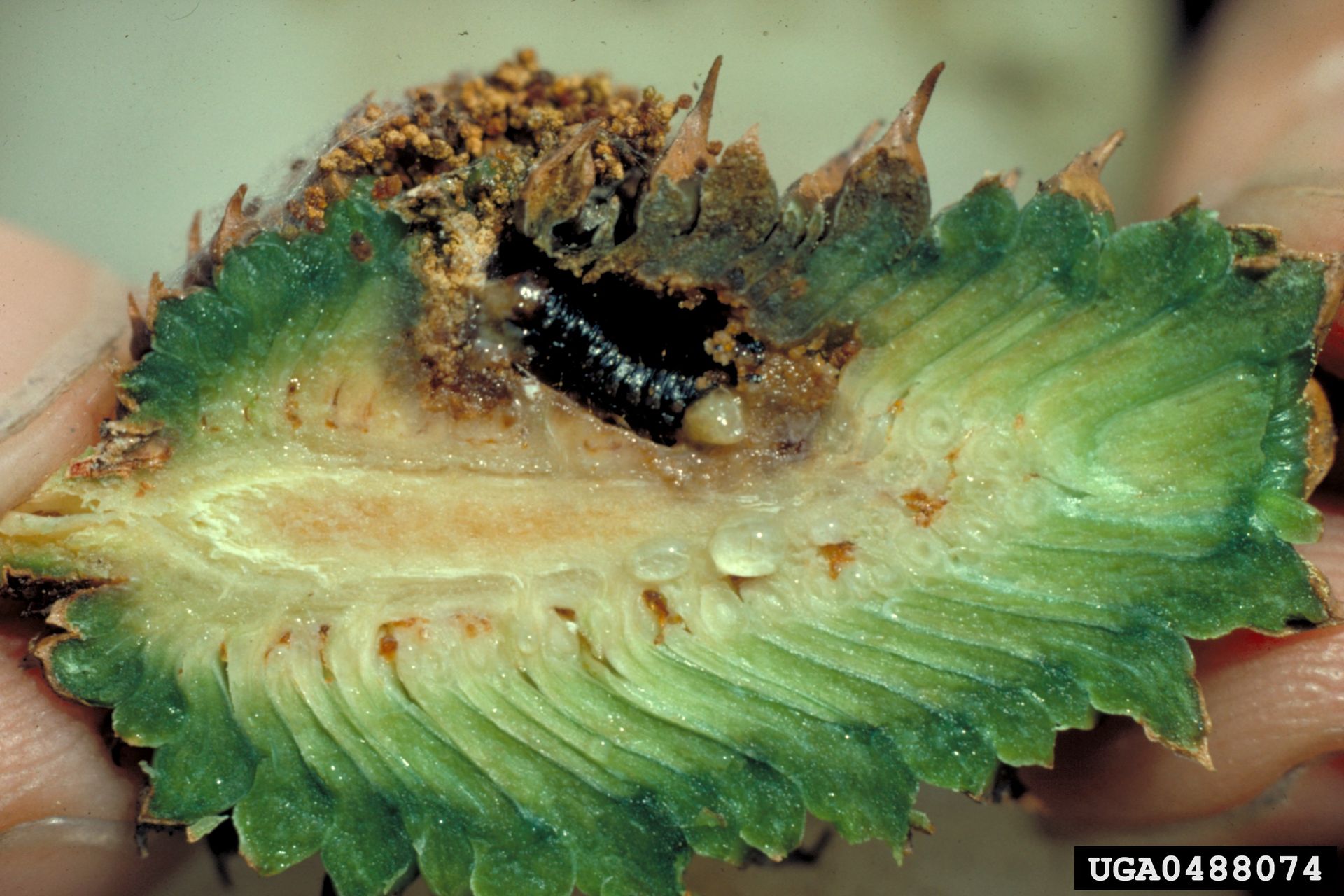
Larvae feed on loblolly pine (Pinus taeda), specifically within cones.
Host Associations
- Pinus taeda - larval food plantloblolly pine cones
Human Relevance
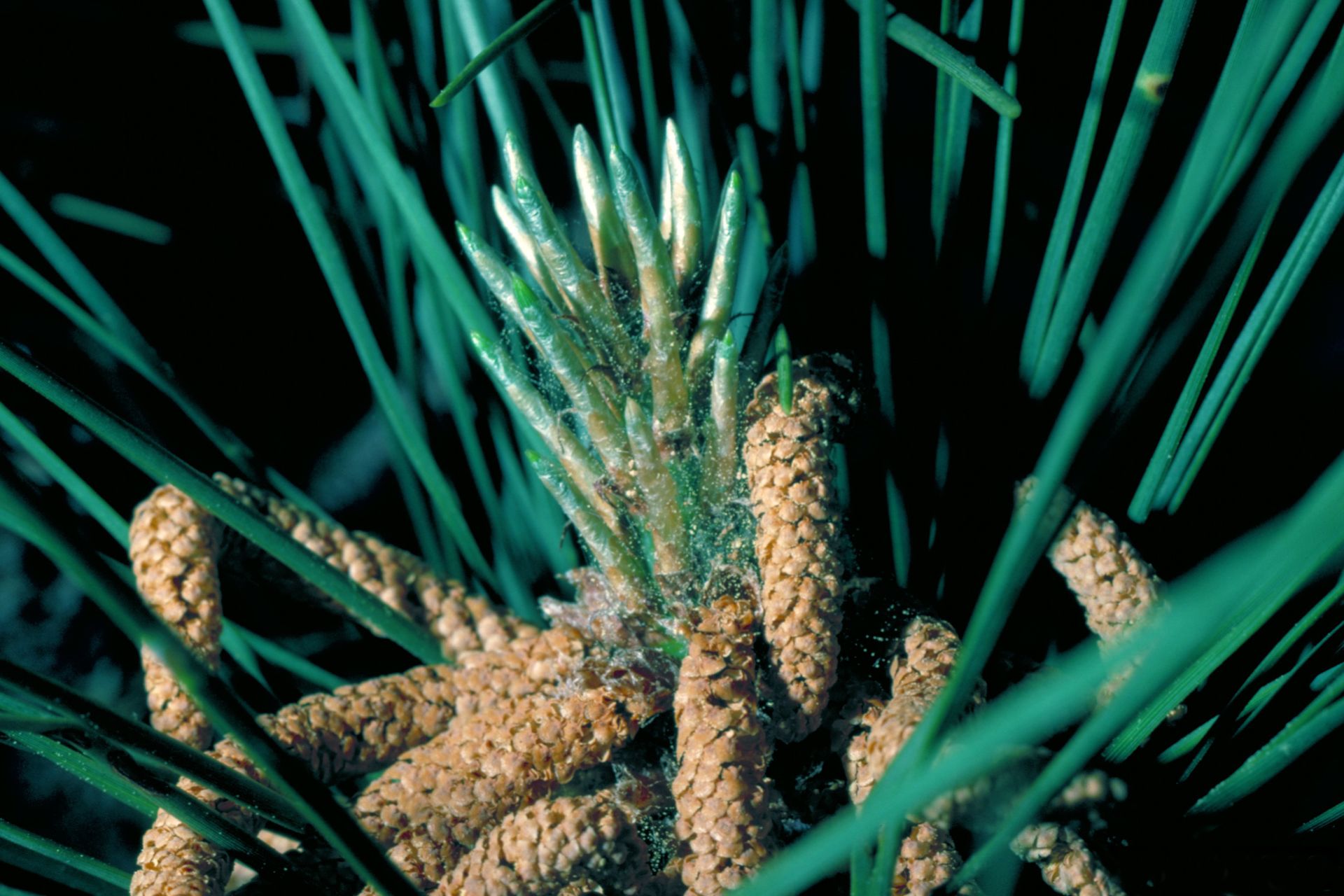
Larvae feed on loblolly pine cones, which may impact pine seed production. Related in the Dioryctria are considered serious pests of pine trees in managed forests, though the specific economic impact of D. disclusa is not well documented. The genus has been the focus of research, including the discovery of that target Dioryctria larvae.
Similar Taxa
- Dioryctria auranticellaAnother conifer-feeding Dioryctria ; larvae feed in pine cones and occasionally twigs, but distinguished by geographic range and preferences
- Dioryctria abietellaRelated coneworm ; larvae are pests of pine trees, but occurs in different geographic regions including China
- Dioryctria pryeriRelated with similar cone-feeding larval ; distinguished by distribution and specific associations
Sources and further reading
- BugGuide
- Wikipedia
- GBIF taxonomy match
- iNaturalist taxon
- NCBI Taxonomy
- Catalogue of Life
- Baryscapus dioryctriae Archives - Entomology Today
- Baryscapus dioryctriae - Entomology Today
- Bug Eric: New Mexico Night Bugs
- Bug Eric: My Personal National Moth Week, 2017
- Bug Eric: September 2017
- New Wasp Species Discovered Parasitizing Pests of Pine Trees