
Acrobasis juglandis
Le Baron, 1872
Pecan Leaf Casebearer, Pecan Leaf Casebearer Moth
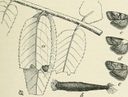
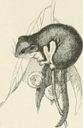
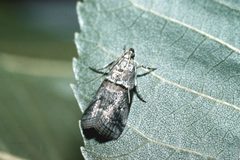
Acrobasis juglandis is a small pyralid commonly known as the pecan leaf casebearer. The is a significant pest of pecan and walnut trees, with larvae feeding on foliage and nutlets of plants in the Carya and Juglans. Its derives from the larval habit of constructing protective cases from leaf material. The species is native to North America and has been documented from Ontario south to Florida and west to New Mexico.
Pronunciation
How to pronounce Acrobasis juglandis: //ˌækrəˈbeɪsɪs dʒuˈɡlændɪs//
These audio files are automatically generated. While they are not always 100% accurate, they are a good starting point.
Identification
Distinguished from related Acrobasis by association with pecan and walnut and by the larval of case-building on leaves. may require dissection or molecular analysis for definitive separation from congeneric species. The ridge of dark across the forewings mentioned for the related pecan nut casebearer (A. nuxvorella) should not be assumed for this species without verification.
Images
Habitat
Associated with deciduous hardwood forests and commercial orchards where trees in the walnut (Juglandaceae) occur. Larvae occur on foliage of host trees in the .
Distribution
North America: Ontario, Canada; United States from Vermont south to Florida, and from North Dakota west to New Mexico.
Diet
Larva feeds on Carya illinoinensis (pecan), Juglans nigra (black walnut), Juglans cinerea (butternut), and Juglans microcarpa (little walnut).
Host Associations
- Carya illinoinensis - larval food plantPecan; primary economic
- Juglans nigra - larval food plantBlack walnut
- Juglans cinerea - larval food plantButternut
- Juglans microcarpa - larval food plantLittle walnut
Life Cycle
Complete with , larva, pupa, and stages. Larvae feed on foliage and construct protective cases from leaf material. stage not confirmed from available sources.
Behavior
Larvae are case-bearers, constructing portable shelters from leaf tissue that they carry while feeding. This provides protection from and environmental conditions.
Ecological Role
Herbivore and foliar pest of walnut trees. Documented as a for the Calliephialtes grapholithae (Ichneumonidae), which attacks concealed caterpillars.
Human Relevance
Agricultural pest of pecan orchards and walnut plantings. Larval feeding can reduce tree vigor and nut production. Management may be integrated with monitoring of related casebearer .
Similar Taxa
- Acrobasis nuxvorellaAlso called a 'casebearer' and attacks pecan, but specifically the pecan nut casebearer; distinguished by attacking developing nutlets rather than leaves and by presence of a ridge of dark across the forewings in .
- Acrobasis betulellaRelated casebearer with different associations (Betula, birch). Documented as sharing the same (Calliephialtes grapholithae).
More Details
Parasitoid associations
Documented as a previously recorded for the ichneumonid Calliephialtes grapholithae, a of concealed larvae.
Taxonomic note
described by Le Baron in 1872. The specific epithet 'juglandis' reflects association with walnut (Juglans).
Sources and further reading
- BugGuide
- Wikipedia
- GBIF taxonomy match
- iNaturalist taxon
- Catalogue of Life
- Walnut Twig Beetle: How a 'Failed' Research Project Led to Success | Bug Squad
- UC Davis Students Carry on Legacy of Walnut Twig Beetle Expert Steve Seybold | Bug Squad
- Jackson Audley: A Case Study with the Walnut Twig Beetle | Bug Squad
- Bug Eric: A Potential New Host Record for Calliephialtes grapholithae (Hymenoptera: Ichneumonidae) from a Paper Wasp nest (Hymenoptera: Vespidae: Polistes metricus)
- What lies beneath the wax? A duo of leaf-eating sawflies: Dogwood sawfly, Macremphytus tarsatus, and Butternut woollyworm, Eriocampa juglandis — Bug of the Week
- Pecan Nut Casebearer: New Guide Provides IPM Options