
Milgithea alboplagialis
Dyar, 1905
Milgithea alboplagialis is a small snout moth in the Pyralidae, first described by Harrison G. Dyar in 1905. It is known only from the Huachuca Mountains in southeastern Arizona, where it inhabits montane environments. The is characterized by a relatively modest wingspan of 23–27 mm. Like other members of its , it belongs to the Epipaschiinae, a group of pyralid moths whose larvae are generally associated with dead or decaying plant material.
Pronunciation
How to pronounce Milgithea alboplagialis: /mɪlˈɡɪθiə ælboʊplædʒiˈælɪs/
These audio files are automatically generated. While they are not always 100% accurate, they are a good starting point.
Identification
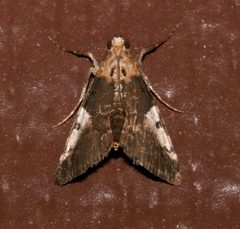
Distinguished from other Milgithea by combination of small size (wingspan 23–27 mm) and geographic restriction to the Huachuca Mountains in Arizona. The specific epithet suggests white wing markings that may separate it from . Accurate identification likely requires examination of genitalia or reference to original description by Dyar (1905).
Images
Appearance
Small with wingspan of 23–27 mm. As a member of Pyralidae, it possesses the characteristic snout-like labial palps that project forward from the . The specific epithet "alboplagialis" suggests white (albo-) markings or patches (plagialis) on the wings, though detailed pattern descriptions are not documented in available sources.
Habitat
Montane environments in the Huachuca Mountains of southeastern Arizona. The Huachuca Mountains are a sky island range with mixed conifer and oak woodlands at higher elevations, grading to desert scrub at lower elevations. Specific microhabitat preferences within this range are not documented.
Distribution
Known only from the Huachuca Mountains in Cochise County, southeastern Arizona, USA. No additional records have been published from other localities.
Seasonality
activity period not documented in available sources.
Human Relevance
No documented economic or ecological significance to humans. Of potential interest to lepidopterists studying the fauna of Arizona's sky island mountain ranges.
Similar Taxa
- Other Milgithea species share similar size range and general ; distinguished by wing pattern, genitalia, and geographic distribution
- Other Epipaschiinae in Pyralidae members share general body plan and larval habits; specific identification requires detailed examination
More Details
Taxonomic history
Described by Harrison G. Dyar in 1905, a prominent American lepidopterist known for describing thousands of . The specific epithet "alboplagialis" derives from Latin: albus (white) + plagium (patch or spot), referring to presumed wing markings.
Conservation status
Not assessed by IUCN or other conservation bodies. Restricted range in a single mountain range may warrant monitoring, though no specific threats have been documented.