
Lineodes
Guenée, 1854
Species Guides
6- Lineodes elcodes
- Lineodes fontella(Eastern Lineodes Moth)
- Lineodes integra(Eggplant Leafroller Moth)
- Lineodes interrupta(Interrupted Lineodes Moth)
- Lineodes triangulalis
- Lineodes vulnifica
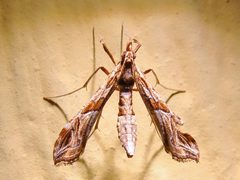
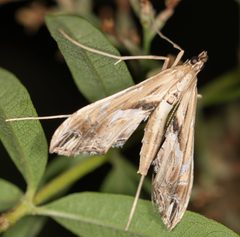
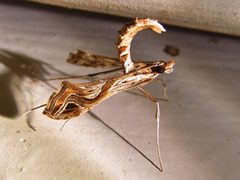
Lineodes is a of snout moths (Crambidae: Spilomelinae) established by Achille Guenée in 1854, with Lineodes hieroglyphalis as the type . The genus comprises approximately 38 species and is predominantly distributed in the Neotropical and southern Nearctic regions, with one exceptional Asian species (Lineodes longipes from Sumatra). These belong to a diverse group of pyraloid moths commonly known as snout moths due to their elongated labial palps.
Pronunciation
How to pronounce Lineodes: //laɪˈniːoʊdiːz//
These audio files are automatically generated. While they are not always 100% accurate, they are a good starting point.
Identification
As a -level entry, specific diagnostic features are not consistently documented across sources. Members of Spilomelinae can often be recognized by their relatively broad wings, slender bodies, and the presence of elongated labial palps that project forward like a 'snout.' -level identification within Lineodes requires examination of genitalia and wing pattern details not generalized here.
Images
Distribution
Primarily Neotropical and southern Nearctic; one (Lineodes longipes) recorded from Sumatra, Indonesia.
Similar Taxa
- Other Spilomelinae generaSimilar wing shape and body plan; distinguished by genitalic and pattern characters requiring examination.
- Other Crambidae generaShared characteristics including elongated labial palps; placement requires dissection or molecular analysis.
More Details
Type species
Lineodes hieroglyphalis Guenée, 1854
Species diversity
Currently comprises approximately 38 described , though this number may change with taxonomic revision.