
Lamprosema
Hübner, 1823
Species Guides
4- Lamprosema baracoalis
- Lamprosema canacealis
- Lamprosema sinaloanensis
- Lamprosema victoriae(Victorian Lamplighter Moth)
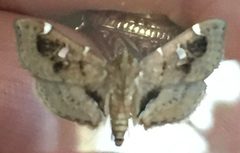
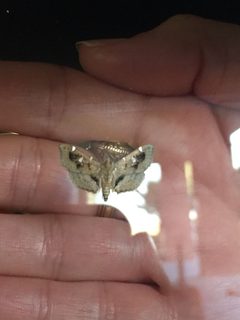
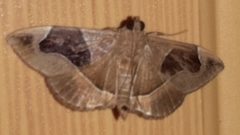
Lamprosema is a of in the Crambidae, Spilomelinae, described by Jacob Hübner in 1823. The genus contains approximately 80 described distributed across tropical and subtropical regions of Asia, Africa, the Americas, and the Pacific Islands. Several species are documented as agricultural pests, particularly on leguminous crops. The genus has been subject to taxonomic revision, with some species transferred to other genera over time.
Pronunciation
How to pronounce Lamprosema: /læmˈprəʊsɛmə/
These audio files are automatically generated. While they are not always 100% accurate, they are a good starting point.
Images
Habitat
Agricultural fields, particularly soybean plantations; tropical and subtropical forest . Specific preferences vary by .
Distribution
Pantropical and subtropical distribution including: Asia (India, China, Southeast Asia, Taiwan, Indonesia, Philippines), Africa (including Madagascar), Australia and Pacific Islands (Fiji, Samoa, Solomon Islands, New Caledonia, Papua New Guinea), and the Americas (Central America, Caribbean, South America). Some have more restricted ranges.
Host Associations
- Glycine max - food plantLamprosema indicata documented as pest of edamame soybean
- Vigna - food plantLamprosema diemenalis associated with this legume
- Cajanus - food plantLamprosema diemenalis associated with this legume
- Derris - food plantLamprosema diemenalis associated with this
- Braconidae - Larval of Lamprosema indicata documented in Indonesia
- Beauveria bassiana - fungus causing mortality in Lamprosema lateritialis larvae in Ghana
Ecological Role
Herbivores on leguminous plants; serve as for and fungi. Some function as forest pests or agricultural pests in crop systems.
Human Relevance
Several are documented as agricultural pests, particularly on soybean (Glycine max) and other legume crops. Lamprosema lateritialis has been identified as a major forest pest in Ghana. The is studied for potential using fungi.
Similar Taxa
- MarucaAlso legume-feeding crambid ; some historically confused with or transferred between these
- OmiodesSimilar Spilomelinae with overlapping plant associations on legumes
More Details
Taxonomic History
The has undergone significant taxonomic revision. Some originally described in Lamprosema have been transferred to other genera (e.g., Lamprosema charesalis and Lamprosema immundalis listed as former species). The genus was historically placed in Pyralidae before modern classification moved it to Crambidae.
Species Diversity
The contains approximately 80 described based on available literature, with the type species being Lamprosema lunulalis Hübner, 1823. New species continue to be described, particularly from Madagascar and Southeast Asia.
Sources and further reading
- BugGuide
- Wikipedia
- GBIF taxonomy match
- iNaturalist taxon
- NCBI Taxonomy
- Catalogue of Life
- Lamprosema diemenalis . [Distribution map].
- Population of Lamprosema indicata and Their Parasitoid in Edamame Soybean Plant
- Histopathological observations on Beauveria bassiana in larvae of Lamprosema lateritialis (Lepid., Pyralidae)