
Loxomorpha flavidissimalis
(Grote, 1878)
Cactus Webworm
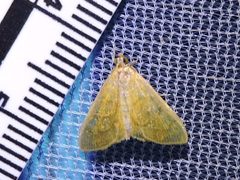
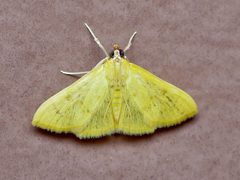
Loxomorpha flavidissimalis, commonly known as the Cactus Webworm, is a in the Crambidae. First described by Grote in 1878, it is distributed across the southern United States, Mexico, Puerto Rico, and has been introduced to Australia. The species is notable for its specialized association with Opuntia cacti, with larvae feeding internally on tissues. It has potential economic significance as a pest of cultivated cactus crops.
Pronunciation
How to pronounce Loxomorpha flavidissimalis: /lɒksəˈmɔːrfə flævɪˈdɪsɪməlɪs/
These audio files are automatically generated. While they are not always 100% accurate, they are a good starting point.
Identification
Larvae can be identified by their yellowish white coloration and association with Opuntia cactus tissues. may be distinguished from similar crambid by geographic distribution and , though specific diagnostic characters for adult identification are not documented in available sources.
Images
Habitat
Associated with cactus plants, particularly Opuntia . In the United States, found in regions supporting native or cultivated Opuntia including Texas, Florida, North Carolina, and West Virginia. In Mexico, documented in Tamaulipas in association with cultivated Opuntia ficus-indica plantations.
Distribution
United States (Texas, Florida, North Carolina, West Virginia), Puerto Rico, Mexico (including Tamaulipas), and Australia (introduced).
Seasonality
active from May to July and in September in the United States. Specific seasonal patterns in other parts of the range are not documented.
Diet
Larvae feed on Opuntia , including Opuntia ficus-indica. Feeding occurs internally within cactus tissues.
Host Associations
- Opuntia ficus-indica (L.) Mill. - larval food plantCultivated variety Copenav-1 in Tamaulipas, Mexico
- Opuntia spp. - larval food plantMultiple Opuntia documented as
- Eiphosoma dentator (Fabricius) - Ichneumonid , first reported in Mexico
Life Cycle
Larval stage reaches approximately 11 mm at full growth. Complete details including , pupal stages, and developmental duration are not documented in available sources.
Behavior
Larvae feed internally within cactus tissues, suggesting concealed feeding . are and attracted to light.
Ecological Role
Herbivore specializing on Opuntia cacti. Serves as for Eiphosoma dentator. Has potential to become agricultural pest in cactus systems.
Human Relevance
Potential pest of cultivated cactus Opuntia ficus-indica, an economically important crop in Mexico for fruit and fodder production. The may require monitoring in cactus regions.
Similar Taxa
- Other Loxomorpha species-level similarity; specific diagnostic features to distinguish L. flavidissimalis from are not documented in available sources.
- Other Crambidae larvae associated with CactaceaeSimilar larval and plant use; identification requires rearing to or molecular confirmation.
More Details
Taxonomic Note
Original description by Grote in 1877 as Botis flavidissimalis, subsequently transferred to Loxomorpha. Some sources cite 1877, others 1878 as publication year.
Biological Control
The ichneumonid Eiphosoma dentator has been documented attacking this in Mexico, suggesting potential for natural in affected regions.
Sources and further reading
- BugGuide
- Wikipedia
- GBIF taxonomy match
- iNaturalist taxon
- NCBI Taxonomy
- Catalogue of Life
- First Report in Mexico of Eiphosoma dentator (Fabricius) (Hymenoptera: Ichneumonidae) as a Parasitoid of the Cactus-Feeding Loxomorpha flavidissimalis (Grote) (Lepidoptera: Crambidae)
- The Cactus Webworm, Loxomorpha flavidissimalis (Grote, 1878) (Pyraloidea, Crambidae): Its Distribution and Potential as a Pest of Cultivated Cactus (Opuntia ficus-indica (L.) Mill., Var. Copenav-1) (Cactaceae) in Tamaulipas, Mexico