
Cosipara modulalis
Munroe, 1972
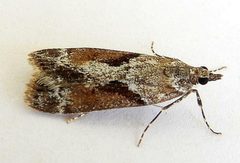
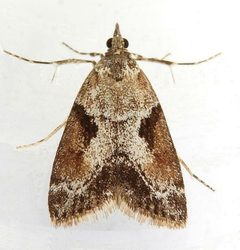
Cosipara modulalis is a small crambid described by Eugene G. Munroe in 1972. It is known from a limited distribution in the southwestern United States, specifically Arizona and Colorado. The has a wingspan of approximately 20 mm and appears to be active during mid-summer.
Pronunciation
How to pronounce Cosipara modulalis: //koʊsɪˈpɑːrə ˌmɒdjʊˈleɪlɪs//
These audio files are automatically generated. While they are not always 100% accurate, they are a good starting point.
Identification
Distinguishing Cosipara modulalis from other Cosipara requires examination of genitalia or detailed wing pattern analysis; specific diagnostic features are not described in accessible literature. The Cosipara is characterized by relatively small size and association with Scopariinae traits.
Images
Appearance
Small with wingspan approximately 20 mm. Specific wing pattern, coloration, and body details are not documented in available sources.
Distribution
Recorded from Arizona and Colorado in the southwestern United States. The limited number of records suggests either restricted range, specificity, or undercollection.
Seasonality
have been recorded on wing in July and August, indicating summer activity.
Similar Taxa
- Other Cosipara speciesCosipara is a of small crambid with similar general ; accurate identification to level typically requires examination of genitalia or detailed wing venation and pattern analysis.
More Details
Taxonomic history
Described by lepidopterist Eugene G. Munroe in 1972, a in Pyraloidea . The specific epithet 'modulalis' likely refers to modular or patterned wing markings, though this is not explicitly documented.
Data scarcity
With only six observations in iNaturalist and limited literature records, this remains poorly known. The paucity of information reflects the general challenge of documenting small, in arid western North America.