Pyrausta unifascialis
Packard, 1873
One-banded Pyrausta
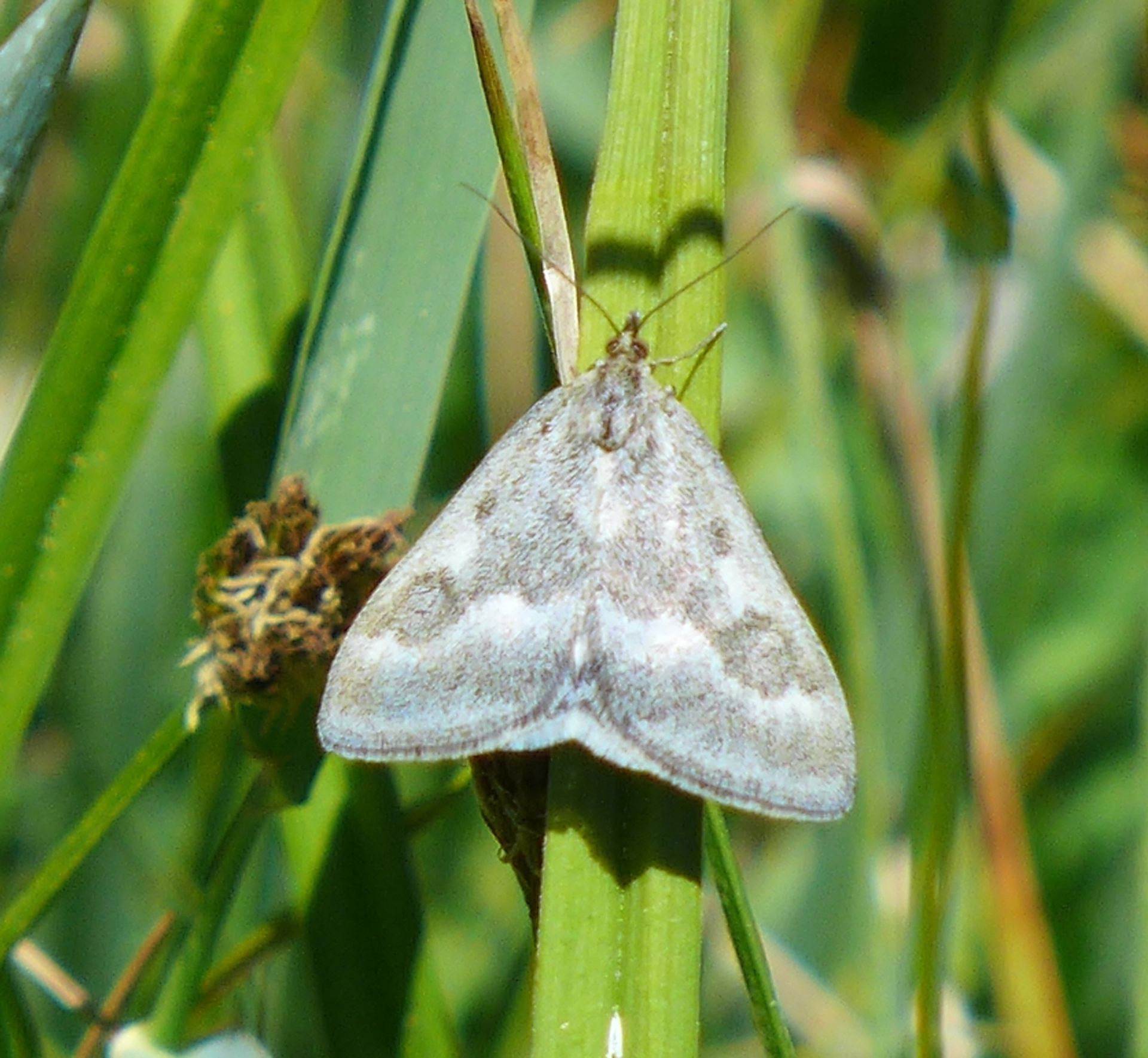
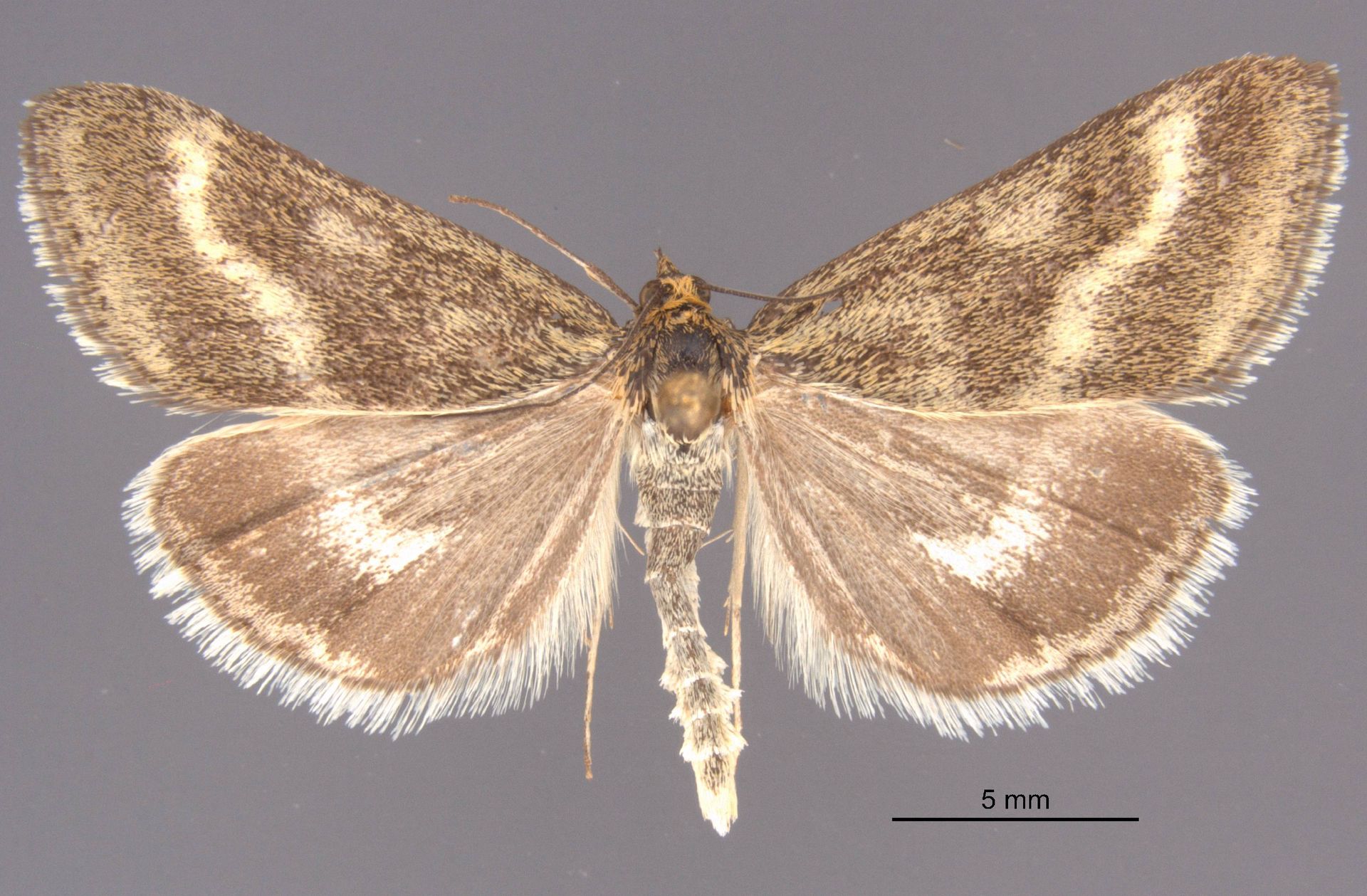
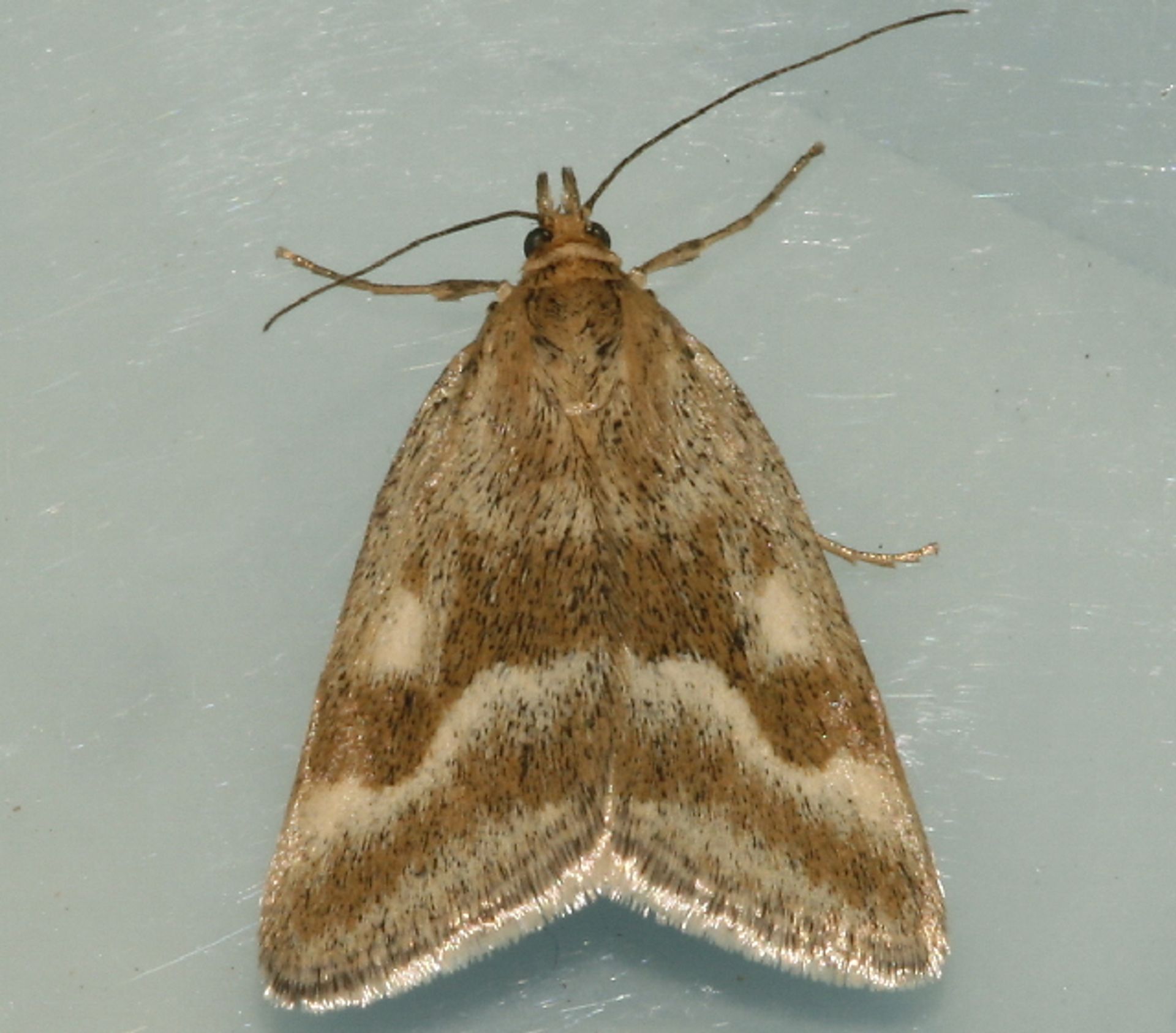
A North American crambid commonly known as the one-banded pyrausta. are small, colorful moths with distinctive banded patterns. Larvae are creamy-colored caterpillars that feed within flower buds of Monarda , causing significant damage to developing blossoms. The species has multiple per year and is considered a notable pest of ornamental beebalms.
Pronunciation
How to pronounce Pyrausta unifascialis: //ˌpaɪrəˈɔstə juːnɪˌfæʃiˈeɪlɪs//
These audio files are automatically generated. While they are not always 100% accurate, they are a good starting point.
Images
Habitat
Forest openings, clearings, and fields.
Distribution
North America: Quebec west to British Columbia, south to Arizona and California.
Seasonality
activity observed in late spring through summer. Larval activity begins in latter days of May and early June, coinciding with Monarda flower bud formation. Multiple occur per season.
Diet
Larvae feed within developing flower buds, florets, and associated leaves of Monarda including spotted beebalm, scarlet beebalm, and wild bergamot.
Host Associations
- Monarda - larval Spotted beebalm, scarlet beebalm, wild bergamot
Life Cycle
are laid in buds of leaves and flowers. Larvae hatch and feed internally within flower , producing silk and . presumably occurs within or near plant. Multiple per year have been observed.
Behavior
are fliers observed around plants. Larvae are concealed feeders, hiding in axils of sepals and at bases of florets within flower . They produce characteristic black pellets that accumulate in flower structures.
Ecological Role
Larvae act as herbivores on native Monarda . Their feeding can reduce floral resources for , , and dependent on nectar and pollen.
Human Relevance
Considered a significant pest of ornamental Monarda plantings. Heavy can destroy floral displays and reduce value. Control methods include mechanical destruction of larvae, Bacillus thuringiensis kurstaki (Btk), and spinosad (with caution regarding ).
Similar Taxa
- Pyrausta signatalisAlso known as 'raspberry pyrausta'; similar and use on Monarda; may be confused due to shared usage and . The two require careful morphological examination for separation.