Pyrausta rubricalis
Hübner, 1796
variable reddish pyrausta moth
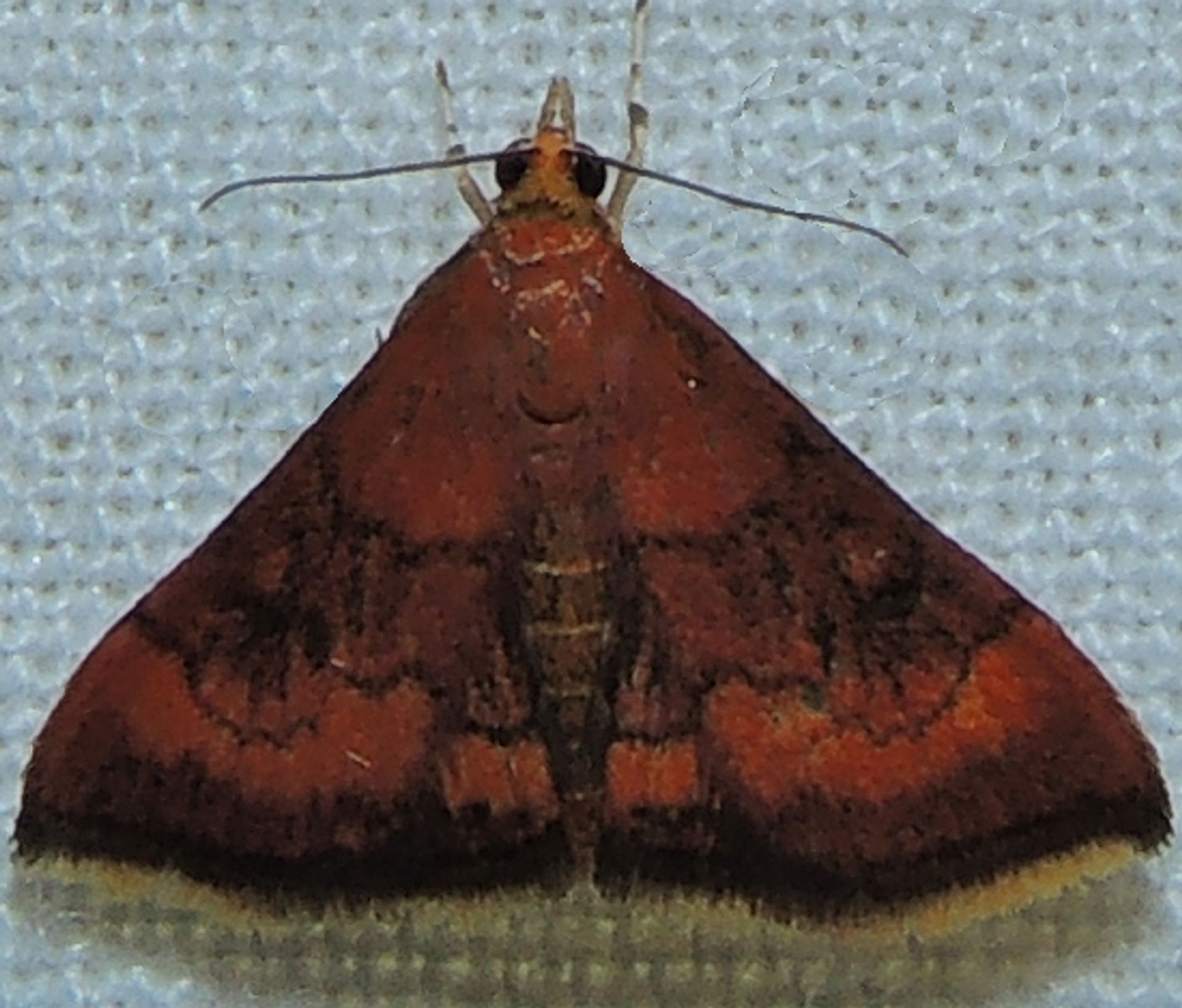
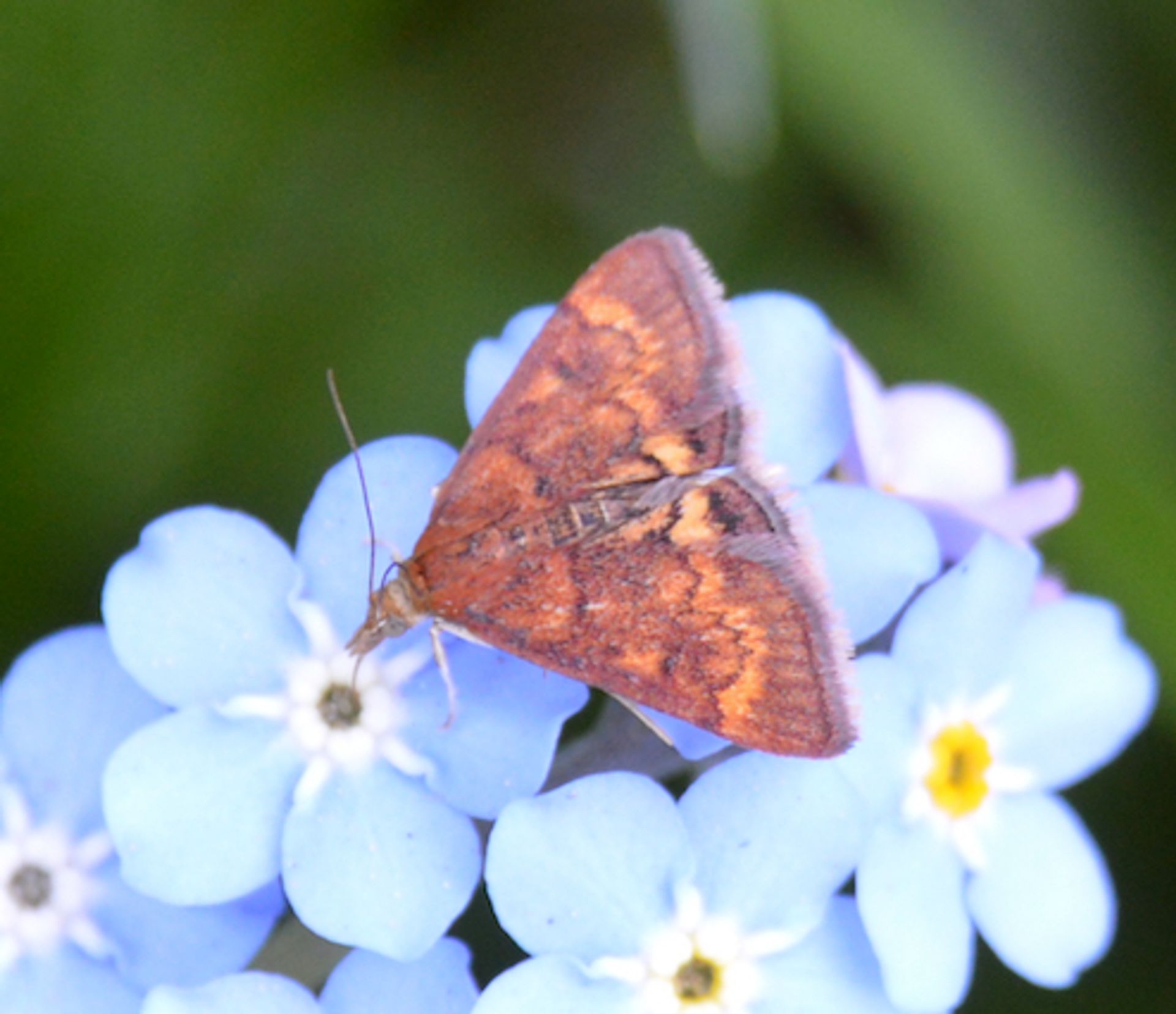
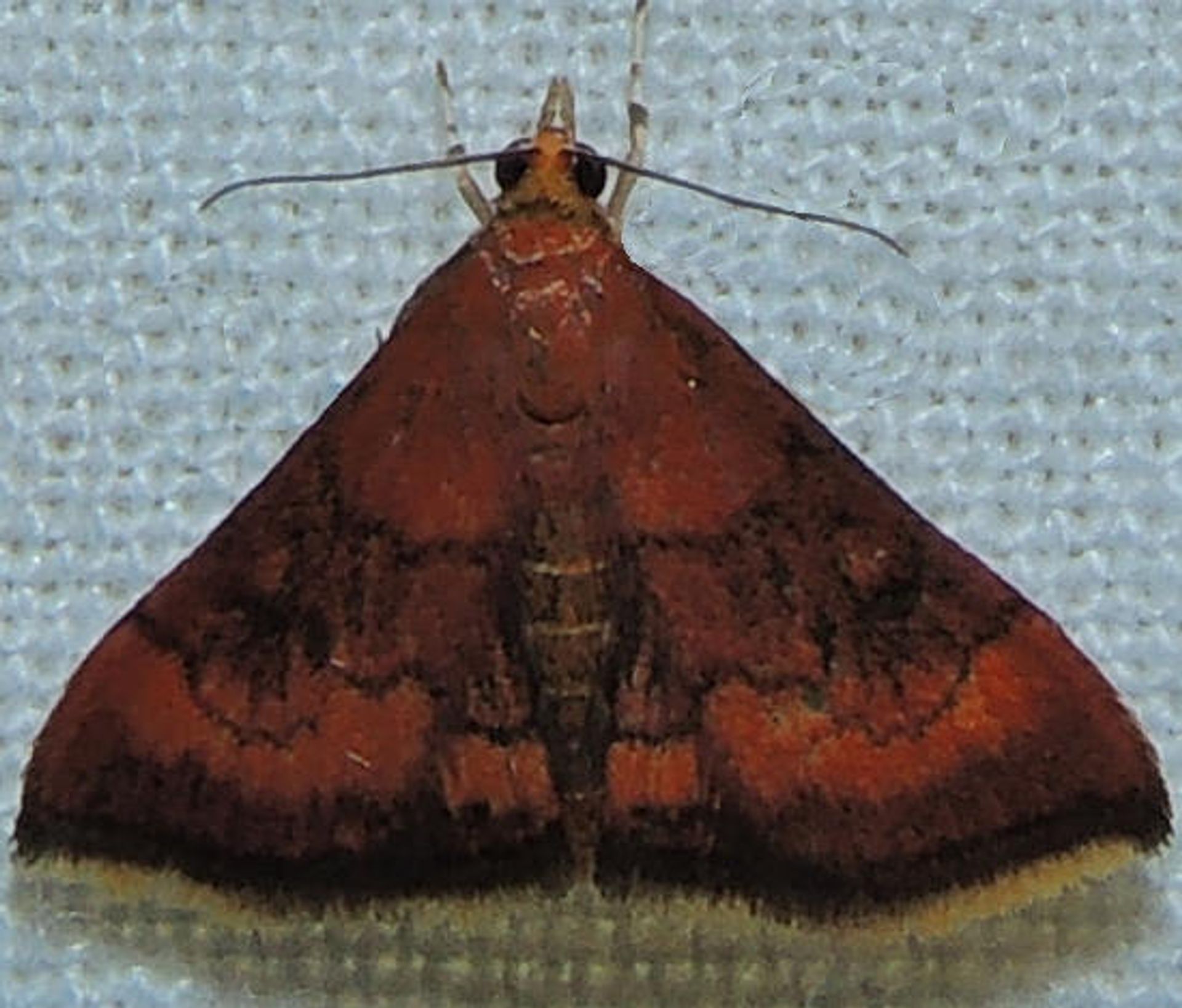
Pyrausta rubricalis is a small crambid found across North America, with a wingspan of approximately 15 mm. The shows considerable variation in coloration, contributing to its . are active from March through October, suggesting multiple per year. The moth is part of the diverse Pyrausta , which includes many species associated with flowering plants.
Pronunciation
How to pronounce Pyrausta rubricalis: /pɪˈraʊstə ruːˈbrɪkəlɪs/
These audio files are automatically generated. While they are not always 100% accurate, they are a good starting point.
Identification
Distinguished from similar Pyrausta by its small size (15 mm wingspan) and variable reddish coloration. Accurate identification to species level typically requires examination of specimens or genitalia dissection. The species name 'rubricalis' refers to the reddish coloration. Similar species in the Pyrausta may overlap in distribution and require careful comparison of wing patterns and coloration.
Images
Habitat
Associated with areas where plants in the Monarda occur, including spotted beebalm, scarlet beebalm, and wild bergamot. Found in flower beds, native plant gardens, and natural areas with suitable host vegetation.
Distribution
North America: eastern United States from Illinois to New York, south to Florida and Louisiana; western North America from southern California to Washington. Also recorded from Vermont.
Seasonality
recorded on wing from March to October, indicating an extended period with multiple .
Host Associations
- Monarda - larval plantIncludes spotted beebalm, scarlet beebalm, and wild bergamot; larvae feed within developing flower buds
Life Cycle
Multiple per year based on extended period. are laid in buds of leaves and flowers. Larvae are small, creamy-colored caterpillars that develop within flower buds, feeding on florets and associated tissues. details not documented.
Behavior
Larvae feed concealed within developing flower buds of Monarda , producing characteristic damage including shredded buds, holes in leaves, and accumulation of black pellets in leaf axils and sepal bases. are active during daylight hours and have been observed flitting around plants.
Ecological Role
Herbivore specializing on Monarda . Larval feeding can significantly reduce floral display and nectar availability, potentially impacting and other beneficial insects dependent on Monarda flowers. Serves as prey for including birds and predatory insects.
Human Relevance
Considered a minor garden pest where Monarda is cultivated for ornamental value. Mechanical control by crushing caterpillars is effective for small plantings. Chemical controls including Bacillus thuringiensis kurstaki (Btk) and spinosad are options for larger , with caution required to avoid harm to non-target . The is not of significant economic importance beyond home gardening contexts.
Similar Taxa
- Pyrausta signatalisSimilar ('raspberry pyrausta') and ; both feed on Monarda and cause similar damage patterns. Distinguished by specific wing markings and geographic distribution.
- Other Pyrausta speciesMany share similar size, coloration, and associations; accurate identification requires examination of diagnostic characters.
More Details
Taxonomic Note
The iNaturalist entry lists this under 'section' rank with preferred 'Variable Reddish and California Pyrausta ', suggesting possible taxonomic complexity or group status that may warrant further investigation.