
Odontiini
Genus Guides
21- Anatralata
- Chrismania
- Cymbopteryx
- Dichozoma
- Edia
- Eremanthe(Chemsak's desert moth)
- Frechinia
- Gyros
- Heliothelopsis
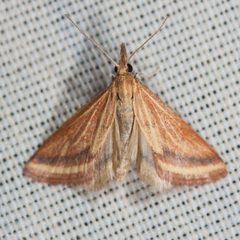
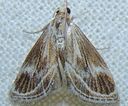
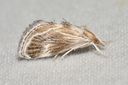
Odontiini is a tribe of within the Crambidae, Spilomelinae. Members of this tribe are small to medium-sized moths with diverse wing patterns. The tribe contains multiple distributed across various regions. Many exhibit characteristic wing markings that aid in identification.
Pronunciation
How to pronounce Odontiini: /oʊˈdɒntɪ.aɪˌnaɪ/
These audio files are automatically generated. While they are not always 100% accurate, they are a good starting point.
Identification
Odontiini can be distinguished from related crambid tribes by genitalic characters, particularly male valvae structure and female signum . Wing pattern elements often include a distinct discal spot and transverse lines. Distinguished from Schoenobiini by less pronounced snout formation. Distinguished from other Spilomelinae tribes by combination of wing venation and abdominal tympanal organ structure.
Images
Appearance
Small to medium-sized with wingspans generally ranging from 10-25 mm. Forewings often display distinct patterns including bands, spots, or streaks. Wing shape varies but typically triangular to somewhat elongated. Body relatively slender. Coloration ranges from dull browns and grays to more contrasting patterns with white or yellow markings.
Habitat
Found in diverse including grasslands, meadows, wetlands, forest edges, and agricultural areas. Many associated with herbaceous vegetation. Some linked to moist or marshy environments.
Distribution
Widespread distribution with representatives in the Palearctic, Nearctic, Afrotropical, Oriental, and Australasian regions. Particular diversity in tropical and subtropical zones. Some with more restricted regional distributions.
Seasonality
periods vary by and latitude. In temperate regions, most species active from late spring through summer (May-August). Some species with multiple or extended flight periods. Tropical species may be active year-round.
Ecological Role
Larvae of many feed on herbaceous plants, contributing to nutrient cycling and serving as food source for and . may contribute to pollination though specific roles are poorly documented for most species.
Human Relevance
Some are minor agricultural pests, feeding on crops including rice and other grasses. Generally not of major economic significance. Occasionally encountered in light trap surveys and biodiversity assessments.
Similar Taxa
- SchoenobiiniSimilar grass-associated crambid tribe, but distinguished by more pronounced labial palps forming snout-like projection and different wing venation patterns.
- UdeiniRelated tribe within Spilomelinae, distinguished by different genitalic structures and typically more uniform wing coloration.
More Details
Taxonomic Note
Odontiini has undergone taxonomic revision, with some previously placed here reassigned to other tribes. Current composition reflects molecular and morphological studies.