
Heliothelopsis
Munroe, 1961
Species Guides
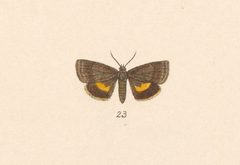
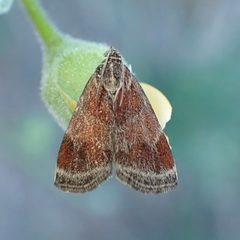
3Heliothelopsis is a of small in the Crambidae, Odontiinae, established by Munroe in 1961. The genus contains three described : H. arbutalis (Snellen, 1875), H. costipunctalis (Barnes & McDunnough, 1914), and H. unicoloralis (Barnes & McDunnough, 1914). These moths are classified within the pyraloid group of Lepidoptera. The genus appears to be relatively poorly documented, with limited biological and ecological information available in scientific literature.
Pronunciation
How to pronounce Heliothelopsis: //ˌhi.li.oʊˈθɛl.əp.sɪs//
These audio files are automatically generated. While they are not always 100% accurate, they are a good starting point.
Identification
Heliothelopsis are distinguished within Odontiinae by genitalic characters used in species-level identification. The name suggests possible resemblance to Heliothela, a related crambid genus, though specific diagnostic external morphological features for field identification remain undocumented in available sources. Species within the genus are separated based on wing pattern and genitalic structure.
Images
Distribution
The includes with North American distribution: Heliothelopsis costipunctalis and H. unicoloralis were described from the United States (Barnes & McDunnough, 1914), while H. arbutalis was originally described from Java, Indonesia (Snellen, 1875), suggesting possible wider geographic range or taxonomic reclassification of that species.
Similar Taxa
- HeliothelaSimilar name and placement within Crambidae; Heliothelopsis was distinguished from Heliothela by Munroe (1961) based on genitalic .
- Odontiinae generaShares placement with numerous small crambid that require dissection for reliable identification.
More Details
Taxonomic history
The was established by Munroe in 1961 to accommodate previously placed in other genera. Heliothelopsis arbutalis was originally described as Heliothela arbutalis by Snellen in 1875, indicating taxonomic reclassification.
Documentation status
The is sparsely documented, with only 32 observations recorded on iNaturalist as of source date. This limited observational data reflects either genuine rarity, undercollection, or identification challenges requiring dissection.