
Parapoynx allionealis
Walker, 1859
Watermilfoil Leafcutter Moth
Species Guides
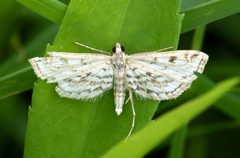
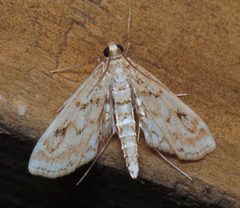
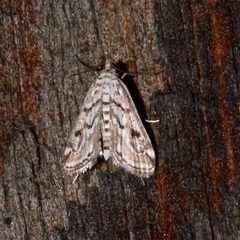
2Parapoynx allionealis, commonly known as the watermilfoil leafcutter , is a crambid moth native to North America. The is notable for its aquatic larval stage and its specialized feeding on submerged and floating aquatic plants. It has been documented across a broad geographic range spanning eastern and central North America, from southern Canada to the Gulf Coast. The reflects its association with Myriophyllum (watermilfoil) species, though larvae feed on multiple aquatic plant .
Pronunciation
How to pronounce Parapoynx allionealis: /ˌpæ.rəˈpɔɪnks ˌæ.li.əʊˈneɪ.ˌæl.ɪs/
These audio files are automatically generated. While they are not always 100% accurate, they are a good starting point.
Images
Habitat
Aquatic and semi-aquatic freshwater environments including lakes, ponds, slow-moving streams, and wetlands. Larvae inhabit the submerged or floating vegetation zone, while occur in the surrounding terrestrial environment near water bodies.
Distribution
Eastern and central North America: recorded from Alabama, Florida, Georgia, Indiana, Louisiana, Maine, Manitoba, Maryland, Massachusetts, Michigan, Minnesota, Mississippi, New Brunswick, New Hampshire, New Jersey, New York, North Carolina, Nova Scotia, Ohio, Oklahoma, Ontario, Quebec, South Carolina, Tennessee, Texas, and Vermont.
Seasonality
have been recorded on wing year-round in the southern portion of the range; activity patterns in northern portions not explicitly documented.
Diet
Larvae feed on various aquatic plants: Nymphaea odorata (white water lily), Potamogeton natans, Potamogeton pusillus, Myriophyllum spicatum, Myriophyllum heterophyllum, Hydrochtoa caroliniensis, Eleocharis vivipara, Utricularia inflata, and Salvinia rotundifolia. diet not documented.
Host Associations
- Nymphaea odorata - larval food plantwhite water lily
- Potamogeton natans - larval food plantbroad-leaved pondweed
- Potamogeton pusillus - larval food plantlesser pondweed
- Myriophyllum spicatum - larval food plantEurasian watermilfoil
- Myriophyllum heterophyllum - larval food plantvariable watermilfoil
- Hydrochtoa caroliniensis - larval food plant
- Eleocharis vivipara - larval food plant spikerush
- Utricularia inflata - larval food plantswollen bladderwort
- Salvinia rotundifolia - larval food plantround-leaf salvinia
Life Cycle
Larvae construct portable cases from plant material, which they inhabit while feeding on aquatic vegetation. Specific details regarding deposition, site, and number of per year are not documented.
Behavior
Larvae live in portable cases constructed from plant material. This case-building provides protection and camouflage while feeding on submerged aquatic vegetation.
More Details
Taxonomic Note
Walker described this in 1859. The species is placed in Acentropinae, a group of crambid commonly known as aquatic or semiaquatic moths due to their larvae's association with freshwater .