
Parapoynx allionealis allionealis
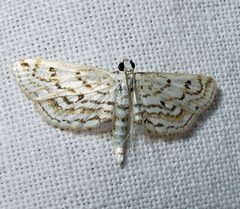
Parapoynx allionealis allionealis is a of aquatic crambid in the Parapoynx. Members of this genus are associated with freshwater and have aquatic or semi-aquatic larval stages. The subspecies designation indicates it represents a geographically distinct of the P. allionealis. Very few observations of this have been documented.

Pronunciation
How to pronounce Parapoynx allionealis allionealis: /ˌpærəˈpɔɪŋks ˌæliˈoʊniˌeɪlɪs/
These audio files are automatically generated. While they are not always 100% accurate, they are a good starting point.
Identification
As a of P. allionealis, separation from other P. allionealis subspecies requires examination of subtle morphological differences, likely in genitalia or wing pattern elements, or geographic origin. The nominate subspecies allionealis allionealis presumably occurs in a specific portion of the ' range. Distinction from other Parapoynx species requires reference to specialized keys for aquatic Crambidae.
Images
Habitat
Freshwater aquatic environments including ponds, lakes, slow-moving streams, and marshes. Larvae are aquatic, constructing cases from plant material.
Distribution
Specific range of the nominate is not well documented; the P. allionealis occurs in North America.
Similar Taxa
- Parapoynx allionealis (other subspecies)Other of the same would require detailed morphological or geographic analysis to distinguish.
- Other Parapoynx speciesAquatic crambid in this share similar and general appearance; -level identification requires examination of genitalia or specialized wing characters.
More Details
Taxonomic note
The status of this is based on iNaturalist classification; original description and diagnostic features have not been verified from primary literature.
Data limitation
With only one documented observation, biological details for this remain essentially unknown.