
Petrophila fulicalis
Clemens, 1860
Feather-edged Petrophila
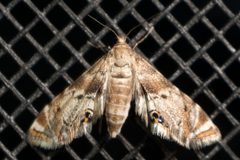
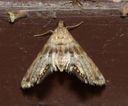
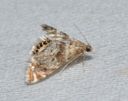
Petrophila fulicalis is a crambid described by James Brackenridge Clemens in 1860. It belongs to a group that has been taxonomically clarified using citizen science data, distinguishing it from similar species P. confusalis and P. bella. are and often found near running water. The species has a broad North American distribution with two distinct centers: eastern records from the Great Lakes and Appalachian regions, and western records from the southwestern United States and northern Mexico.
Pronunciation
How to pronounce Petrophila fulicalis: //ˌpɛtrəˈfaɪlə ˌfjuːlɪˈkælɪs//
These audio files are automatically generated. While they are not always 100% accurate, they are a good starting point.
Identification
Requires dissection and examination of male genitalia for definitive separation from P. confusalis and P. bella. Geographic location provides preliminary guidance: P. fulicalis occurs primarily west of the 100th meridian in the southwestern United States and northern Mexico, while P. confusalis is more eastern. Citizen science records previously misidentified as P. confusalis in the Southwest have been reidentified as P. fulicalis based on genitalia examination.
Images
Habitat
Rivers and streams with running water. found resting on rocks and vegetation near water margins. Larvae are aquatic, inhabiting freshwater stream environments.
Distribution
Two disjunct regions: (1) southwestern United States and northern Mexico including California, Arizona, New Mexico, Texas, Nevada, Utah, Colorado, Oklahoma, and Kansas; and (2) eastern North America including Alabama, Florida, Indiana, Maine, Maryland, Michigan, New York, North Carolina, Ohio, Ontario, Pennsylvania, Tennessee, and West Virginia. The western is primary; eastern records may represent a separate cryptic lineage or range extension.
Seasonality
active during warmer months; timed to aquatic conditions. Specific period varies by latitude and elevation.
Life Cycle
Aquatic larval stage in running freshwater; are terrestrial and . occurs in or near water. Detailed larval development and pupal stages not documented in available sources.
Behavior
are , unusual for crambid . Frequently observed resting on rocks and streamside vegetation during daylight hours. Attracted to light at night in some records.
Ecological Role
Aquatic herbivore as larvae; contributes to freshwater as both consumer and prey item for aquatic .
Human Relevance
Subject of recent taxonomic revision using citizen science data, demonstrating the value of -contributed observations for clarifying boundaries. No significant economic or pest status reported.
Similar Taxa
- Petrophila confusalisOverlapping wing pattern and historical misidentification; distinguished by male genitalia and primarily eastern distribution
- Petrophila bellaSimilar wing pattern; distinguished by genitalia features and geographic range
Misconceptions
Historically confused with P. confusalis due to superficial similarity in wing patterns; many southwestern records previously attributed to P. confusalis have been reidentified as P. fulicalis based on genitalia examination.
More Details
Taxonomic History
boundaries within the P. fulicalis group were clarified in 2021 using citizen science data from iNaturalist and BugGuide, combined with morphological examination of genitalia. This study resolved long-standing confusion between P. fulicalis and P. confusalis.
Distribution Pattern
The disjunct eastern and western may represent cryptic or reflect incomplete sampling. The western population is well-documented and genetically confirmed; eastern records require further study to determine if they represent the same biological species.