Cnaemidophorus rhododactyla
Denis & Schiffermüller, 1775
Rose Plume Moth
Cnaemidophorus rhododactyla, the rose plume moth, is a distinctive in the Pterophoridae. The is widely distributed across the Northern Hemisphere and is closely associated with Rosa species as its larval . are active in mid-summer and are readily attracted to light. The species has been recorded as a pest of roses in Turkey, where larval feeding inside flower buds can destroy a substantial portion of bud mass.
Pronunciation
How to pronounce Cnaemidophorus rhododactyla: /ˌnaɪmɪˈdɒfərəs ˌroʊdoʊˈdæktɪlə/
These audio files are automatically generated. While they are not always 100% accurate, they are a good starting point.
Identification
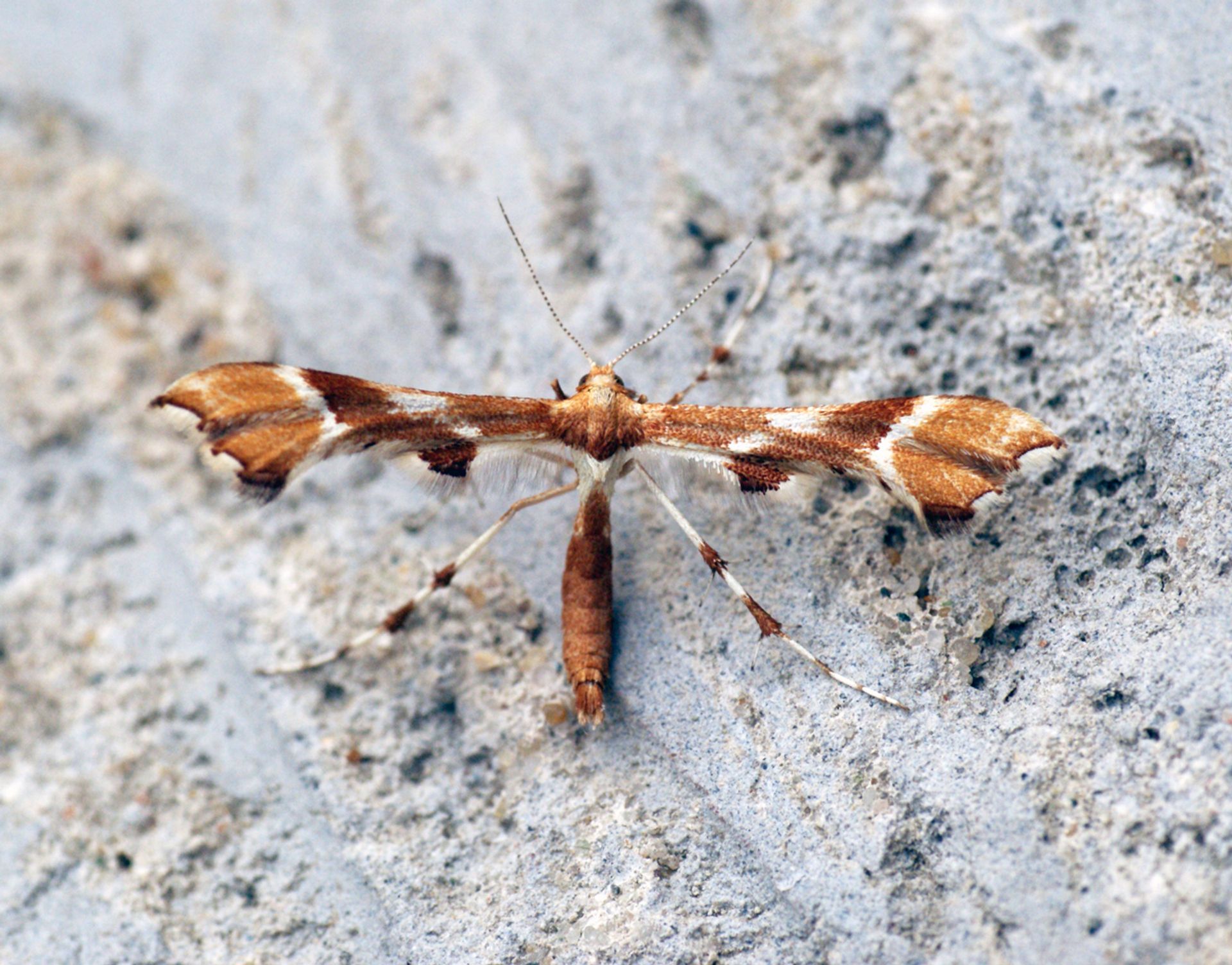
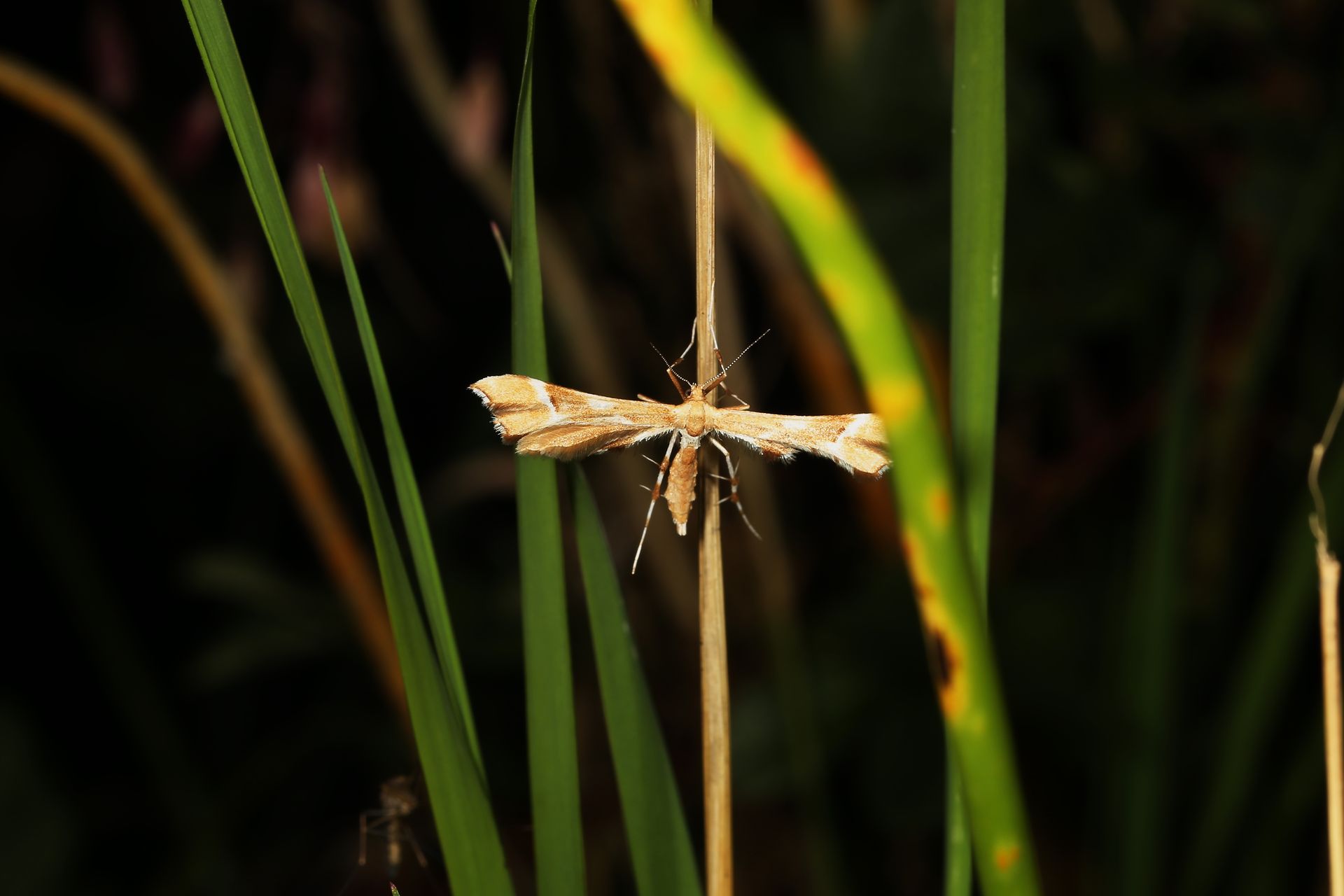
Recognized among plume moths by its distinctive markings, which are among the most pronounced in the . The combination of size (18–26 mm wingspan), specific wing pattern, and association with Rosa plants aids identification. fly in July and August, providing temporal separation from some similar .
Images
Appearance
Wingspan 18–26 mm. One of the most distinctively marked plume moths, with characteristic plume-like wing divisions typical of the Pterophoridae. The specific pattern of markings distinguishes it from and other .
Habitat
Regions supporting Rosa , including wild and cultivated roses. In Turkey, found in Erzurum and Kars provinces where multiple Rosa species occur. The species occupies temperate environments across its broad Northern Hemisphere range.
Distribution
Northern Hemisphere except Greenland, Southeast Asia, and most of North Africa. Recorded across Europe and Asia, with specific pest records from Turkey (Erzurum and Kars provinces).
Seasonality
fly in July and August. hatch in autumn; larvae overwinter when small, probably in stems. Larval feeding resumes in May.
Diet
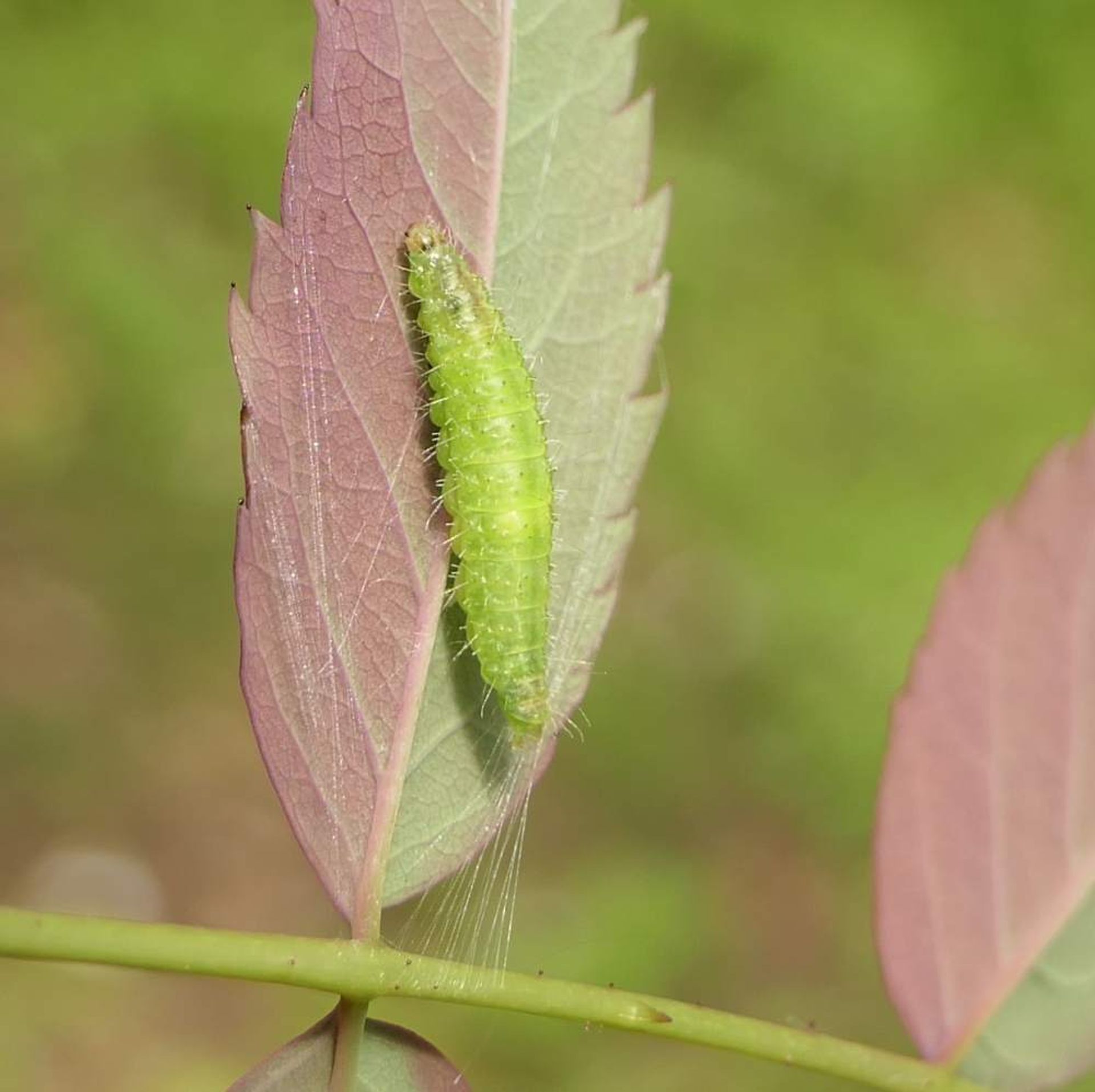
Larval stage feeds on Rosa . Specifically documented feeding on leaves, flower buds, and flowers. In Turkey, larvae feed internally within flower buds, creating cavities and destroying at least 60% of flower-bud mass. Documented plants include Rosa rugosa, Rosa canina, Rosa dumalis, Rosa spinosissima, and Rosa subcanina.
Host Associations
- Rosa rugosa - larval foodplantJapanese rose
- Rosa canina - larval foodplantdog-rose
- Rosa dumalis - larval foodplantglaucous dog rose; suffered more damage than other in Turkey study
- Rosa spinosissima - larval foodplantburnet rose
- Rosa subcanina - larval foodplantsuffered more damage than other in Turkey study
Life Cycle
hatch in autumn. Larvae initially feed on leaves, then overwinter when small, probably in stems. Feeding resumes in May on leaves, flower buds, and flowers. and occur for July–August period.
Behavior
are attracted to light. Larvae feed internally within flower buds, creating cavities that destroy substantial bud mass.
Ecological Role
Herbivore specializing on Rosa . Serves as for larval including Pseudoperichaeta palesoidea (Tachinidae), Sinophorus turionus (Ichneumonidae), and Scambus brevicornis (Ichneumonidae). Cnaemidophorus rhododactyla represents a new host record for these three parasitoid species.
Human Relevance
Documented as a pest of Rosa in Turkey, where larval feeding in flower buds causes significant damage to rose . The species may impact ornamental rose production and wild rose .
Similar Taxa
- Other Cnaemidophorus speciesLess distinctively marked; C. rhododactyla is noted as one of the most distinctively marked plume moths in the
- Other PterophoridaeDifferent wing patterns and markings; C. rhododactyla has more pronounced and characteristic markings
More Details
Parasitoid Records
Three larval were reared from C. rhododactyla in Turkey: Pseudoperichaeta palesoidea (Tachinidae), Sinophorus turionus (Ichneumonidae), and Scambus brevicornis (Ichneumonidae). This represents a new record for all three parasitoid . Sinophorus turionus is additionally a new record for the Turkish fauna.
Host Damage in Turkey
Among approximately 12 Rosa in the study region, Rosa dumalis and R. subcanina suffered more damage than other species, though the mechanism for this preference is unspecified.