Sinophorus
Förster, 1869
Sinophorus is a of ichneumonid established by Förster in 1869. are distributed across Europe, Asia, and North America. Members are larval endoparasitoids of Lepidoptera and possibly other insects. The genus includes at least nine described species, with some species such as Sinophorus megalodontis and S. xanthostomus studied for their potential.
Pronunciation
How to pronounce Sinophorus: //sɪˈnɒfərəs//
These audio files are automatically generated. While they are not always 100% accurate, they are a good starting point.
Identification
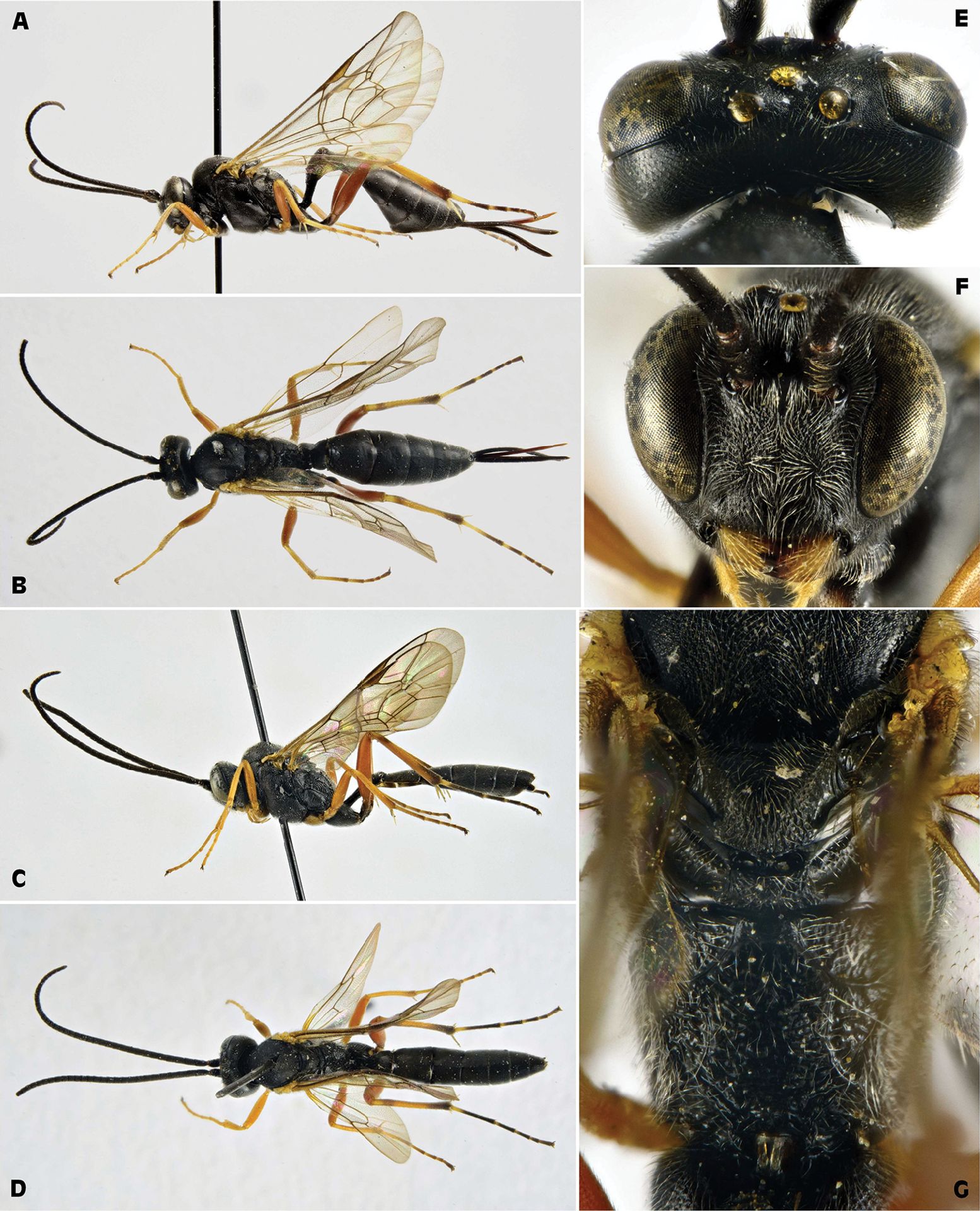
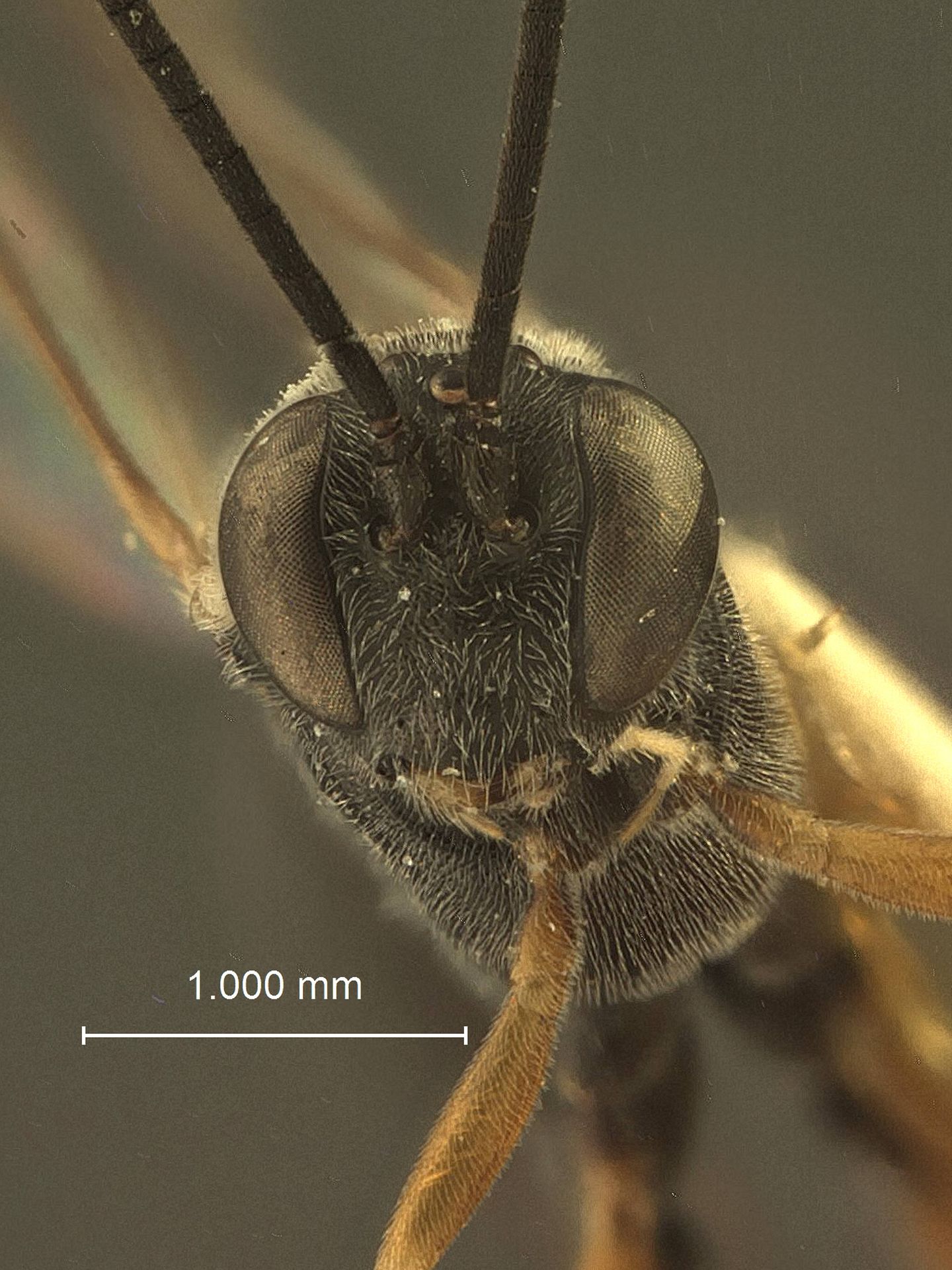
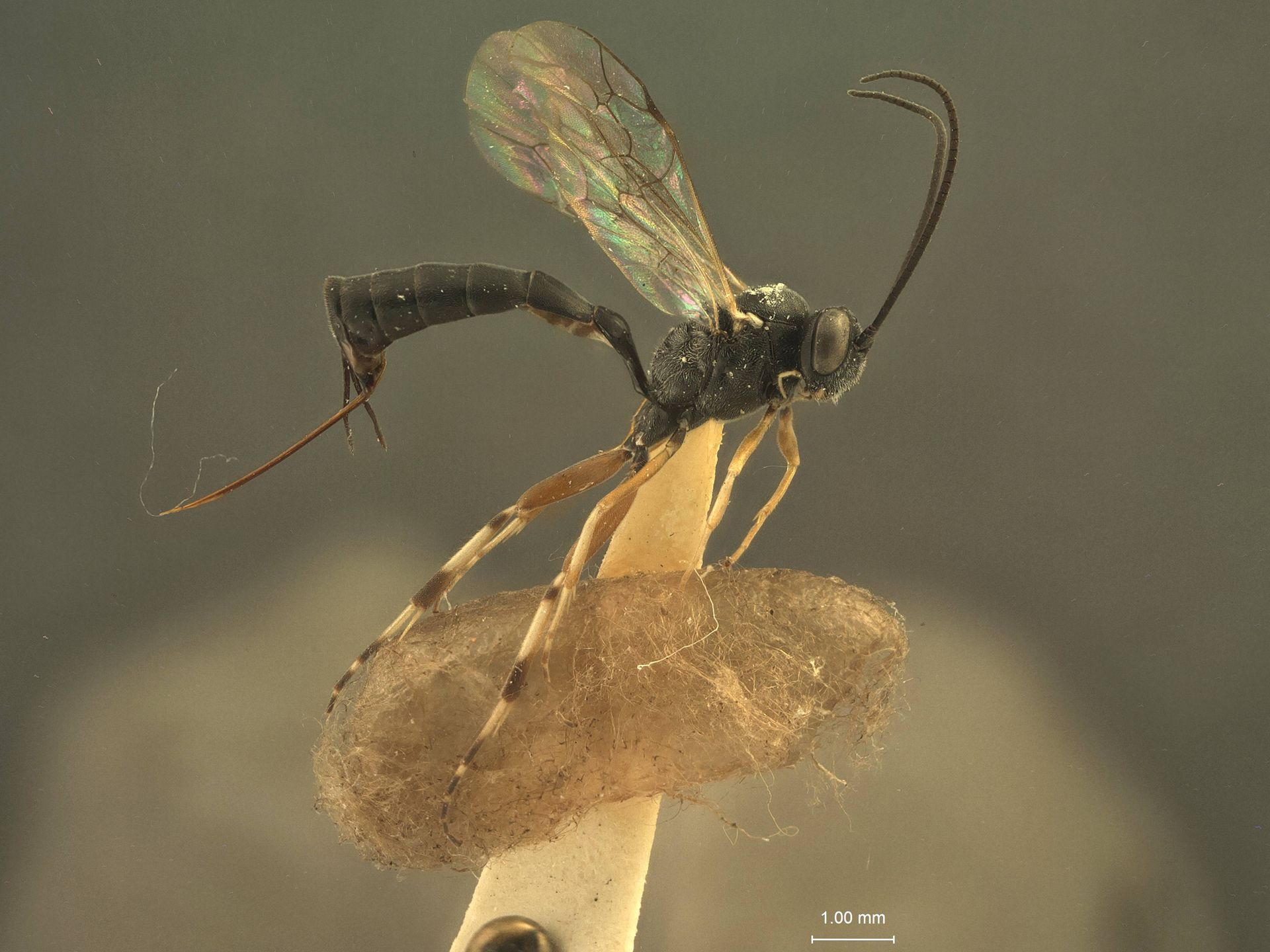
Identification to level requires examination of morphological characters including propodeum structure, wing venation patterns, and genitalia. The is distinguished from related ichneumonid genera by combinations of characters in the propodeum and petiole. Specimen records indicate detailed imaging of , lateral, , propodeum, and genitalia views are used for species-level determination.
Images
Habitat
Associated with forested and agricultural where insects occur. Sinophorus megalodontis has been documented in pine forests, emerging from soil where host larvae pupate. Other occur in diverse habitats corresponding to their host ranges.
Distribution
Europe, Asia, and North America. GBIF records confirm presence in Denmark, Norway, and Sweden. -specific records include S. xanthostomus in Egypt (new record) and S. megalodontis in Ontario, Canada.
Seasonality
timing varies by and latitude. Sinophorus megalodontis adults emerge from soil over 17 days in late May to early June in Ontario, with male emergence peaking 3.5 days before females.
Host Associations
- Acantholyda erythrocephala (pine false webworm) - larval endoparasitoidSinophorus megalodontis attacks all larval instars; is introduced to North America while is likely
- Pieris rapae (cabbage butterfly) - larval Sinophorus xanthostomus recorded as new to Egypt on this
Life Cycle
Sinophorus megalodontis is with one per year. emerge from soil where they overwinter. Females oviposit in all larval stages. Development includes , larval instars, and cocoon stages. by host immune response and occur.
Behavior
Females locate and oviposit into larvae. has been observed in 4.8% of host larvae in S. megalodontis. may retard host development. Later host larval stages show higher parasitism frequency. Males emerge before females and may demonstrate protandry.
Ecological Role
Native contributing to regulation of herbivorous insect . Sinophorus megalodontis provides limited of the introduced pine false webworm due to and reducing effective from 17.1% to 9.0%.
Human Relevance
Studied for potential in of agricultural and forest pests. Sinophorus xanthostomus investigated for control of cabbage butterfly Pieris rapae. S. megalodontis evaluated for pine false webworm management, though limited effectiveness suggests need for additional control measures.
Similar Taxa
- CremastusRelated ichneumonid with similar body plan and propodeum structure; distinguished by specific character combinations in wing venation and genitalia
- TemeluchaAnother ichneumonid in related with superficially similar ; requires detailed examination of propodeum and petiole characters for separation
More Details
Taxonomic authority
established by Arnold Förster in 1869
Type specimens
specimens for multiple (S. brochus brevipilatus, S. inflatus) deposited at UCR Entomology Research Museum with detailed photographic documentation
Research gaps
Most biological information derives from two well-studied (S. megalodontis, S. xanthostomus); remaining species have minimal published biological data
Sources and further reading
- BugGuide
- Wikipedia
- GBIF taxonomy match
- iNaturalist taxon
- NCBI Taxonomy
- Catalogue of Life
- sinophorus_inflatus_sanborne_holotype_female_ucrc_ent_283763_propodeum.jpg | Entomology Research Museum
- Primary Type List | Entomology Research Museum
- Sinophorus xanthostomus
- PHENOLOGY OF THE NATIVE PARASITOID SINOPHORUS MEGALODONTIS (HYMENOPTERA: ICHNEUMONIDAE) RELATIVE TO ITS INTRODUCED HOST, THE PINE FALSE WEBWORM (HYMENOPTERA: PAMPHILIIDAE)
- ECOLOGICAL AND BIOLOGICAL STUDIES ON THE ICHNEUMONID LARVAL PARASITOID, Sinophorus xanthostomus GRAV. AS A NEW RECORD IN EGYPT ON THE LARVAE OF CABBAGE BUTTERFLY, Pieris rapae L.