Kricogonia lyside
(Godart, 1819)
lyside sulphur, guayacan sulphur
Kricogonia lyside is a Pieridae distributed across the southern United States, Caribbean, and South America. It is notable for mass triggered by heavy rainfall following dry periods, particularly in Texas. The exhibits considerable variation in wing coloration and larval appearance. It has a rapid , capable of developing from to in approximately 13 days.
Pronunciation
How to pronounce Kricogonia lyside: /ˌkrɪkoʊˈɡoʊniə ˈlaɪsaɪd/
These audio files are automatically generated. While they are not always 100% accurate, they are a good starting point.
Identification
Distinguished from similar sulphurs by combination of pale yellow upperside with black hindwing bar and forewing basal patch. Queen Alexandra's sulphur (Colias alexandra) shows more yellow on forewing underside and a whitish spot in hindwing center. Cloudless sulphur (Phoebis sennae) is larger and more uniformly yellow. Statira sulphur (Aphrissa statira) has more yellowish upperside and pale greenish to white underside; females have light pinkish markings.
Images
Appearance
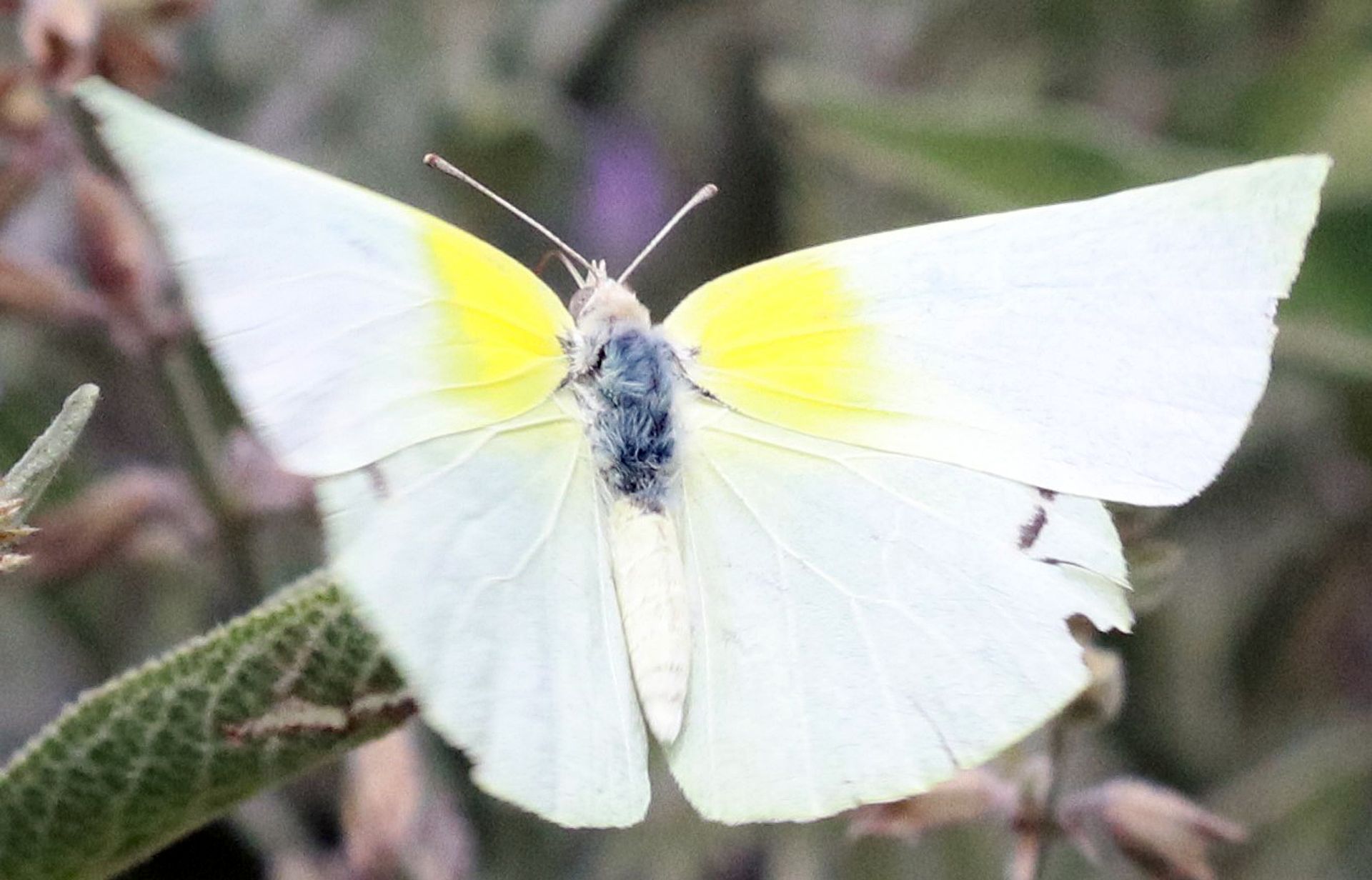
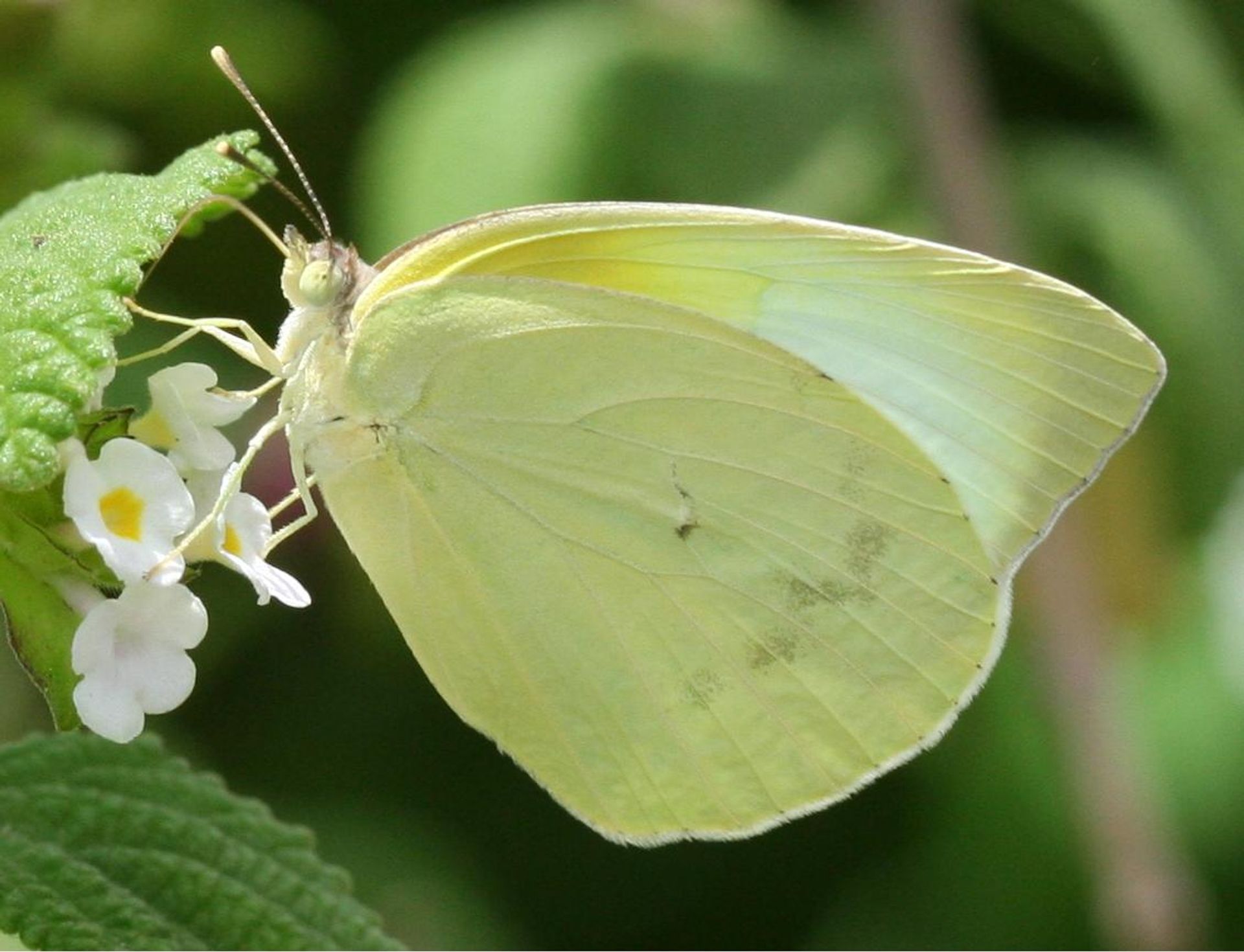
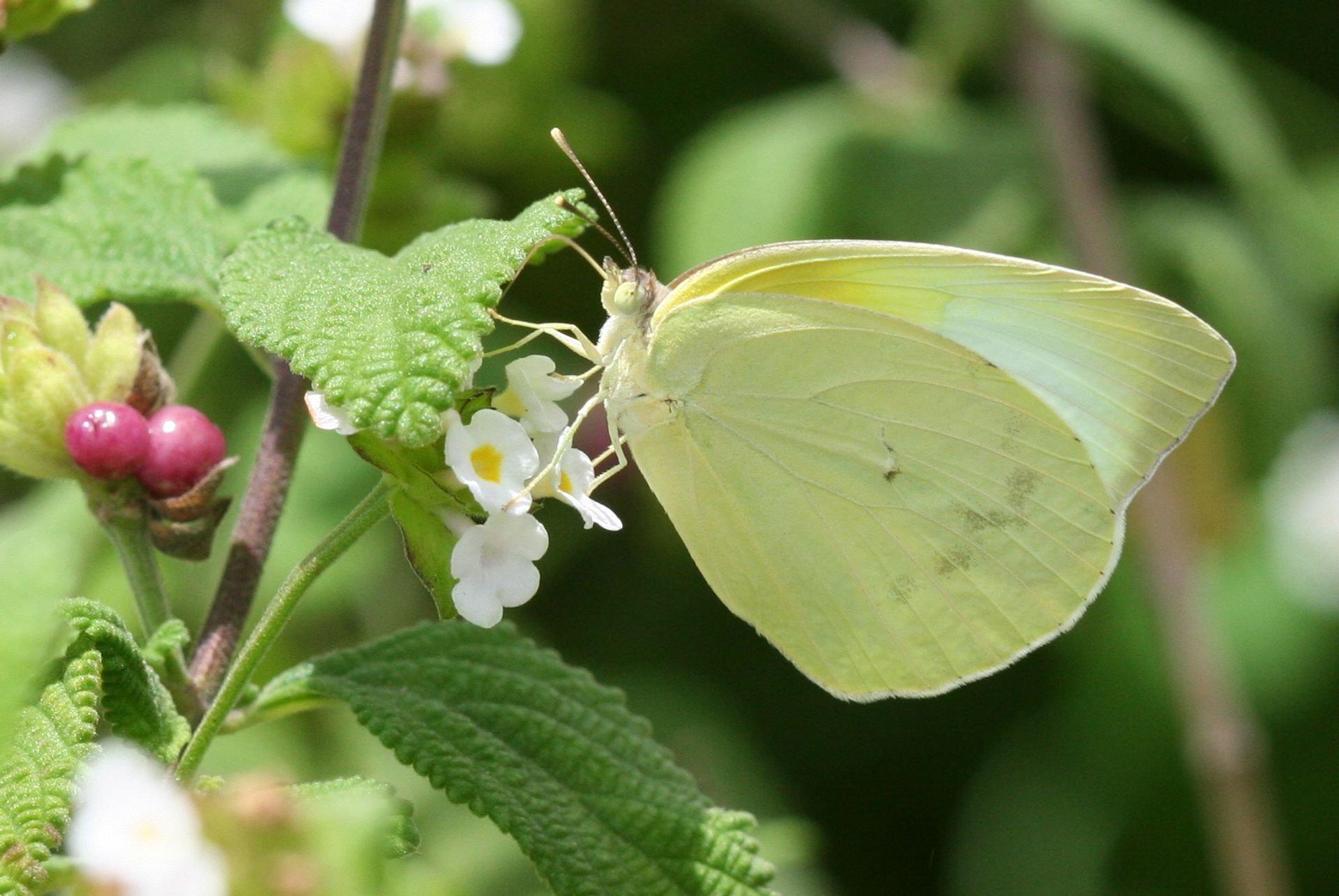
Wingspan 3.8–6 cm. Upperside pale yellow with variable black markings: typically a black bar on the leading edge of the hindwing and a bright yellow patch near the forewing base. Some individuals show black borders along the forewing and apex. Underside highly variable: greenish, bright yellow, or nearly white. Greener forms display a whitish in the center of the hindwing and a bright yellow forewing basal patch.
Habitat
Open, subtropical scrub.
Distribution
Southern United States (Texas, Arizona, southern Florida), Mexico, Caribbean, and South America.
Seasonality
Southern Texas: nearly year-round. Arizona: early July to mid-November. Florida: scattered sightings July to October.
Diet
Larvae feed exclusively on leaves of three Guaiacum (Zygophyllaceae): G. sanctum and G. angustifolium in Central and North America; G. officinale in South America and the Caribbean. diet not specified in sources.
Host Associations
- Guaiacum sanctum - larval Central and North America
- Guaiacum angustifolium - larval Central and North America
- Guaiacum officinale - larval South America and Caribbean
Life Cycle
to in as little as 13 days. Three or more per year in southern Texas. Larva highly variable in color: grass green to blackish green, marked or unmarked; marked individuals usually have and spiracular silvery stripes. Chrysalis bluish-green.
Behavior
Mass occur in seasons with heavy monsoons, frequent in Texas, rarer in the southwest. Migrations are often unidirectional but can change direction over short periods; triggered by substantial rainfall following prolonged dry periods. Source , ultimate destinations, and purpose of migrations remain unknown.
Human Relevance
Occasional resident in southern Florida; mass observed but economic or agricultural impact not documented.
Similar Taxa
- Colias alexandraQueen Alexandra's sulphur has more yellow on forewing underside and whitish spot in hindwing center
- Phoebis sennaeCloudless sulphur is larger and more uniformly yellow
- Aphrissa statiraStatira sulphur has more yellowish upperside and pale greenish to white underside; females have light pinkish markings