Polites origenes
(Fabricius, 1793)
crossline skipper
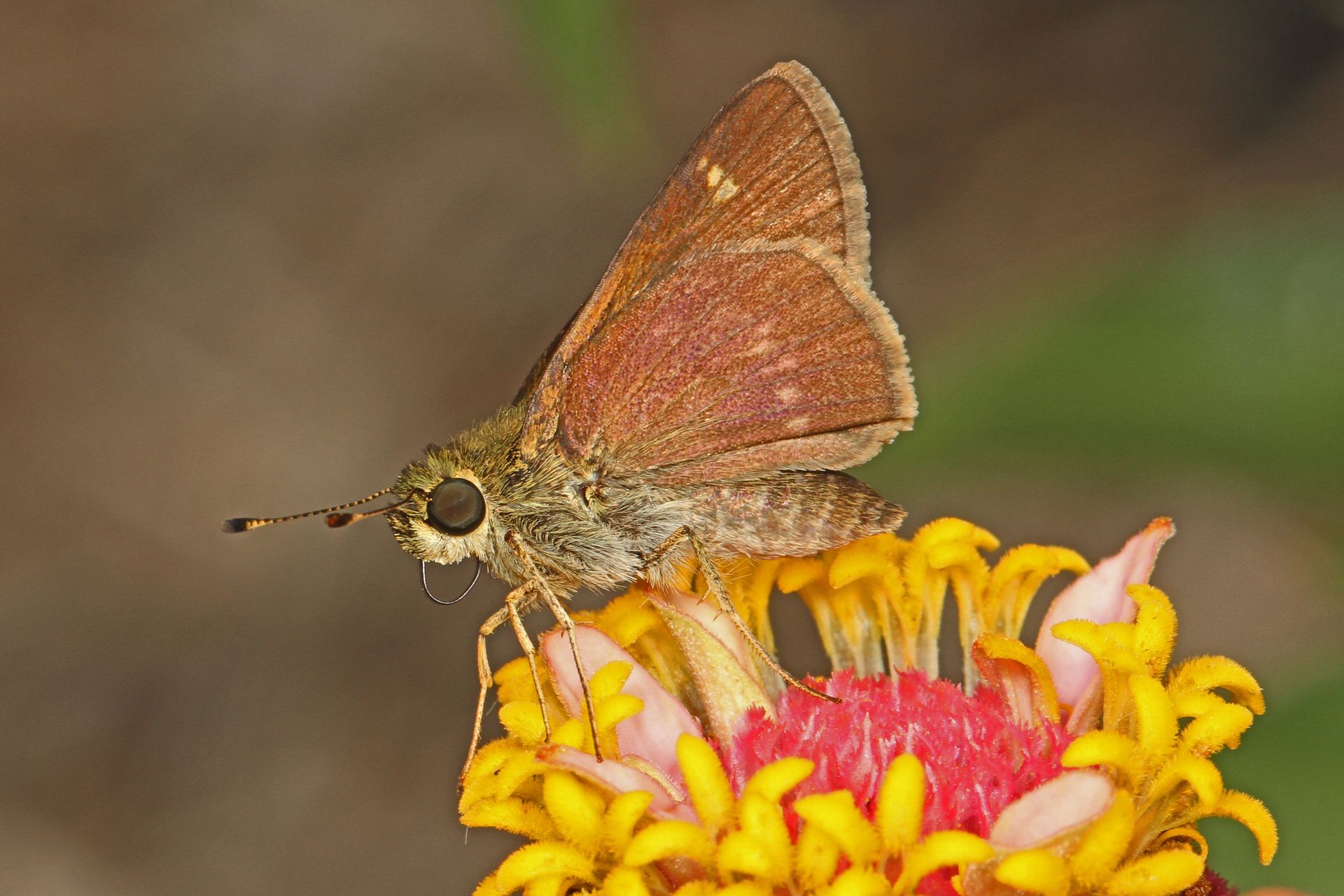
Polites origenes, the crossline skipper, is a small in the Hesperiidae. It occurs in eastern North America from southern Canada through the eastern United States, excluding Florida. The exhibits one annually in Canada and two generations in the United States. Larvae feed on specific grass species, while visit flowers for nectar.


Pronunciation
How to pronounce Polites origenes: /pɔˈlaɪtiːz oʊˈrɪdʒɪniːz/
These audio files are automatically generated. While they are not always 100% accurate, they are a good starting point.
Identification
Distinguished from other Polites by geographic range and period. The "crossline skipper" refers to wing pattern markings. Accurate identification may require examination of wing pattern details and association with specific and larval plants.
Images
Appearance
Wingspan 23–30 mm. A small with characteristic rapid, darting typical of the Hesperiidae.
Habitat
Grassland supporting larval grasses. Associated with open areas where redtop grass (Tridens flavus) and little bluestem (Andropogon scoparius) occur.
Distribution
Eastern United States (excluding Florida), southern Ontario, and Quebec.
Seasonality
One annually in Canada from late June to mid-August; two generations annually in the United States.
Diet
Larvae feed on grasses, specifically redtop grass (Tridens flavus) and little bluestem (Andropogon scoparius). feed on flower nectar.
Host Associations
- Tridens flavus - larval food plantredtop grass
- Andropogon scoparius - larval food plantlittle bluestem
Life Cycle
Complete with one per year in Canada, two generations per year in the United States. stage not specified in available sources.
Ecological Role
function as when feeding on flower nectar. Larvae are herbivores on native grasses.
Similar Taxa
- Other Polites speciesSimilar size, pattern, and general appearance; distinguished by wing pattern details, geographic range, and plant associations
More Details
Voltinism variation
number varies geographically: in Canada, in the United States. This pattern reflects to differing growing season lengths across its range.