Datana neomexicana
Doll, 1911
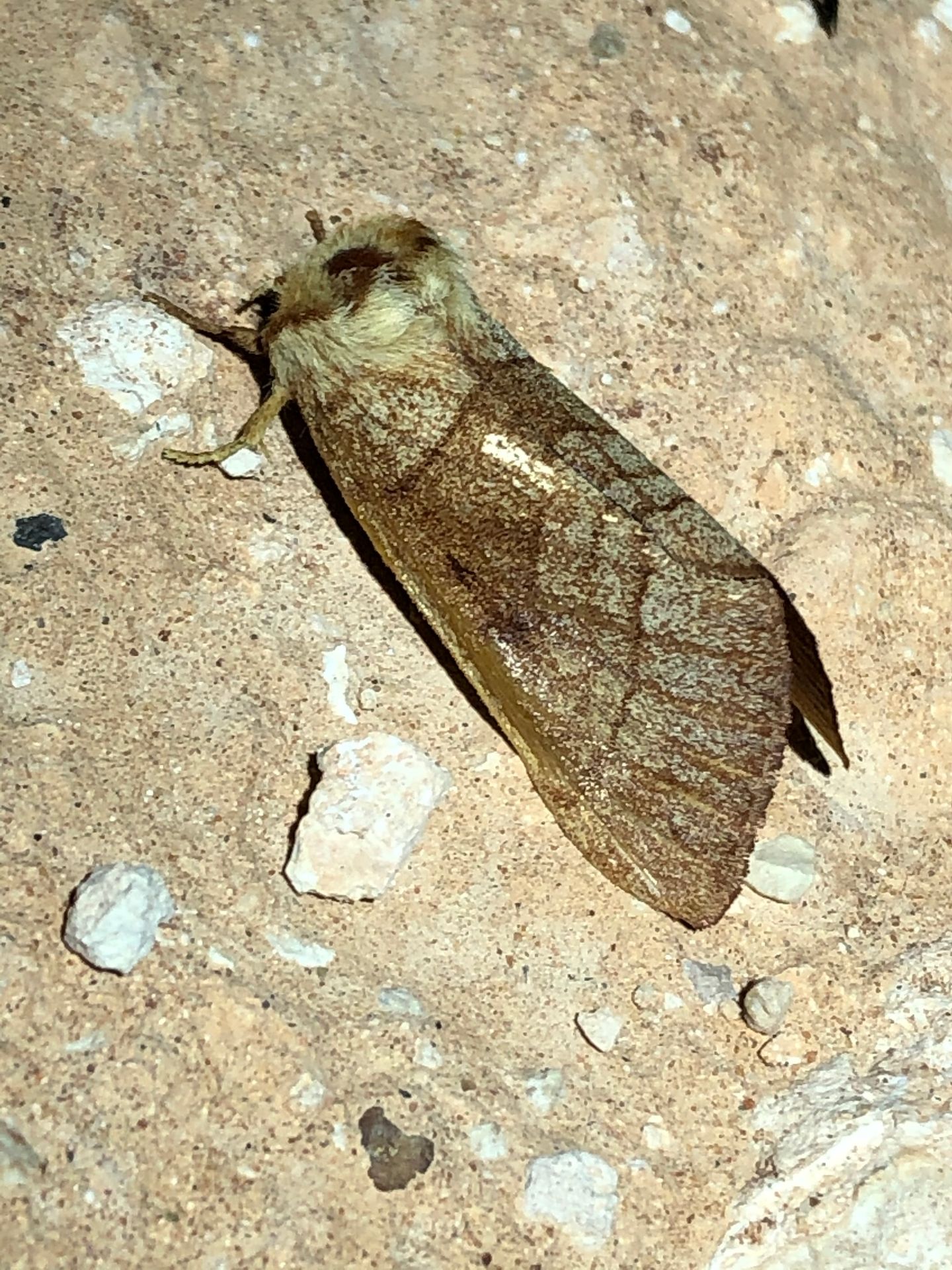
Datana neomexicana is a of prominent in the Notodontidae, first described by Doll in 1911. It occurs in North America and is assigned MONA/Hodges number 7913. Like other members of the Datana, it is a late-season defoliator whose larvae feed on tree foliage. The species is part of a group of hardwood defoliators that typically cause minor, aesthetic damage rather than significant tree health impacts.
Pronunciation
How to pronounce Datana neomexicana: /dæˈtɑː.nə niː.oʊ.mɛkˈsɪ.kə.nə/
These audio files are automatically generated. While they are not always 100% accurate, they are a good starting point.
Identification
Distinguished from other Datana by specific morphological features typical of the , including the characteristic resting posture with wings held tent-like over the body. are likely cryptically colored in browns and grays to match bark surfaces. Larvae possess the eversible defensive glands typical of Notodontidae caterpillars. Species-level identification requires examination of genitalia or detailed wing pattern analysis.
Images
Distribution
North America. Specific records indicate presence in the southwestern United States, including Arizona and New Mexico, consistent with the epithet.
Seasonality
are active in summer months; larvae feed as late-season defoliators, typically in late summer and early fall.
Ecological Role
As a late-season defoliator, larvae contribute to nutrient cycling through leaf consumption. levels are typically regulated by natural enemies, with limited long-term impact on tree health.
Human Relevance
Like other Datana , larvae may cause aesthetic damage to ornamental trees and accumulate beneath heavily infested trees. Management is rarely necessary; mechanical removal of larvae or branches is preferred over to preserve natural enemy .
Similar Taxa
- Datana integerrimaWalnut caterpillar, another late-season defoliator with similar and larval appearance; distinguished by plant association and geographic distribution.
- Other Datana speciesMultiple occur in North America; -level identification requires detailed morphological examination.
Sources and further reading
- BugGuide
- Wikipedia
- GBIF taxonomy match
- iNaturalist taxon
- NCBI Taxonomy
- Catalogue of Life
- Insects and mites that feed on leaves - AgriLife Extension Entomology
- Bug Eric: Wasp Wednesday: Ammophila procera
- Much Ado About Nothing? End-of-Summer Defoliation Heats Up
- A cicada that snaps, crackles, and pops! | Beetles In The Bush
- Bug Eric: November 2010
- pleasing fungus beetles | Beetles In The Bush