Gluphisia avimacula
Hudson, 1891
Four-spotted Gluphisia Moth, four-spotted gluphisium, avimacula pebble
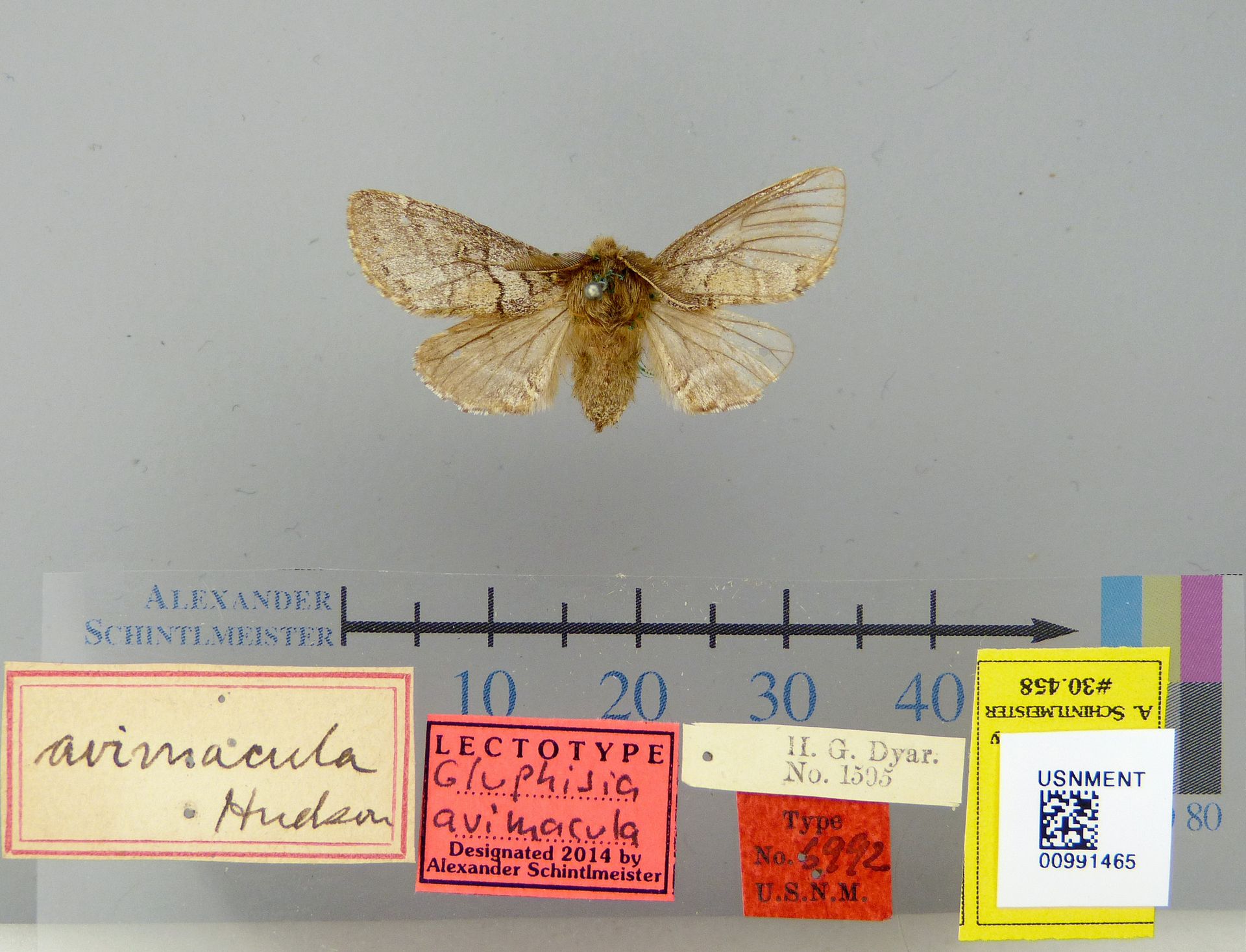
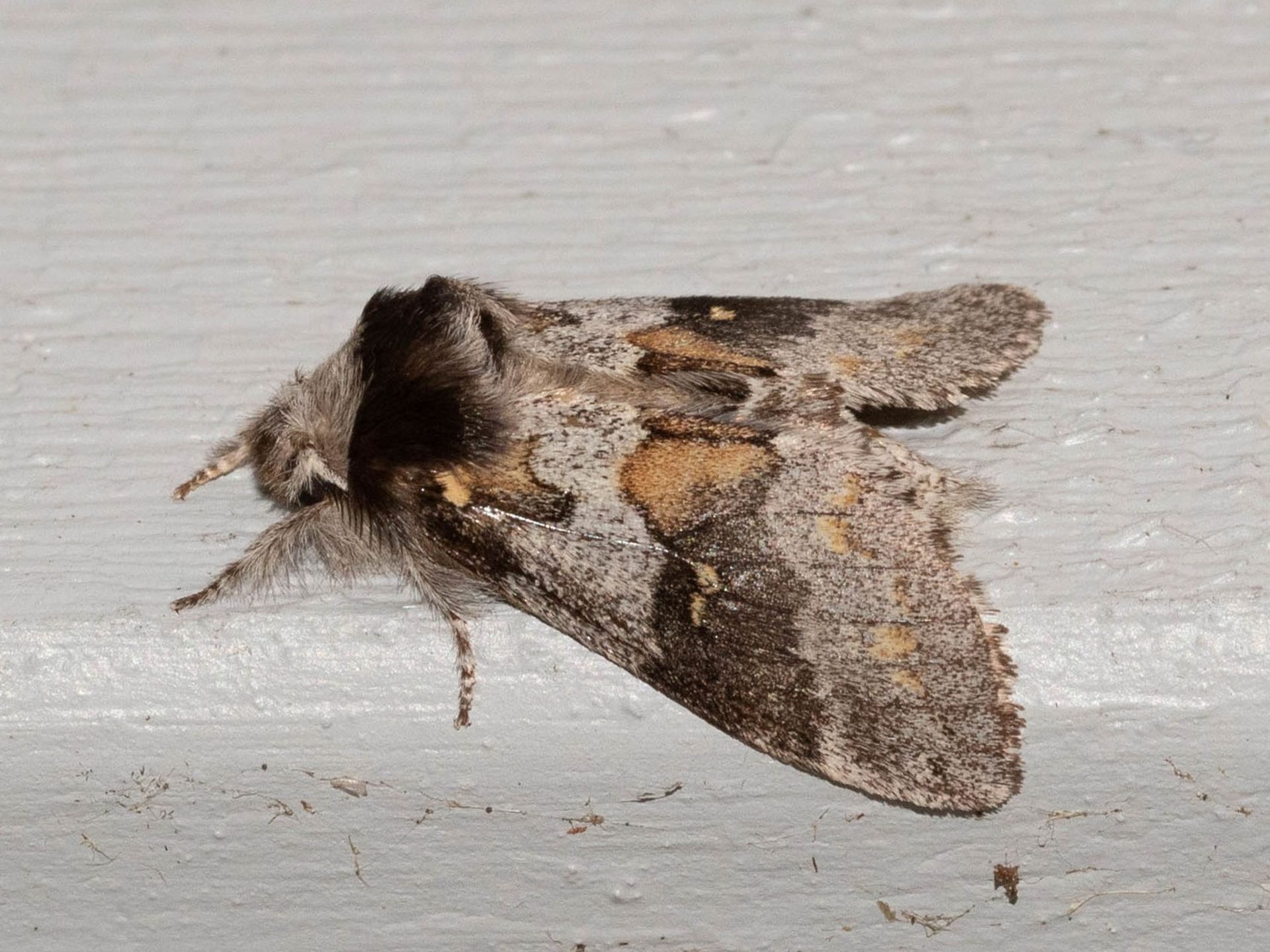
Gluphisia avimacula is a of prominent in the Notodontidae, first described by George H. Hudson in 1891. It is distributed across North America, with confirmed records from Canada (Alberta, Manitoba, Saskatchewan) and the United States (Vermont). The species is attracted to ultraviolet light sources and is active during summer months. Like other members of the Gluphisia, it is a moth with distinctive wing patterning.
Pronunciation
How to pronounce Gluphisia avimacula: //ɡluˈfɪsiə ˌævɪˈmækjʊlə//
These audio files are automatically generated. While they are not always 100% accurate, they are a good starting point.
Identification
The "four-spotted gluphisium" and "avimacula pebble" suggest the presence of four distinct spots or markings on the wings, though specific diagnostic features distinguishing it from such as Gluphisia septentrionis (the common gluphisia moth) are not documented in available sources. Members of the Gluphisia generally exhibit muted gray-brown coloration with variable pattern elements.
Images
Distribution
North America: confirmed present in Alberta, Manitoba, and Saskatchewan (Canada), and Vermont (United States). Additional unconfirmed records likely extend across and temperate regions of the continent given the distribution pattern.
Seasonality
activity has been documented in June through August based on blacklighting observations and National Week records. Specific varies by latitude.
Behavior
are and attracted to ultraviolet light sources, including blacklights and mercury vapor lamps. They have been observed at light stations in both natural and suburban settings.
Ecological Role
likely serve as prey for including bats and night-foraging birds. Larval stages, if they follow patterns of related Notodontidae, may function as herbivores, though specific plant relationships are undocumented.
Human Relevance
The is documented through citizen science initiatives such as National Week and iNaturalist, contributing to distributional knowledge. It holds no known economic significance as pest or beneficial species.
Similar Taxa
- Gluphisia septentrionisOverlapping distribution and similar size; distinguished by wing pattern details and potentially genitalia, though specific differentiating characters for G. avimacula are not well documented in accessible literature.
More Details
Taxonomic history
First described by New Zealand entomologist George H. Hudson in 1891. The specific epithet 'avimacula' (Latin: 'bird-spot') likely refers to the wing spotting pattern.
Data gaps
Larval , plants, site, and complete remain undocumented in accessible sources. Most biological knowledge is inferred from .