
Ursia noctuiformis
Barnes & McDunnough, 1911
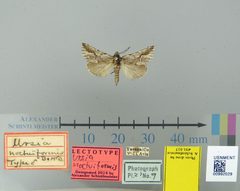
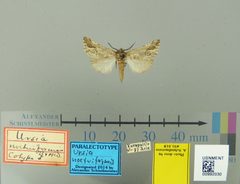
Ursia noctuiformis is a of prominent ( Notodontidae) first described in 1911 by William Barnes and James Halliday McDunnough. The species name "noctuiformis" refers to its resemblance to owlet moths (family Noctuidae). It is assigned MONA/Hodges number 8002.
Pronunciation
How to pronounce Ursia noctuiformis: /ˈʊɹsiə nɒkˌtjuːɪˈfɔːmɪs/
These audio files are automatically generated. While they are not always 100% accurate, they are a good starting point.
Identification
May be distinguished from other Ursia by its noctuid-like appearance; specific diagnostic features require examination of genitalia or detailed wing pattern analysis. The specific epithet "noctuiformis" (meaning "Noctua-shaped") suggests superficial similarity to owlet moths in the Noctuidae.
Images
Distribution
North America
Human Relevance
Used as a research subject in lepidopteran ; referenced in faunal surveys and biodiversity databases.
Similar Taxa
- Ursia furtiva in the same , requiring careful examination to distinguish; both occur in North America
- Noctuidae speciesSuperficially similar due to convergent wing shape and pattern, as reflected in the epithet "noctuiformis"
More Details
Taxonomic history
Described by prominent American lepidopterists William Barnes and James Halliday McDunnough in 1911; placed in Heterocampinae within Notodontidae
Catalog reference
MONA ( of North America) / Hodges number 8002