Syngrapha alticola
(Walker, 1858)
Alticola Looper Moth, Alpine Beauty
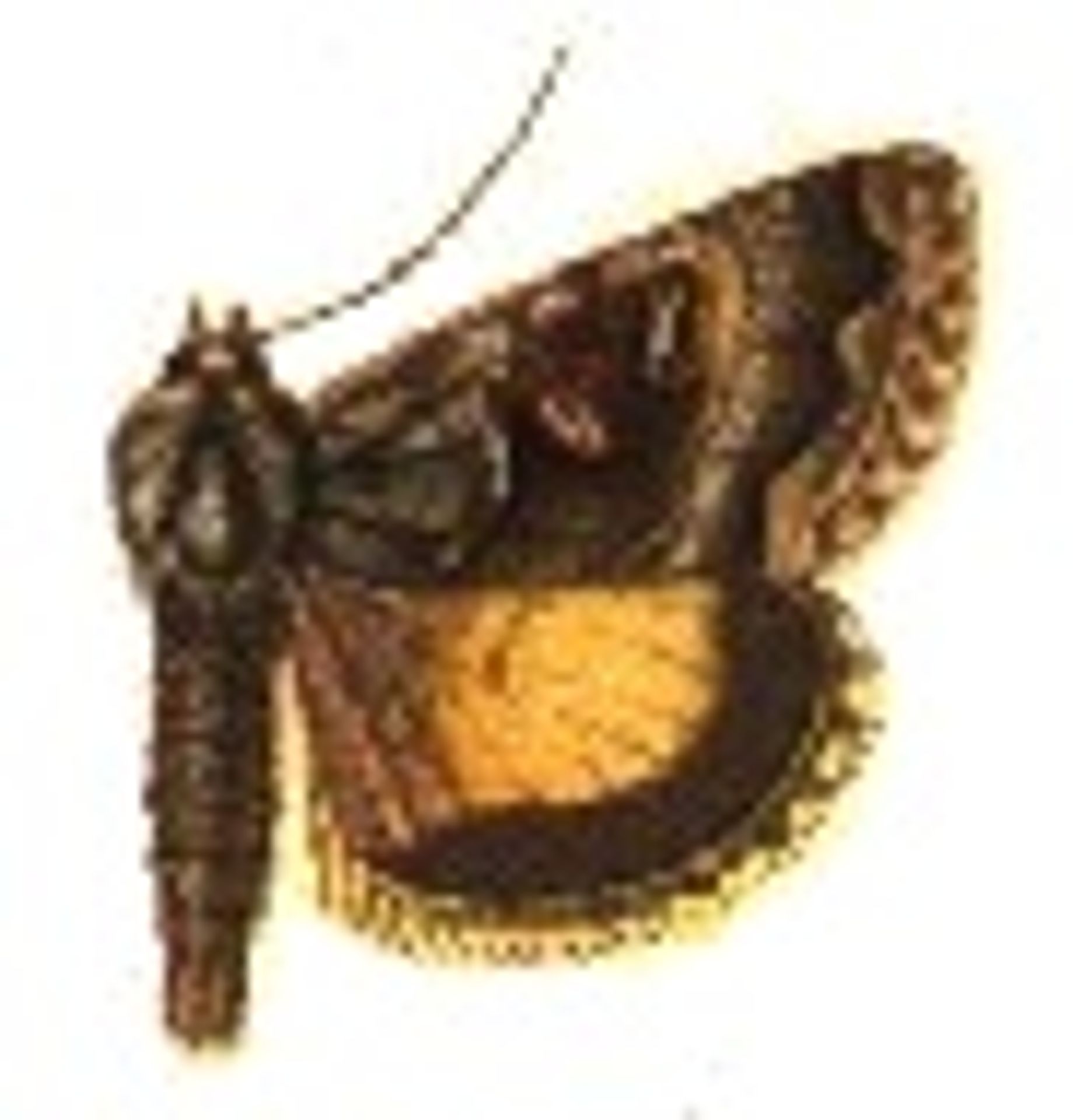
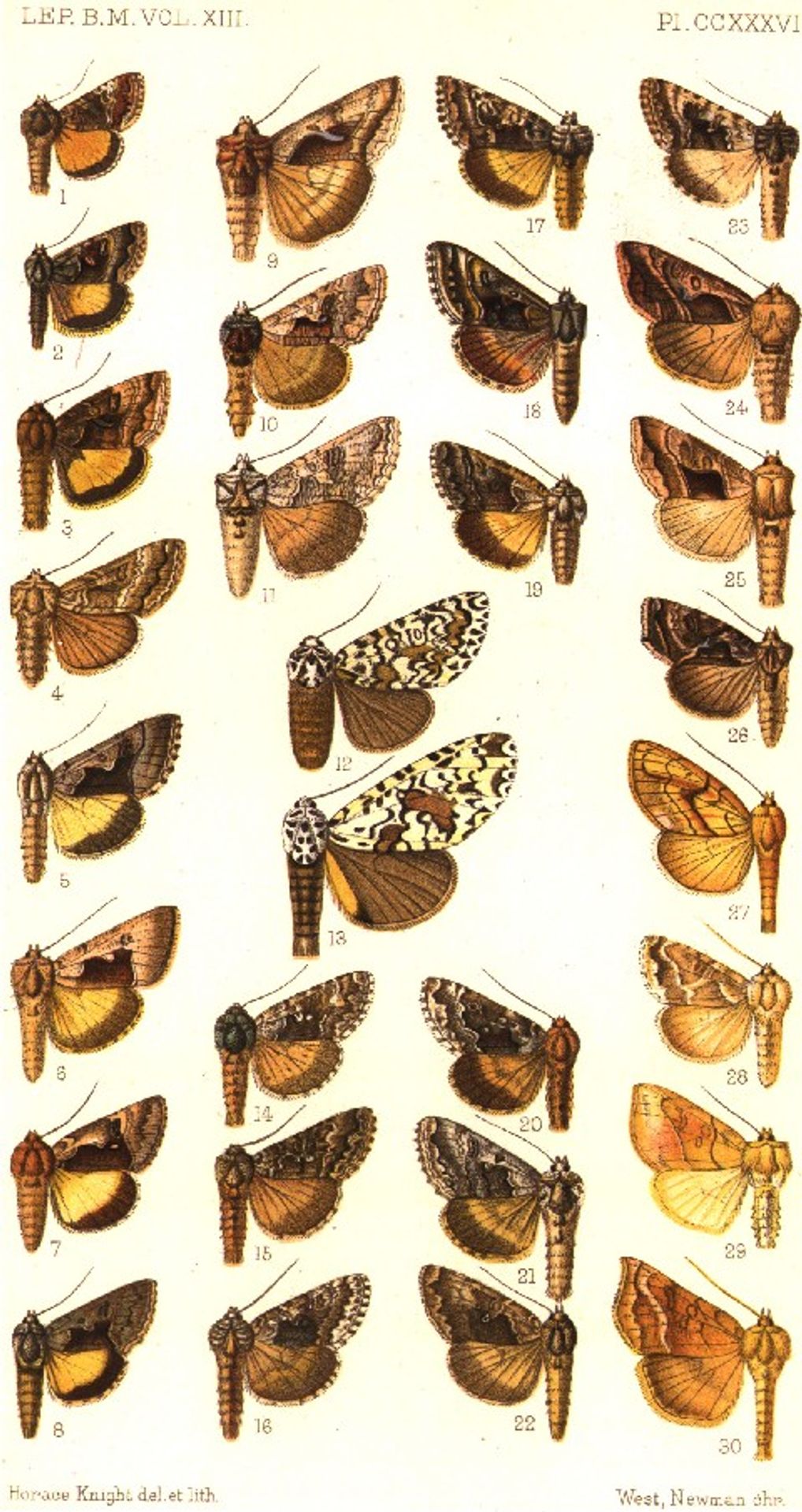
Syngrapha alticola is a small noctuid found in high-elevation and Arctic environments across North America. The occurs above treeline from Newfoundland to Alaska, with disjunct extending southward in the Rocky Mountains and Sierra Nevada to central California and Colorado. are active during mid-summer, with two per year in at least part of the range. The species is one of relatively few Lepidoptera specialized for life in alpine tundra .
Pronunciation
How to pronounce Syngrapha alticola: /sɪŋˈɡræfə ˌæltiˈkoʊlə/
These audio files are automatically generated. While they are not always 100% accurate, they are a good starting point.
Identification
The small size (26–27 mm wingspan) and strictly alpine/Arctic distribution help distinguish this from most other Syngrapha. The specific epithet 'alticola' (mountain-dwelling) reflects its association. Accurate identification to species level generally requires examination of genitalia or reference to regional faunal treatments.
Images
Appearance
Wingspan 26–27 mm. A small noctuid with the compact body typical of high-elevation .
Habitat
Alpine tundra and Arctic environments above the treeline. Occurs in mountain ranges at high elevation, including the Rockies and Sierra Nevada, as well as low-elevation Arctic tundra.
Distribution
North America: Arctic regions from Newfoundland to Alaska; southward in mountains to central California and Colorado.
Seasonality
on wing July to August, timing varying by location. Two per year.
Life Cycle
Two per year. Specific details of larval development and stage are not documented in available sources.
Similar Taxa
- Other Syngrapha speciesMost occur at lower elevations or in different geographic regions; S. alticola is distinguished by its strictly alpine/Arctic distribution and small size.
More Details
Original description
First described by Francis Walker in 1858 as Plusia alticola.