
Pseudeva palligera
(Grote, 1881)
Western Unspotted Looper
Pseudeva palligera is a noctuid of western North America, occurring from British Columbia and Alberta south through California. It is a member of the looper moth group within Plusiinae. The is characterized by relatively small size and unspotted wing patterning that distinguishes it from related . are attracted to light and have been documented in diverse including montane areas and riparian zones.

Pronunciation
How to pronounce Pseudeva palligera: //ˌpseudˈɛvə ˌpælɪˈdʒɪrə//
These audio files are automatically generated. While they are not always 100% accurate, they are a good starting point.
Identification
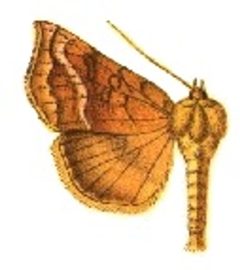
Distinguished from Pseudeva purpurigera (Straight-lined Looper) and other by the absence of prominent forewing spots or strong linear markings. The unspotted condition of the forewings is the primary diagnostic feature referenced in the . Specimens from montane may require examination of genitalia for definitive identification.
Images
Habitat
Recorded from montane areas of northern Idaho and adjacent Montana, western Oregon, and diverse elevations through California. Occurs in riparian with cottonwood groves and nearby wetlands, as well as prairie-edge situations.
Distribution
Western North America: British Columbia (including Vancouver Island), Alberta, south through Washington, Oregon, Idaho, Montana, and California to San Diego County.
Diet
Larvae probably feed on Thalictrum (meadow-rue).
Host Associations
- Thalictrum - probable larval feeding relationship inferred from related , not confirmed
Behavior
attracted to artificial light sources. activity pattern typical of Noctuidae.
Similar Taxa
- Pseudeva purpurigeraSimilar size and general appearance, but distinguished by bold straight-lined forewing pattern and 'mohawk' thoracic tufts
- Plusia and Autographa speciesOther Plusiinae loopers with spotted or marked forewings; P. palligera lacks such markings
More Details
Taxonomic note
Originally described as Deva palligera by Grote in 1881; subsequently transferred to Pseudeva.
Observation frequency
Relatively few documented observations (44 records on iNaturalist as of source date), suggesting either genuine rarity or undercollection due to cryptic appearance.