
Pseudeva purpurigera
(Walker, 1858)
Western Straight-lined Looper, Straight-lined Looper Moth
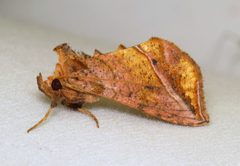
Pseudeva purpurigera, the Western Straight-lined Looper, is a noctuid found across western and eastern North America. display distinctive thoracic and abdominal tufts that give a 'mohawk' appearance. The has one annually, with adults active in mid-summer.
Pronunciation
How to pronounce Pseudeva purpurigera: /ˈsjuːdɛvə ˌpɜːrpjʊˈraɪdʒərə/
These audio files are automatically generated. While they are not always 100% accurate, they are a good starting point.
Identification
The combination of thoracic and abdominal tufts ('mohawk'), projecting labial palps ('horns'), and straight-lined forewing pattern distinguishes this from similar loopers. The 'Straight-lined Looper' refers to the forewing pattern. Distinguished from related Pseudeva species by geographic range and specific wing pattern elements, though precise diagnostic characters require examination.
Images
Habitat
Found in montane and submontane environments associated with the Rocky Mountains and adjacent regions. Occurs in areas where larval plant Thalictrum is present.
Distribution
Rocky Mountains from southwestern Alberta to New Mexico; extends east to New England and Newfoundland. Canadian records: Alberta, Manitoba, Saskatchewan. U.S. records: Vermont and broader New England, extending south through the Rocky Mountain states.
Seasonality
active July to August, with exact timing varying by location. One per year ().
Diet
Larvae feed on Thalictrum (meadow-rue, Ranunculaceae). feeding habits not documented.
Host Associations
- Thalictrum - larval food plant Ranunculaceae; includes meadow-rues
Life Cycle
One annually. stage not specified in available sources. emerge mid-summer.
Behavior
Attracted to artificial light sources. No other specific documented.
Ecological Role
Larval herbivore on Thalictrum. likely serves as prey for including bats and birds. Specific ecological interactions not documented.
Human Relevance
Subject of citizen science observation during National Week and similar events. No economic or agricultural significance documented.
Similar Taxa
- Pseudeva purpurascensSimilar , distinguished by range and wing pattern details
- Other Plusiinae loopersShare general 'looper' ; P. purpurigera distinguished by thoracic tufts and specific forewing line pattern
More Details
Taxonomic note
Originally described as Deva purpurigera by Francis Walker in 1858; later transferred to Pseudeva.
Observation context
Has been documented at lighting events in Colorado, including at Cheyenne Mountain State Park and Chico Basin Ranch.