
Enigmogramma basigera
(Walker, 1865)
Pink-washed Looper, Pink-washed Looper Moth
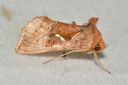
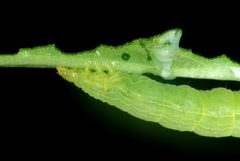
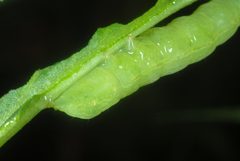
Enigmogramma basigera, commonly known as the pink-washed looper, is a noctuid first described by Francis Walker in 1865. It is a relatively small moth with a wingspan of 28–33 mm. The is notable for its limited larval records—only two specimens have been documented, both reared on Hydrocotyle umbellata. It belongs to the Plusiinae, a group often referred to as loopers due to their characteristic looping locomotion as caterpillars.
Pronunciation
How to pronounce Enigmogramma basigera: //ˌɛnɪɡməˈɡræmə bəˈsɪdʒərə//
These audio files are automatically generated. While they are not always 100% accurate, they are a good starting point.
Identification
Can be distinguished from other Enigmogramma and similar plusiine moths by its specific wing pattern and coloration, though detailed diagnostic features are not well documented. The small size and eastern/central US distribution help narrow identification. The pink-washed appearance of the forewings is a key field mark suggested by the .
Images
Habitat
Specific preferences are not well documented. Based on the known larval Hydrocotyle umbellata (a semi-aquatic plant), the likely occurs in moist environments including wetlands, pond margins, and other areas where this plant grows.
Distribution
Eastern and central United States, south to Mexico. Caribbean distribution includes Guadeloupe, Martinique, St. Kitts, and Montserrat. South American records extend to French Guiana.
Seasonality
are active from June to September.
Diet
Larvae have been documented feeding on Hydrocotyle umbellata (pennywort, a plant in the Araliaceae). feeding habits are not documented.
Host Associations
- Hydrocotyle umbellata - larval plantOnly two larvae known, both reared on this
Life Cycle
Complete typical of Lepidoptera. Specific details of , larval instars, , and are not documented beyond the limited larval rearing records.
Behavior
are and attracted to light. Larvae exhibit looping locomotion characteristic of Plusiinae, moving by arching the middle portion of the body.
Ecological Role
Larval herbivore, potentially contributing to nutrient cycling in wetland through consumption of Hydrocotyle umbellata. Specific ecological impacts are not documented.
Human Relevance
Not considered an agricultural pest. Occasionally encountered by naturalists and enthusiasts. The limited larval records suggest it is not commonly collected or studied.
Similar Taxa
- Other Enigmogramma speciesSame , requiring examination of wing pattern and genitalia for definitive identification
- Other Plusiinae (loopers)Similar body shape and larval locomotion; distinguished by specific wing markings and distribution
More Details
Taxonomic history
Originally described as Plusia basigera by Walker in 1865, later transferred to Enigmogramma.
Research gaps
of this is poorly known due to extremely limited larval records. Basic information including oviposition sites, , and longevity remains undocumented.