Charadra
Walker, 1865
Species Guides
2- Charadra deridens(Laugher Moth)
- Charadra dispulsa
Charadra is a of in the Noctuidae, Pantheinae, established by Francis Walker in 1865. in this genus are primarily found in North America, with records from the northeastern United States including Vermont. The genus is part of the diverse Noctuoidea superfamily, which contains many economically significant and ecologically important moth species.
Pronunciation
How to pronounce Charadra: /kʰaˈra.dra/
These audio files are automatically generated. While they are not always 100% accurate, they are a good starting point.
Identification
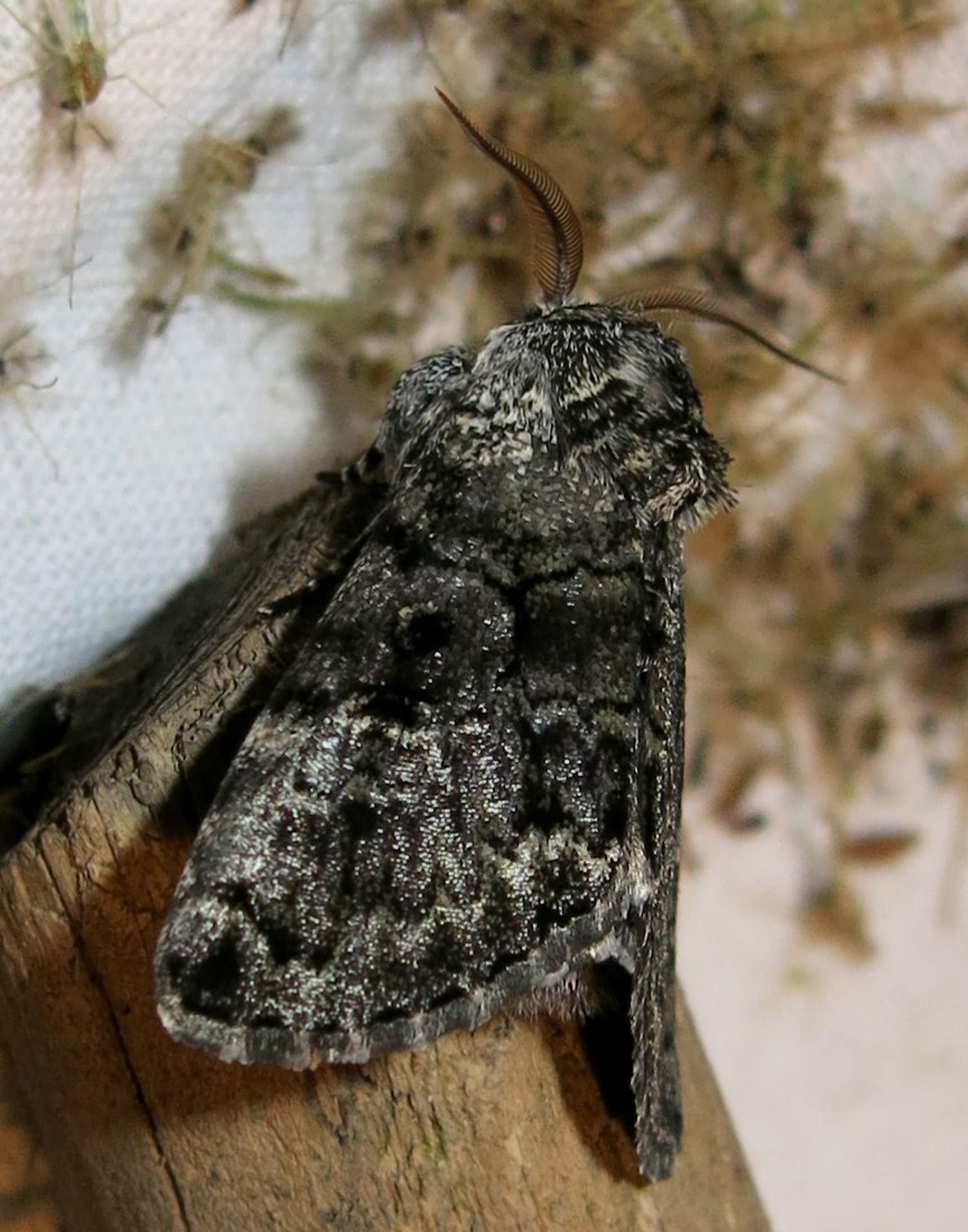
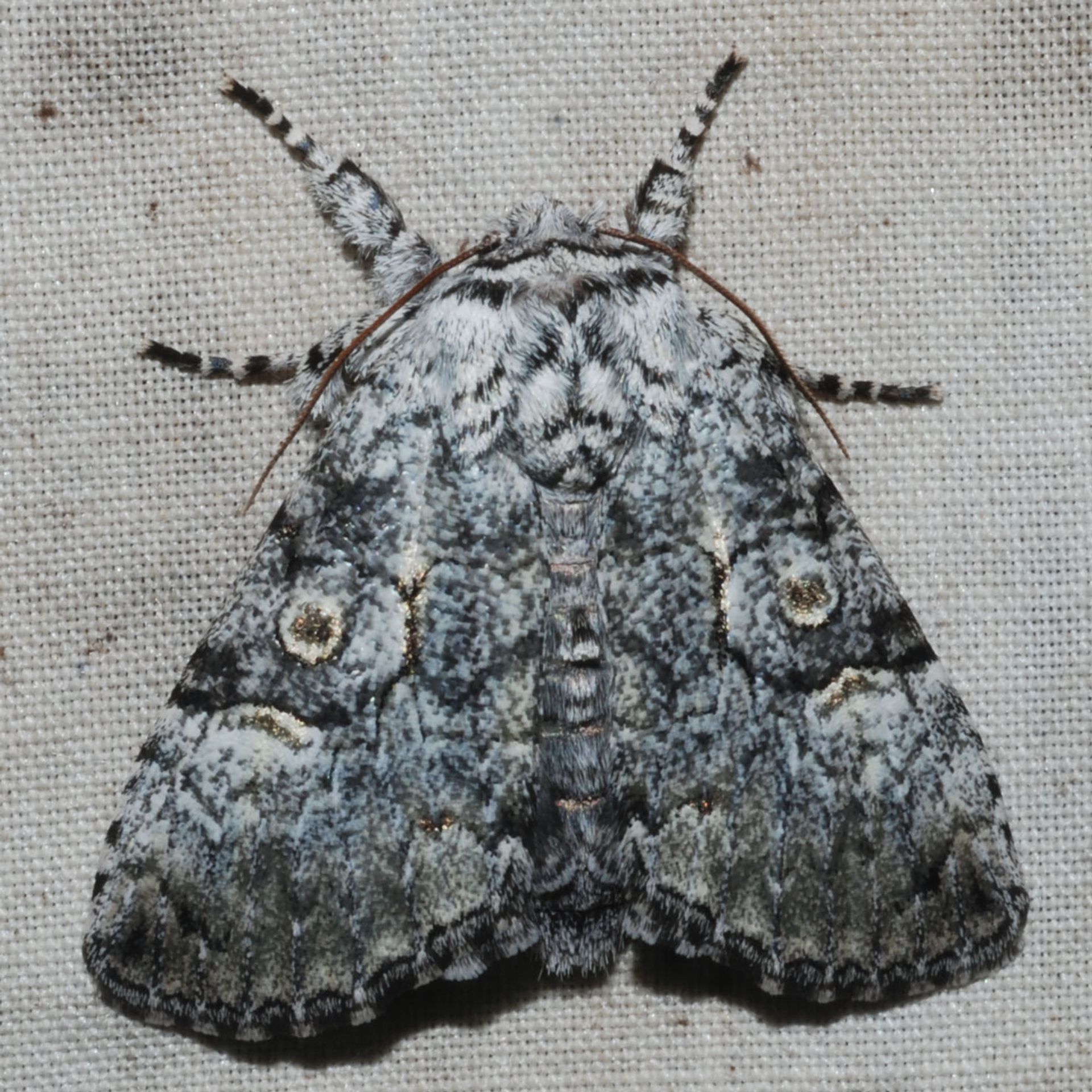
Charadra can be distinguished from other Pantheinae by genitalic characters, particularly in the male valvae and female signum. generally exhibit the typical Noctuidae resting posture with wings folded roof-like over the body. Specific external morphological features distinguishing Charadra from related genera such as Panthea and Raphia require examination of wing pattern details and body scaling.
Images
Distribution
North America; documented from the northeastern United States including Vermont, with broader distribution across the US based on GBIF records.
Similar Taxa
- PantheaBoth belong to Pantheinae and share similar overall body plan; separation requires examination of male genitalia, particularly the structure of the valvae and .
- RaphiaAnother Pantheinae with superficially similar forewing patterns; distinguished by differences in wing venation and genitalic .
More Details
Taxonomic placement
Charadra is placed in the Pantheinae within Noctuidae, a group characterized by larvae that often feed on woody plants and that frequently show in structure.
Data availability
The is relatively well-represented in citizen science platforms with over 7,000 iNaturalist observations, though many records may be identified only to genus level pending -level verification.