Sympistis riparia
Morrison, 1875
dune sympistis, dune oncocnemis
Sympistis riparia is a noctuid native to North America, first described by Herbert Knowles Morrison in 1875. The is known by two : dune sympistis and dune oncocnemis. It holds conservation significance, having been designated as a species of special concern in both Massachusetts and Connecticut. The specific epithet 'riparia' suggests an association with riverbank or shoreline , though this ecological connection has not been explicitly documented in available sources.
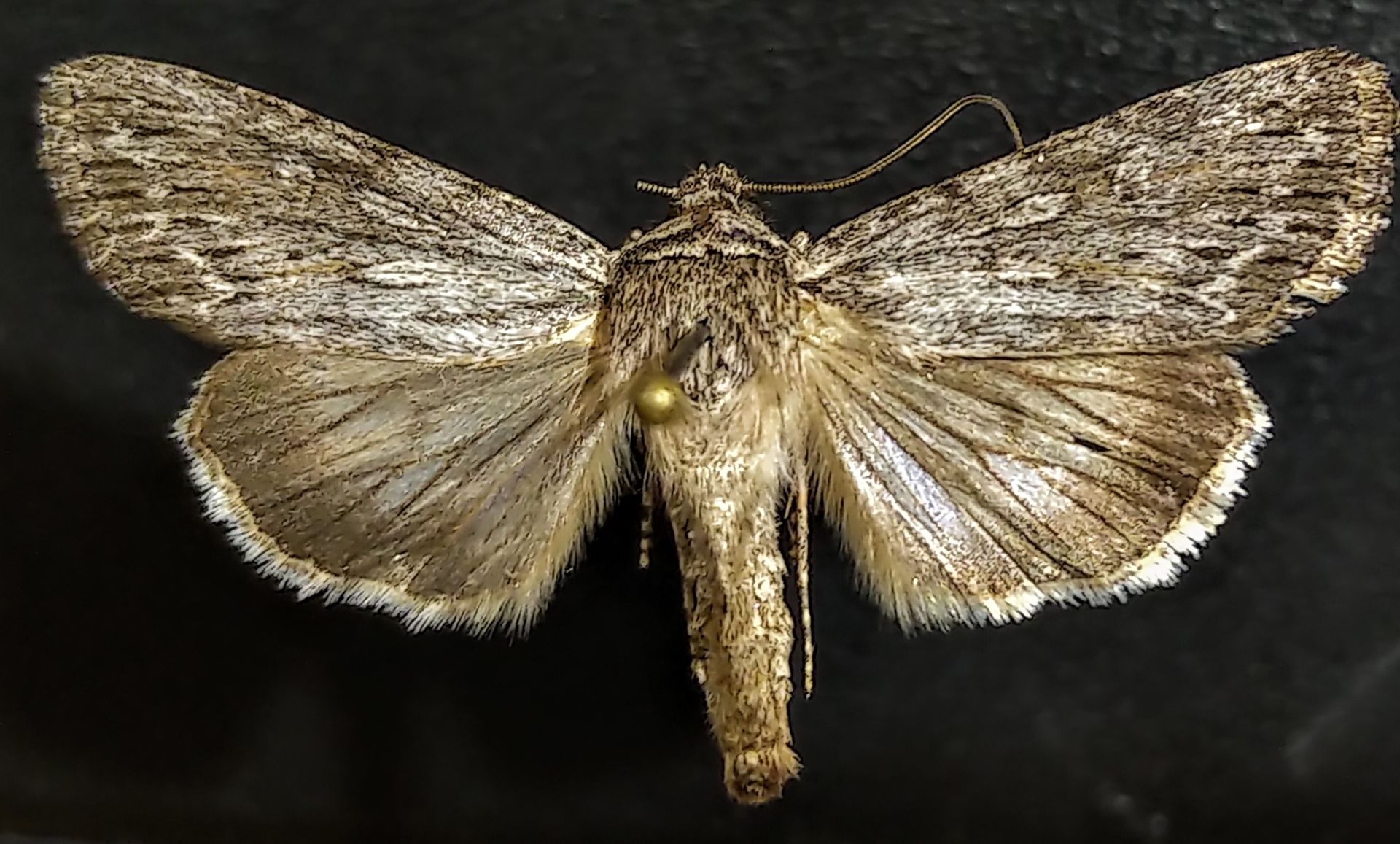
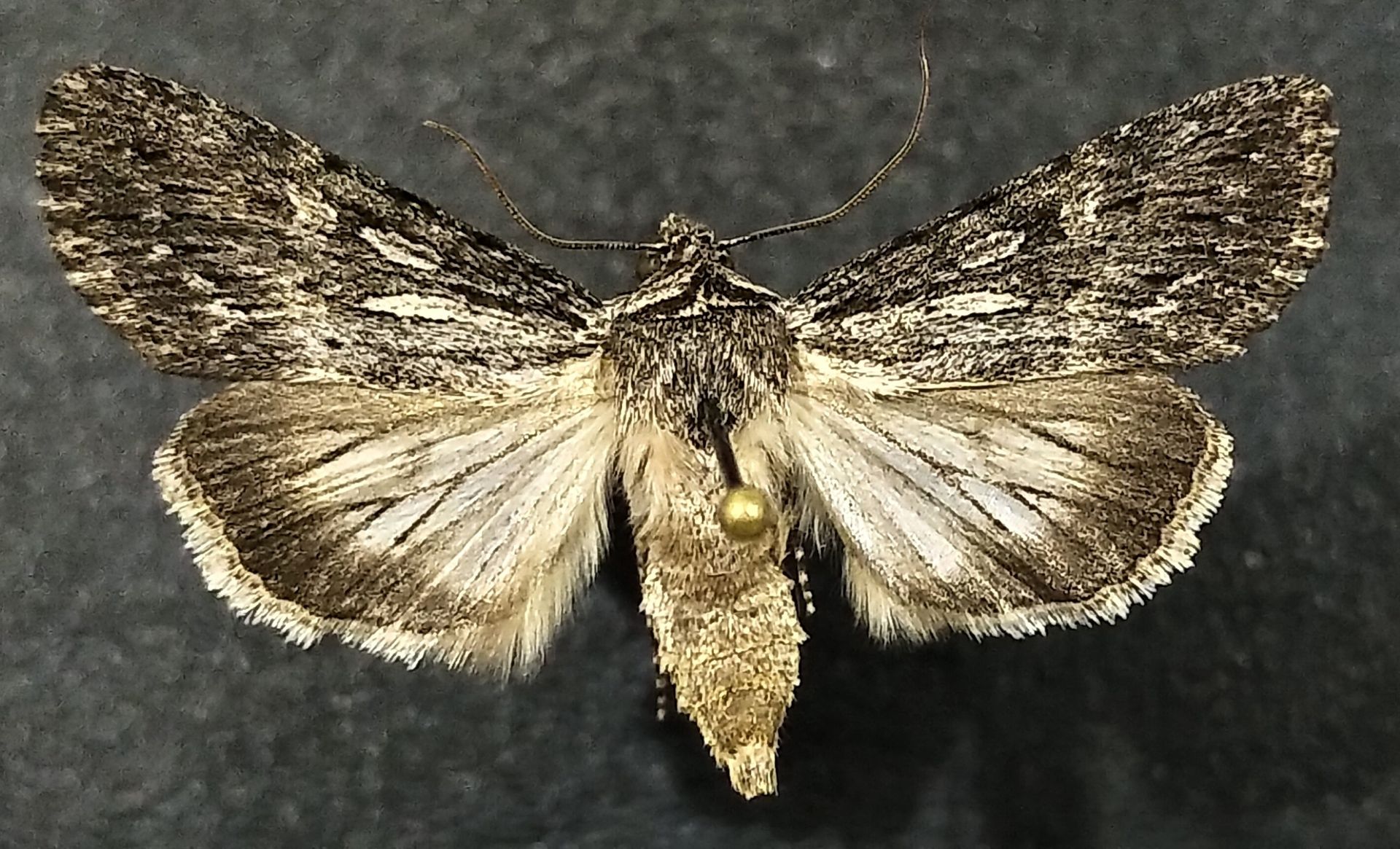
![Sympistis riparia (10.3897-zookeys.661.10867) Figure 8 by [Photo: P. Goldstein] Goldstein PZ, Nelson MW (2017) Two psammophilic noctuids newly associated with beach plum, Prunus maritima (Rosaceae): The Dune Noctuid (Sympistis riparia) and Coastal Heathland Cutworm (Abagrotis benjamini) in Northeastern North America (Lepidoptera, Noctuidae). ZooKeys 661: 61-89. https://doi.org/10.3897/zookeys.661.10867. Used under a CC BY 4.0 license.](https://bugswithmike.nyc3.digitaloceanspaces.com/wikipedia/arthropoda/hexapoda/insecta/lepidoptera/noctuoidea/noctuidae/oncocnemidinae/sympistis/riparia/Sympistis_riparia_%2810.3897-zookeys.661.10867%29_Figure_8.jpg)
Pronunciation
How to pronounce Sympistis riparia: //sɪmˈpɪstɪs rɪˈpɛəriə//
These audio files are automatically generated. While they are not always 100% accurate, they are a good starting point.
Images
Distribution
Native to North America. Documented from Canadian provinces of Alberta, Manitoba, and Saskatchewan. Listed as a of special concern in Massachusetts and Connecticut, indicating presence in the northeastern United States. The iNaturalist database records 72 observations of this species.
Human Relevance
Listed as a of special concern in Massachusetts and Connecticut, indicating regulatory recognition of potential conservation needs. No other documented human interactions.
More Details
Conservation Status
The holds official conservation designation in two U.S. states. In Massachusetts and Connecticut, it is classified as a species of special concern, which typically indicates that the species is uncommon, has limited distribution, or threats that warrant monitoring. This status does not confer the same protections as endangered or threatened listings but signals potential vulnerability.