Sympistis chionanthi
J.E. Smith, 1797
Fringe-tree Sallow, Grey O Moth
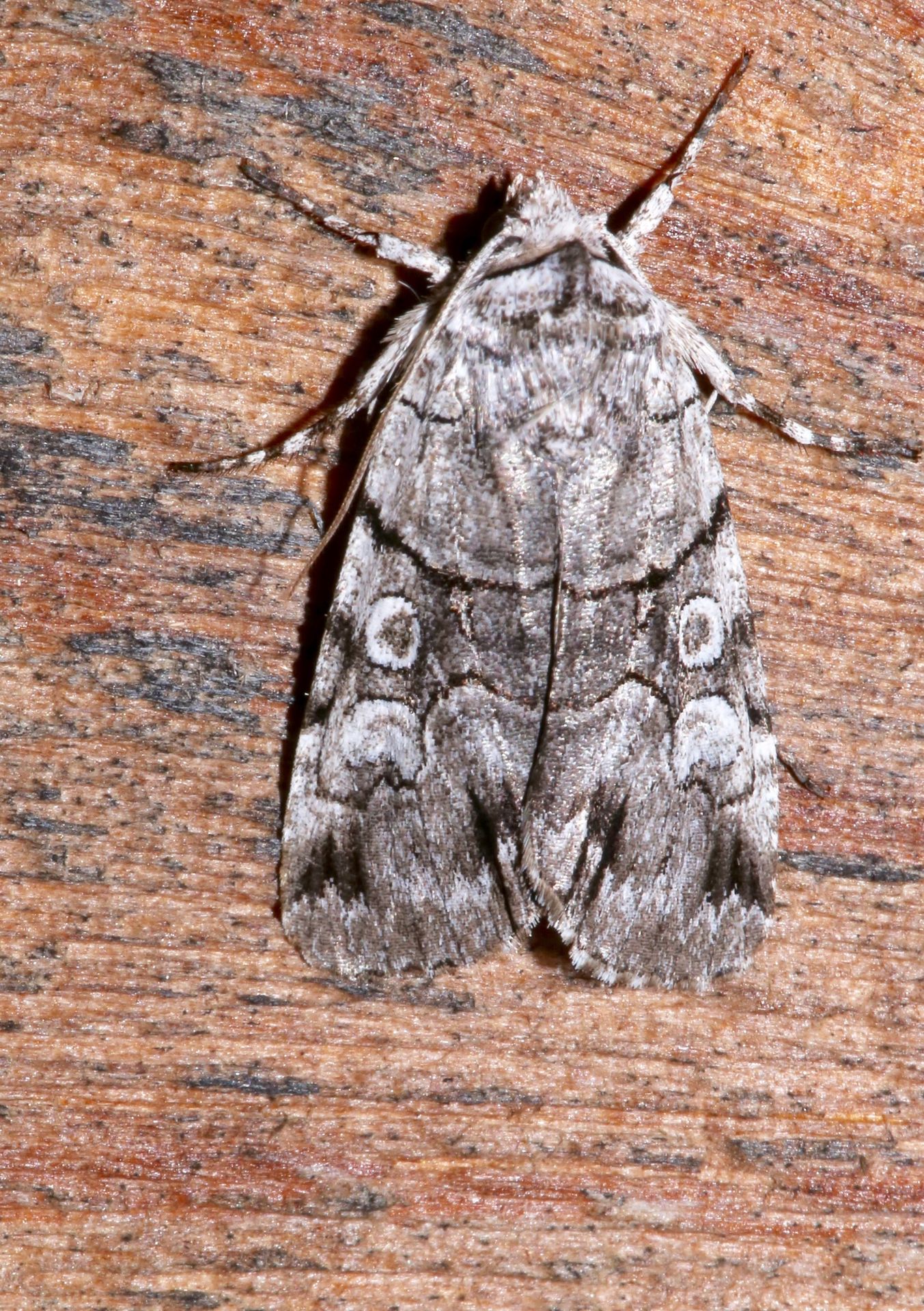
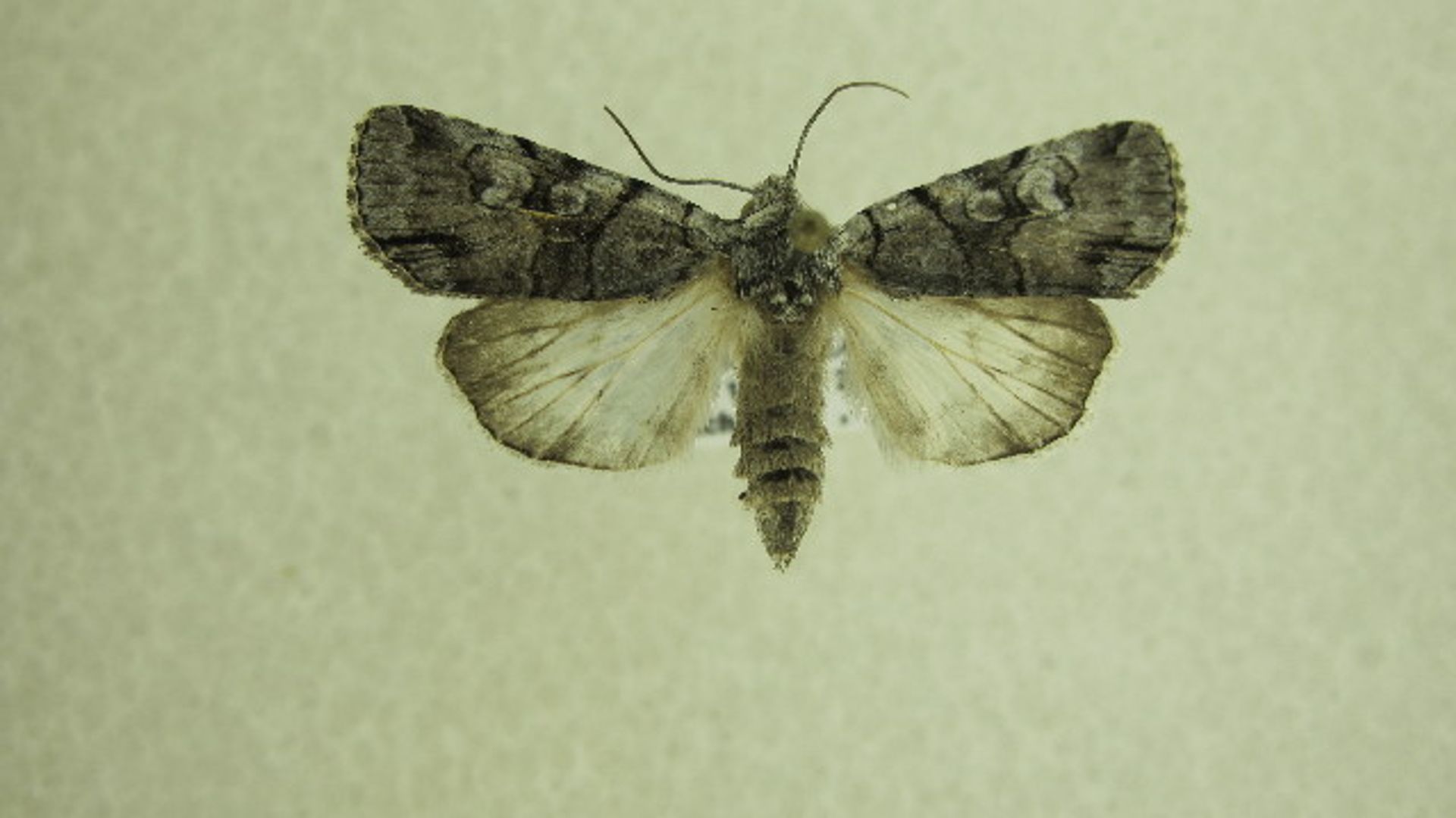
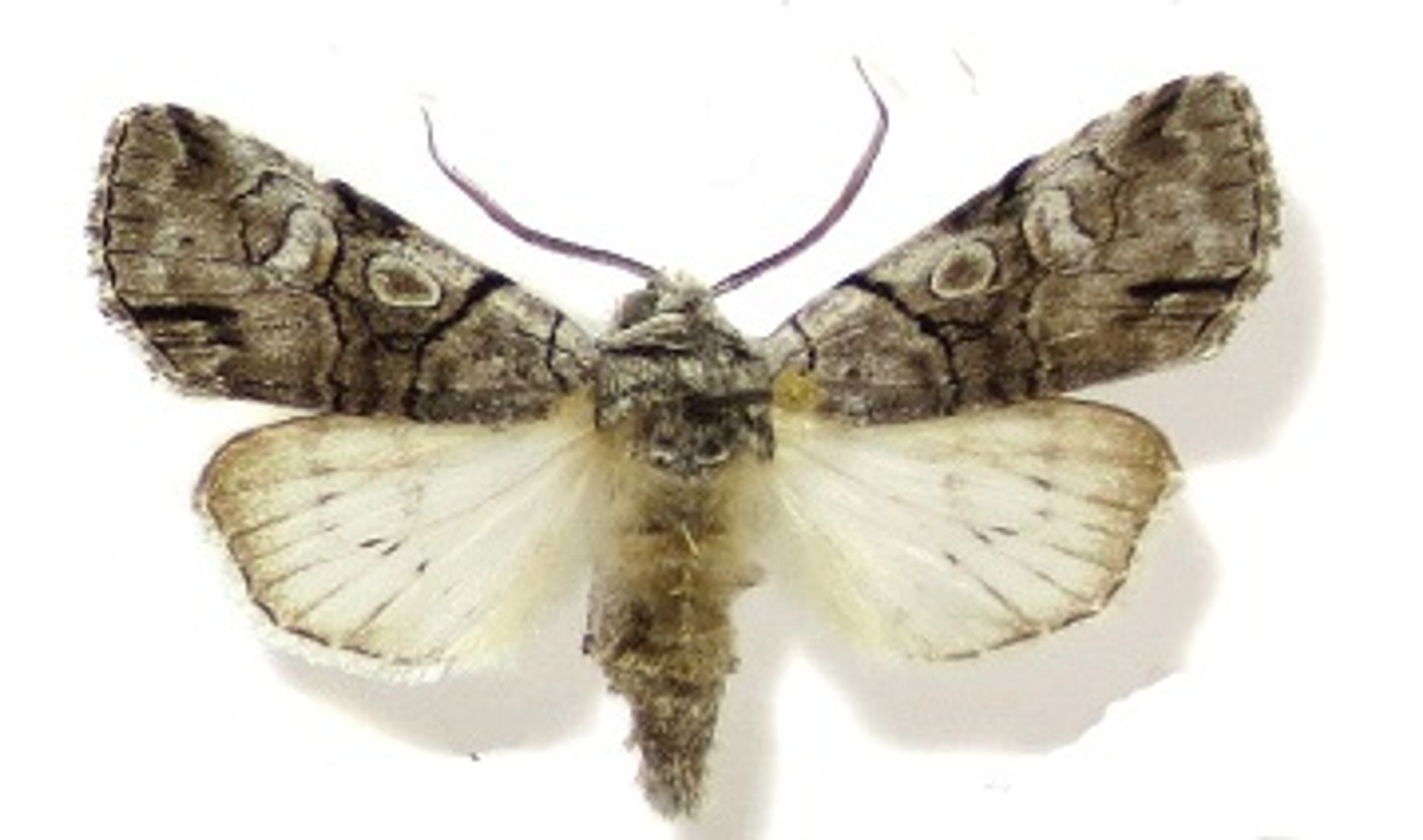
Sympistis chionanthi is a noctuid with a wingspan of 33–38 mm. are active from August to October in a single . The is associated with deciduous woodlands across eastern and central North America.
Pronunciation
How to pronounce Sympistis chionanthi: //sɪmˈpɪstɪs kiˈoʊnænθaɪ//
These audio files are automatically generated. While they are not always 100% accurate, they are a good starting point.
Identification
Medium-sized grey noctuid . The 'Grey O Moth' refers to a distinctive marking pattern. Distinguishable from related Sympistis by association with Fraxinus and Chionanthus plants and late-season period (August–October).
Images
Habitat
Deciduous woodlands, including riparian woodlands. Also occurs in plantations and farmyard shelterbelts.
Distribution
North America: from North Dakota to Nova Scotia, south to at least Virginia and Kansas. Canadian records from Alberta, Manitoba, and Saskatchewan.
Seasonality
: August to October (one per year). Larvae: May and June.
Diet
Larvae feed on Fraxinus (ash) and Chionanthus , including Chionanthus virginicus (fringe tree). Possibly other Oleaceae species.
Host Associations
- Fraxinus - larval food plantMultiple
- Chionanthus virginicus - larval food plantPrimary , referenced in
Life Cycle
: one per year. emerge August–October; larvae present May–June. stage not specified in sources.
Similar Taxa
- Other Sympistis speciesGrey noctuid require plant association and timing for differentiation; S. chionanthi specifically tied to Oleaceae hosts and late-season activity
More Details
Nomenclature
Originally described as Phalaena chionanthi by James Edward Smith in 1797. Basionym reflects early classification under the broad Phalaena.
Etymology
Specific epithet 'chionanthi' refers to Chionanthus, the primary larval (fringe tree).