
Neogalea
Hampson, 1906
Catabena moth, Lantana stick moth
Species Guides
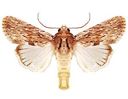
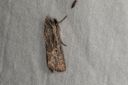
1- Neogalea sunia(Lantana Stick Moth)
Neogalea is a of in the Noctuidae, containing the single Neogalea sunia. The genus was described by Hampson in 1906. The sole species has been widely introduced outside its native range as a agent.
Pronunciation
How to pronounce Neogalea: /ˌne.oʊˈɡæ.liə/
These audio files are automatically generated. While they are not always 100% accurate, they are a good starting point.
Identification
As a , identification relies on recognizing the single Neogalea sunia. The genus can be distinguished from related noctuine genera by the combination of its monotypic status and the specific morphological features of its sole species, including a wingspan of approximately 33 mm.
Images
Distribution
Native range extends from the southern United States through the Caribbean (including Guadeloupe and Martinique) to Argentina. Introduced established in Australia (first recorded on Norfolk Island in 1962, now common in Queensland and northern New South Wales) and Hawaii.
Host Associations
- Lantana species - larval Larvae feed on
Ecological Role
The sole has been employed as a agent for , an plant in introduced regions. In its native range, it functions as a herbivore on Lantana species.
Human Relevance
Intentionally introduced to Australia and Hawaii for of plants. The 1962 introduction to Norfolk Island marked the beginning of its establishment in Australia, where it has since spread and become common in parts of Queensland and northern New South Wales.
Similar Taxa
- Other Noctuinae generaNeogalea is distinguished by its status; most related contain multiple . Specific wing patterns and genitalic separate N. sunia from superficially similar noctuine .
More Details
Taxonomic status
The remains since its description, with no additional described.
Introduction history
The Australian introduction in 1962 on Norfolk Island represents a documented case of intentional release, with subsequent natural range expansion to mainland Australia.