
Brachylomia
Hampson, 1906
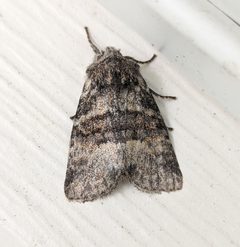
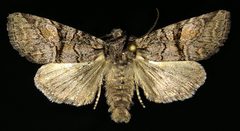
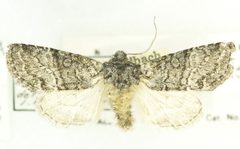
Minor Shoulder-knot (B. viminalis)
Species Guides
10Brachylomia is a of small noctuid in the tribe Xylenini, containing approximately 17 described . The genus occurs across the Holarctic region, with species distributed in North America, Europe, and Asia. Brachylomia viminalis, the Minor Shoulder-knot, is the best-known species and serves as the primary reference for understanding the genus. Most species are associated with damp and willow-dominated vegetation.
Pronunciation
How to pronounce Brachylomia: /ˌbræ.kɪˈloʊ.mi.ə/
These audio files are automatically generated. While they are not always 100% accurate, they are a good starting point.
Identification
in this are small with forewing lengths typically 13–15 mm. Brachylomia viminalis shows diagnostic short black streaks at the base of the forewing on a light grey ground color, though coloration is variable. North American species were revised in 2007, distinguishing four new species based on genitalia and external characters.
Images
Habitat
Damp , particularly those supporting willow (Salix). Associated with riparian zones, wetlands, and other moist environments where plants grow.
Distribution
Holarctic distribution: widespread across the Palaearctic from Europe to Japan; North America including the United States (Vermont) and Canada; Scandinavian countries (Denmark, Norway, Sweden).
Seasonality
active during summer months; B. viminalis flies in July and August.
Diet
Larvae feed on terminal shoots and leaves of willow (Salix), particularly grey willow (Salix cinerea). Feeding is in later larval stages.
Host Associations
- Salix cinerea - primary larval plantgrey willow
- Salix - larval plant wide variety of willow
Life Cycle
laid singly or in small groups on willow twigs; overwinters as egg; eggs hatch in spring; larvae initially feed on terminal shoots, later stages feed nocturnally and hide by day in spinnings on leaves; in leaf litter or just under soil surface.
Behavior
attracted to light. Adults feed at flowers during season. Larvae hide by day in silk spinnings on leaves of terminal shoots.
Ecological Role
Larval herbivore on willows; contributes to nutrient cycling through leaf consumption and processing.
Human Relevance
B. viminalis has declined significantly in Britain since the 1970s and is classified as 'near-threatened' there. Subject of sequencing research (782.2 Mb chromosomal assembly).
Similar Taxa
- Other Xylenini generaSimilar small size and noctuid ; distinguished by genitalia characters and forewing pattern elements such as the basal black streaks in B. viminalis.