Xestia quieta
(Hübner, 1813)
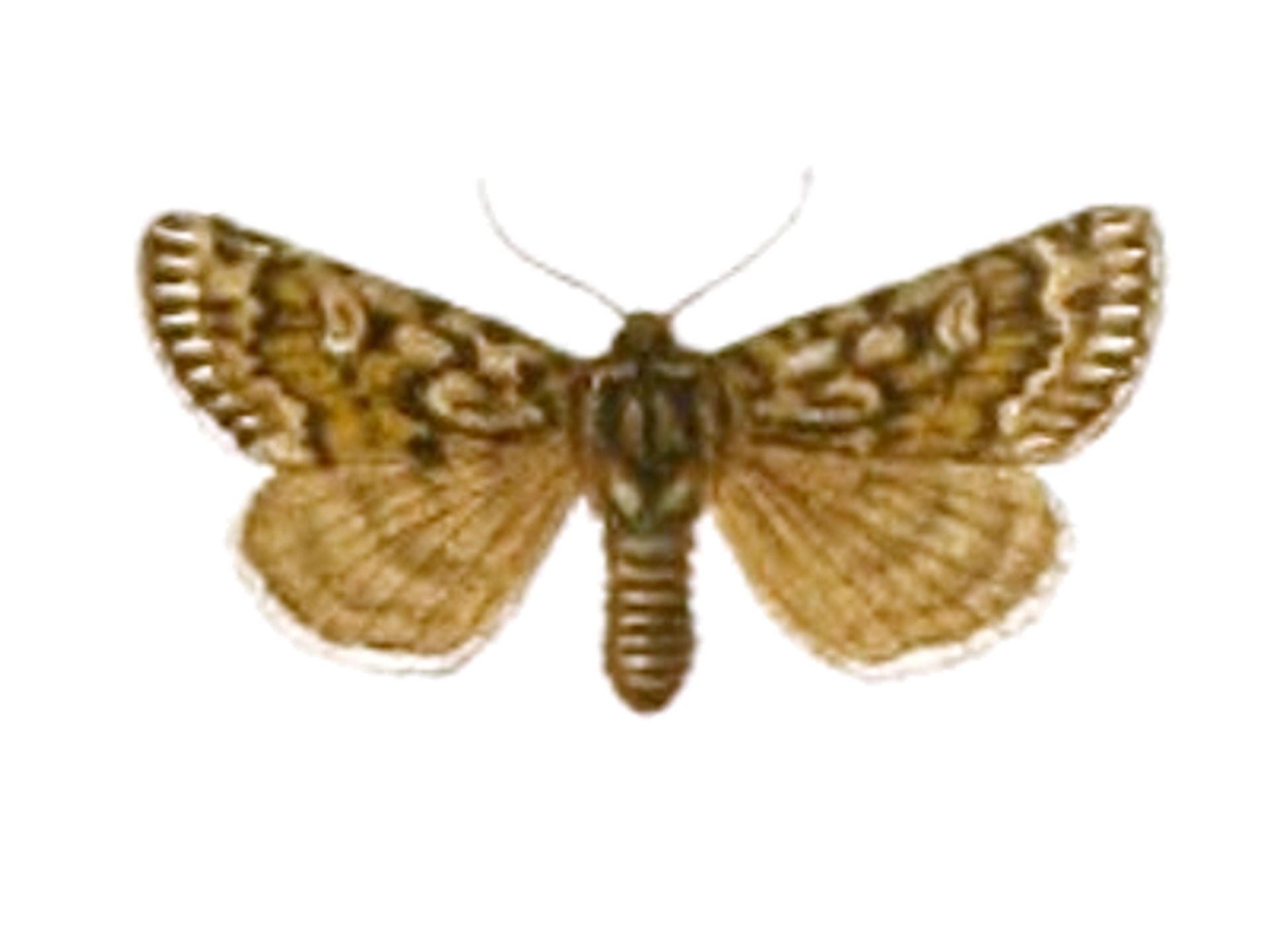
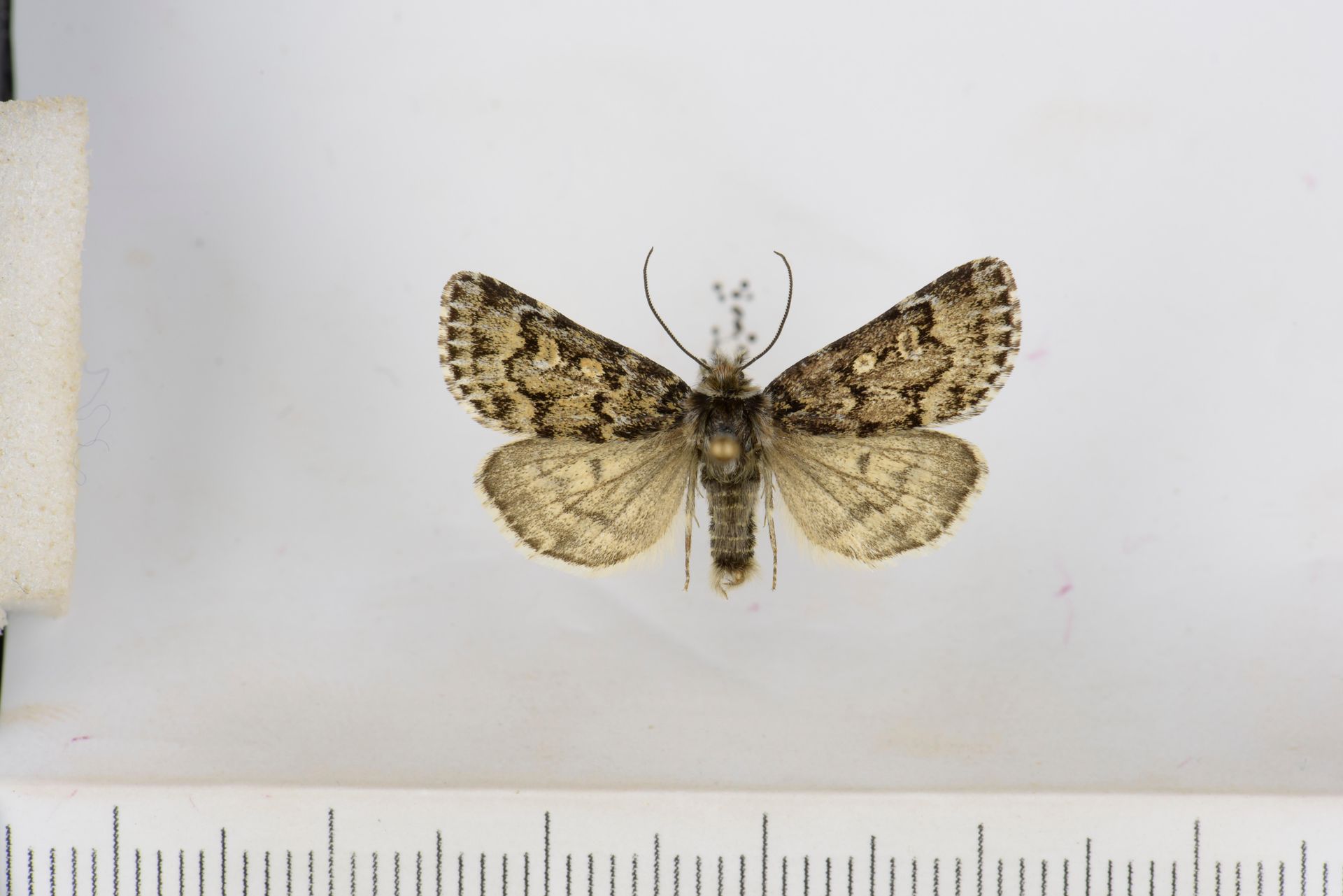
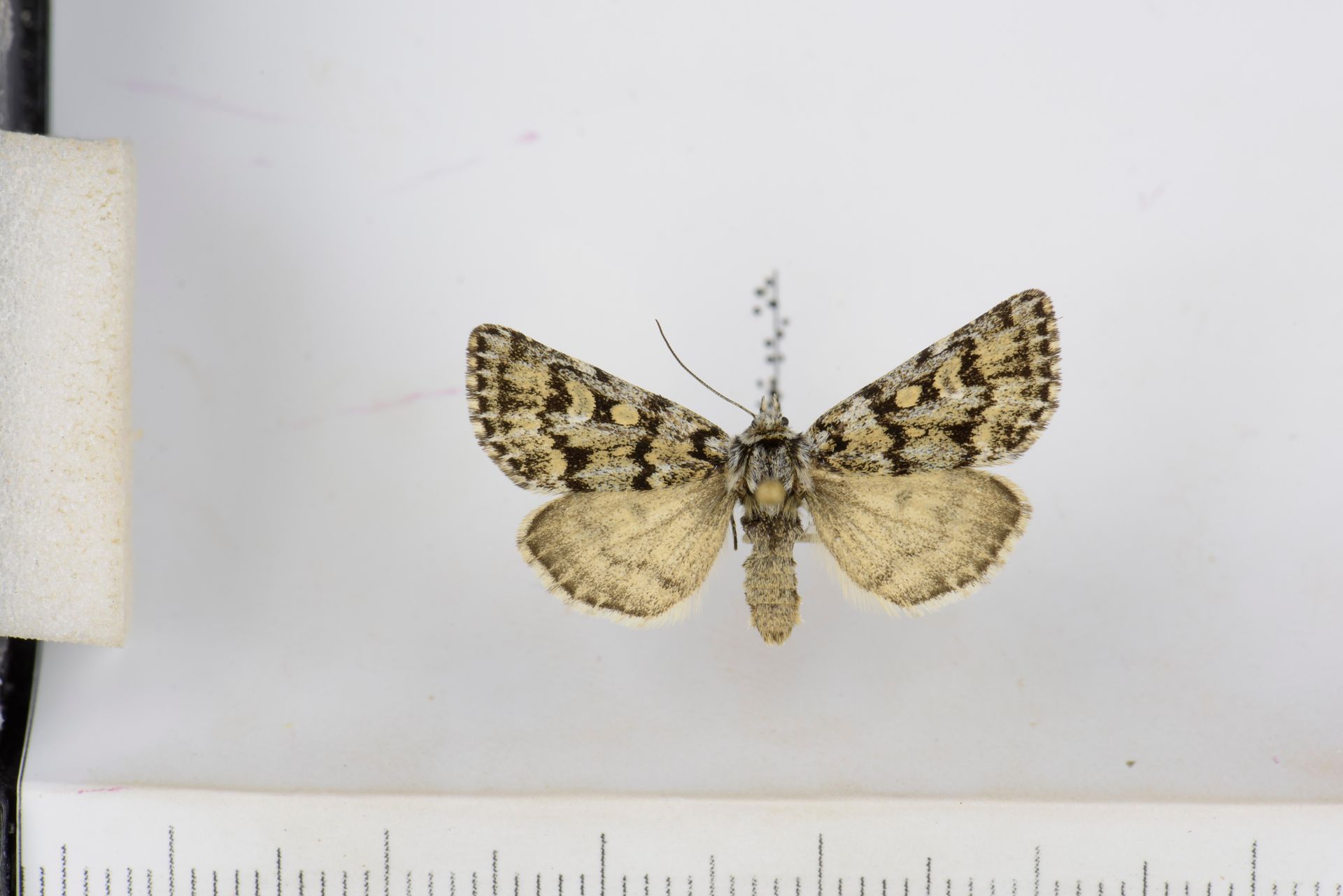
Xestia quieta is a noctuid distributed across northern and arctic regions of Eurasia and North America. are active in mid-summer, with periods recorded in June and July. The is characterized by a relatively small wingspan of 25–29 mm. Larval associations remain uncertain, though Empetrum species have been suggested as possible food plants.
Pronunciation
How to pronounce Xestia quieta: /ˈksɛstiə kwiˈɛta/
These audio files are automatically generated. While they are not always 100% accurate, they are a good starting point.
Identification
Distinguished from similar Xestia by geographic distribution in northern and arctic zones combined with timing in June–July. The small size (wingspan 25–29 mm) and specific wing patterns may aid identification, though detailed diagnostic features are not documented in available sources.
Images
Appearance
Small noctuid with wingspan of 25–29 mm. Specific wing pattern and coloration details are not documented in available sources.
Habitat
Northern and arctic environments. Specific microhabitat preferences are not documented.
Distribution
Northern Scandinavia, northern Siberia, and northern North America including Nunavut, Northwest Territories, Yukon, and Manitoba.
Seasonality
on wing in June and July in Sweden. Specific timing for other parts of the range is not documented.
Diet
Larvae possibly feed on Empetrum .
Host Associations
- Empetrum - possible larval food plantFeeding association is tentative and not confirmed
Similar Taxa
- Other Xestia speciesSimilar general ; distinguished by geographic range, size, and period
More Details
Subspecies
Two recognized: Xestia quieta quieta (nominate) and Xestia quieta constricta (Walker, 1857)