Xestia praevia
Lafontaine, 1998
Praevia Dart
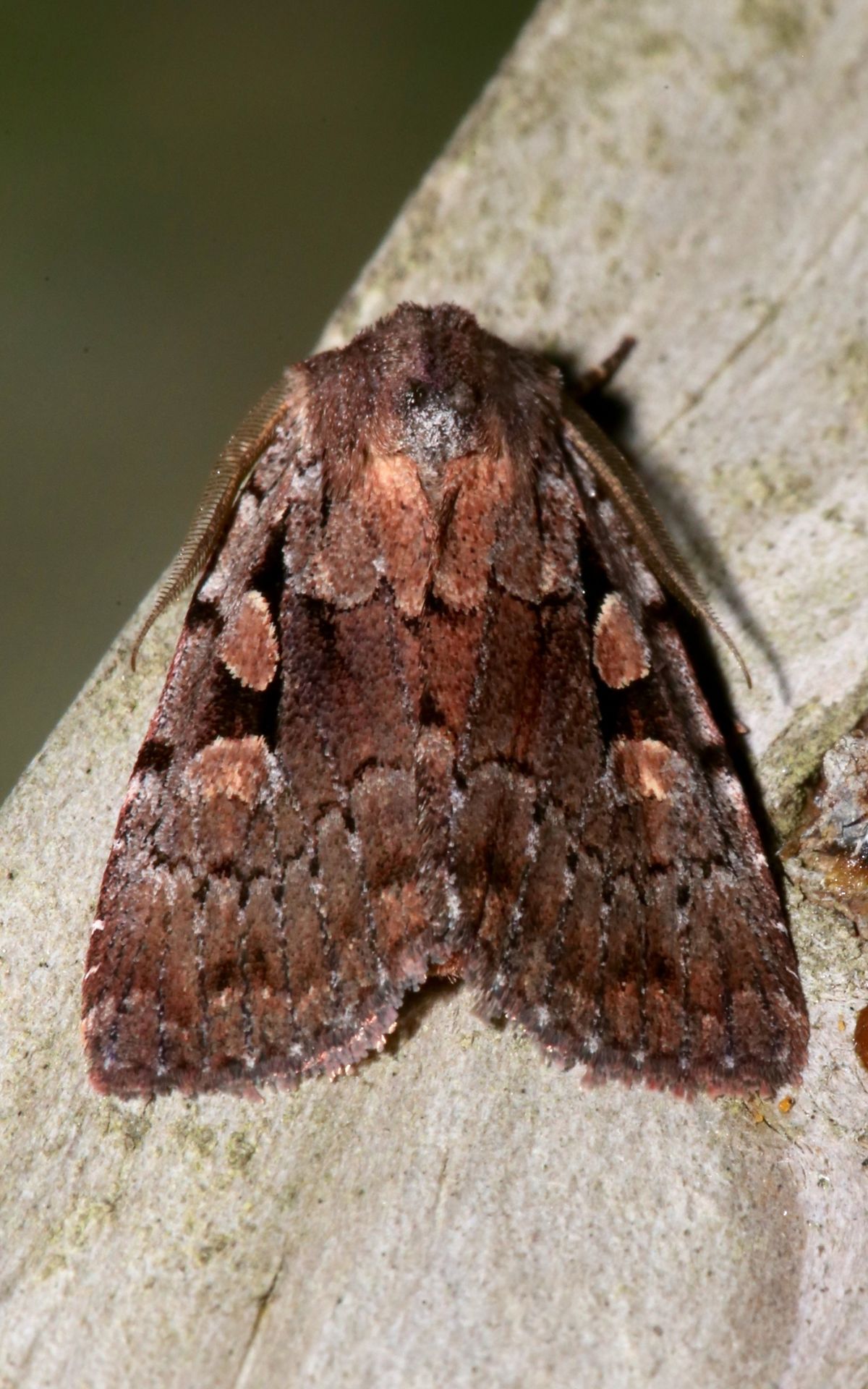
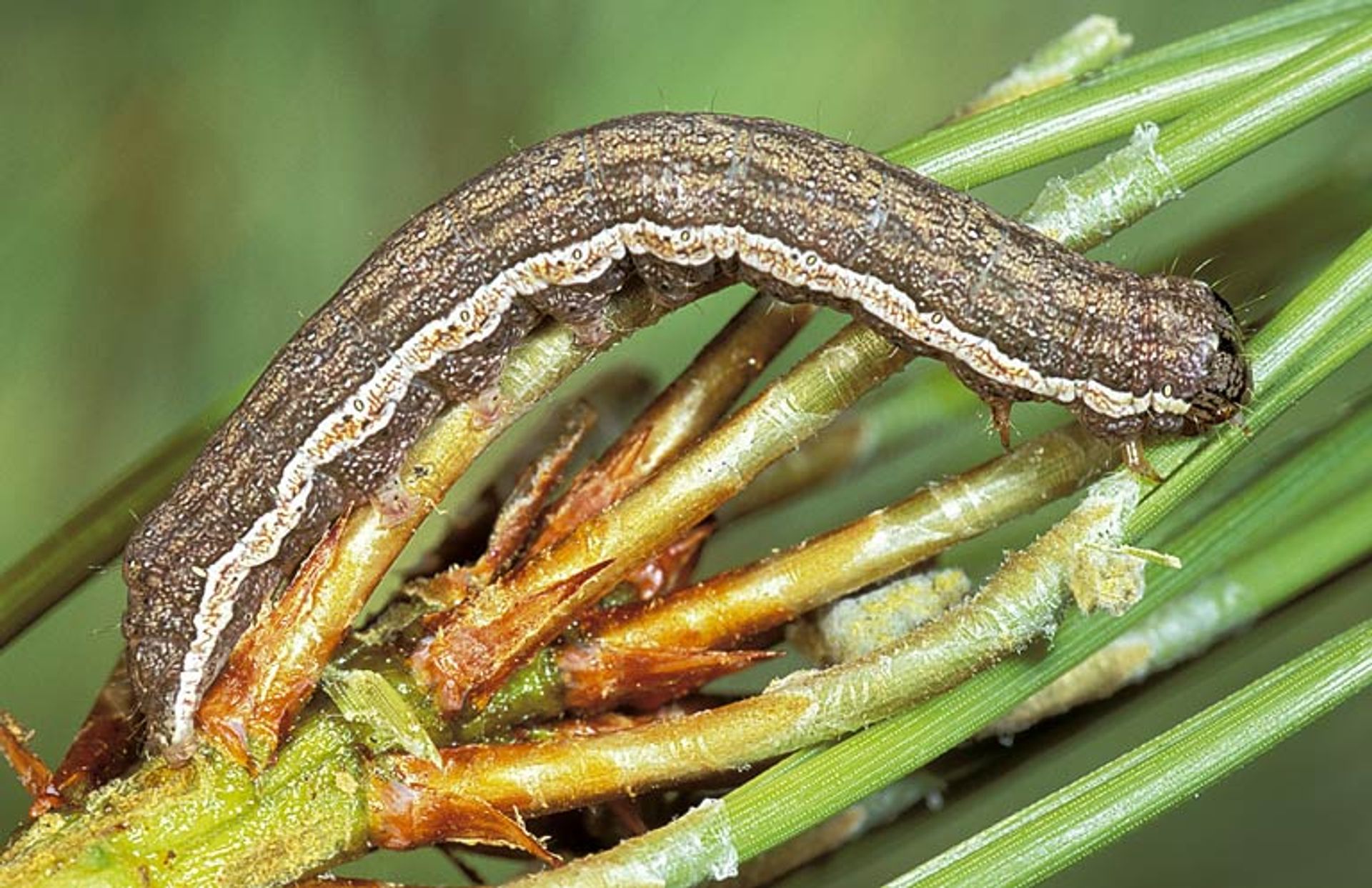
Xestia praevia is a noctuid native to western North America, ranging from Canada to California. It belongs to the elimata group, within which genetic and morphological studies suggest it may not be distinguishable from Xestia elimata and Xestia badicollis. The species is associated with ponderosa pine forests, where its larvae feed on Pinus ponderosa. are active during mid-summer.
Pronunciation
How to pronounce Xestia praevia: /ˈzɛs.ti.a ˈpreɪ.vi.a/
These audio files are automatically generated. While they are not always 100% accurate, they are a good starting point.
Identification
Cannot be reliably distinguished from Xestia elimata or Xestia badicollis based on external or genitalia; analysis also shows no significant differences among these three . Identification to species level within this group may require additional evidence or be considered provisional.
Images
Appearance
Wingspan approximately 32 mm. As a member of the elimata group, it shares general characteristics with related Xestia species, though specific diagnostic external features distinguishing it from Xestia elimata and Xestia badicollis have not been documented.
Habitat
Associated with coniferous forests dominated by ponderosa pine (Pinus ponderosa). The occupies montane and foothill environments in western North America.
Distribution
Canada: New Brunswick, Quebec, Manitoba, Saskatchewan, Alberta, British Columbia. United States: south to California.
Seasonality
fly from July to August, with timing varying by location.
Diet
Larva feeds on Pinus ponderosa (ponderosa pine). feeding habits are unknown.
Host Associations
- Pinus ponderosa - larval food plantsole documented
Ecological Role
Larva functions as a folivore on ponderosa pine. Role in as prey for and other natural enemies is likely but not documented.
Human Relevance
No documented economic or ecological significance to humans. Not known to be a forestry pest.
Similar Taxa
- Xestia elimataGenetically and morphologically indistinguishable; may represent the same
- Xestia badicollisGenetically and morphologically indistinguishable; may represent the same
More Details
Taxonomic Uncertainty
Three in the elimata group—Xestia praevia, X. elimata, and X. badicollis—show no significant differences in genital or . This suggests they may constitute a single species, though they are currently maintained as separate pending further study.