
Tesagrotis
Lafontaine, 1998
Species Guides
4Tesagrotis is a of noctuid established by Lafontaine in 1998. The genus contains four described distributed in western North America. Species in this genus were previously classified under other genera before taxonomic revision. are and belong to the diverse owlet moth Noctuidae.
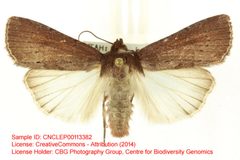
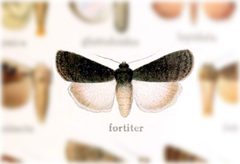
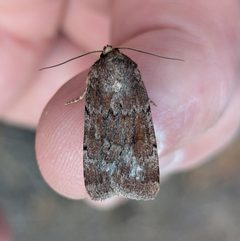
Pronunciation
How to pronounce Tesagrotis: /tɛsəˈɡroʊtɪs/
These audio files are automatically generated. While they are not always 100% accurate, they are a good starting point.
Identification
Tesagrotis are distinguished from related noctuine by genitalia characters, particularly male claspers and female bursa copulatrix structures. The genus name was erected to accommodate species previously placed in Euxoa and other genera. Identification to species level requires examination of genitalia or careful comparison of forewing pattern elements including the and stigmata. Dissection and reference to Lafontaine's original description is necessary for definitive identification.
Images
Habitat
Based on collection records for constituent , Tesagrotis occurs in montane and foothill of western North America. Tesagrotis atrifrons has been collected in coniferous forest habitats. Specific microhabitat preferences for the remain poorly documented.
Distribution
Western North America. Tesagrotis atrifrons occurs from British Columbia to California. Tesagrotis piscipellis is known from Colorado and surrounding regions. Tesagrotis corrodera and T. amia have more restricted ranges in the western United States.
Seasonality
have been recorded from late spring through summer. Specific periods vary by and elevation. Tesagrotis atrifrons has been collected from June to August.
Similar Taxa
- EuxoaTesagrotis were previously classified in Euxoa before Lafontaine's 1998 revision. Both share similar forewing patterns and noctuine genitalia plans, requiring dissection for separation.
- NoctuaSimilar overall appearance and size; distinguished by genitalia structure and forewing pattern details of the stigmata.
More Details
Taxonomic History
Lafontaine established Tesagrotis in 1998 as part of a major revision of North American Noctuini. The type is Tesagrotis atrifrons (Grote, 1873), originally described under Agrotis. The name is feminine in gender.
Species Composition
The includes four : T. atrifrons, T. piscipellis, T. corrodera, and T. amia. Tesagrotis fortiter was synonymized under T. amia.