Protolampra brunneicollis
Grote, 1865
Brown-collared Dart
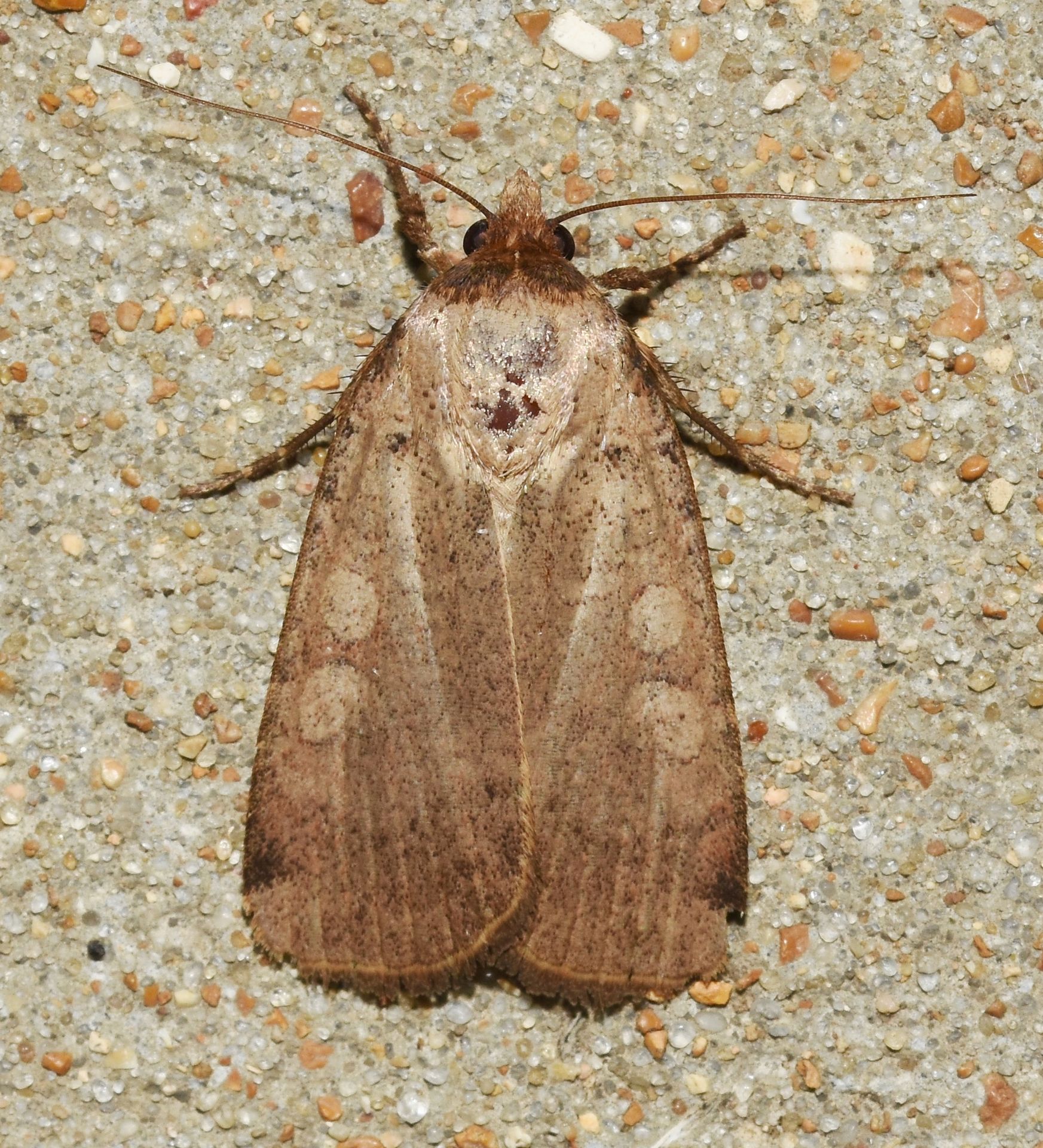
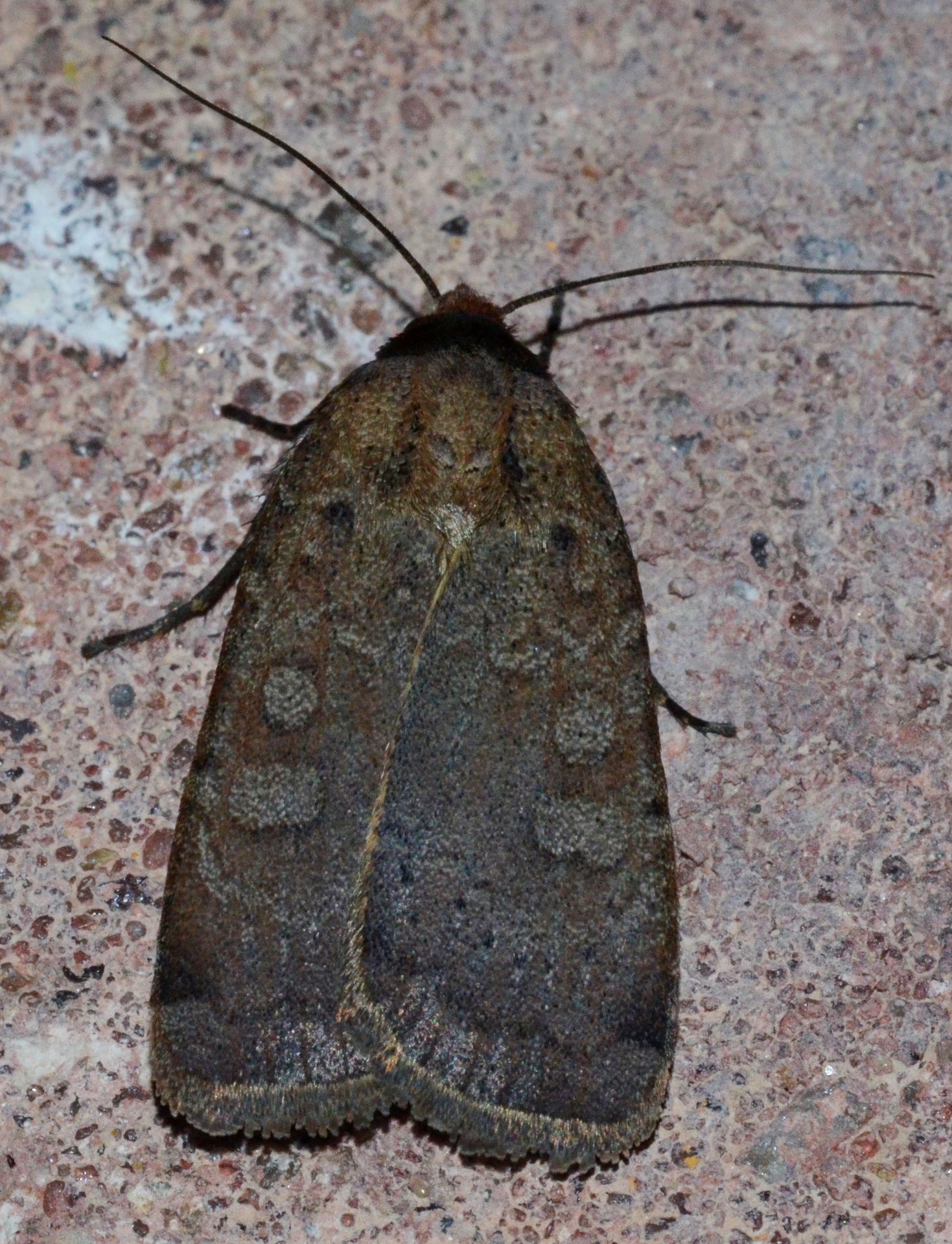
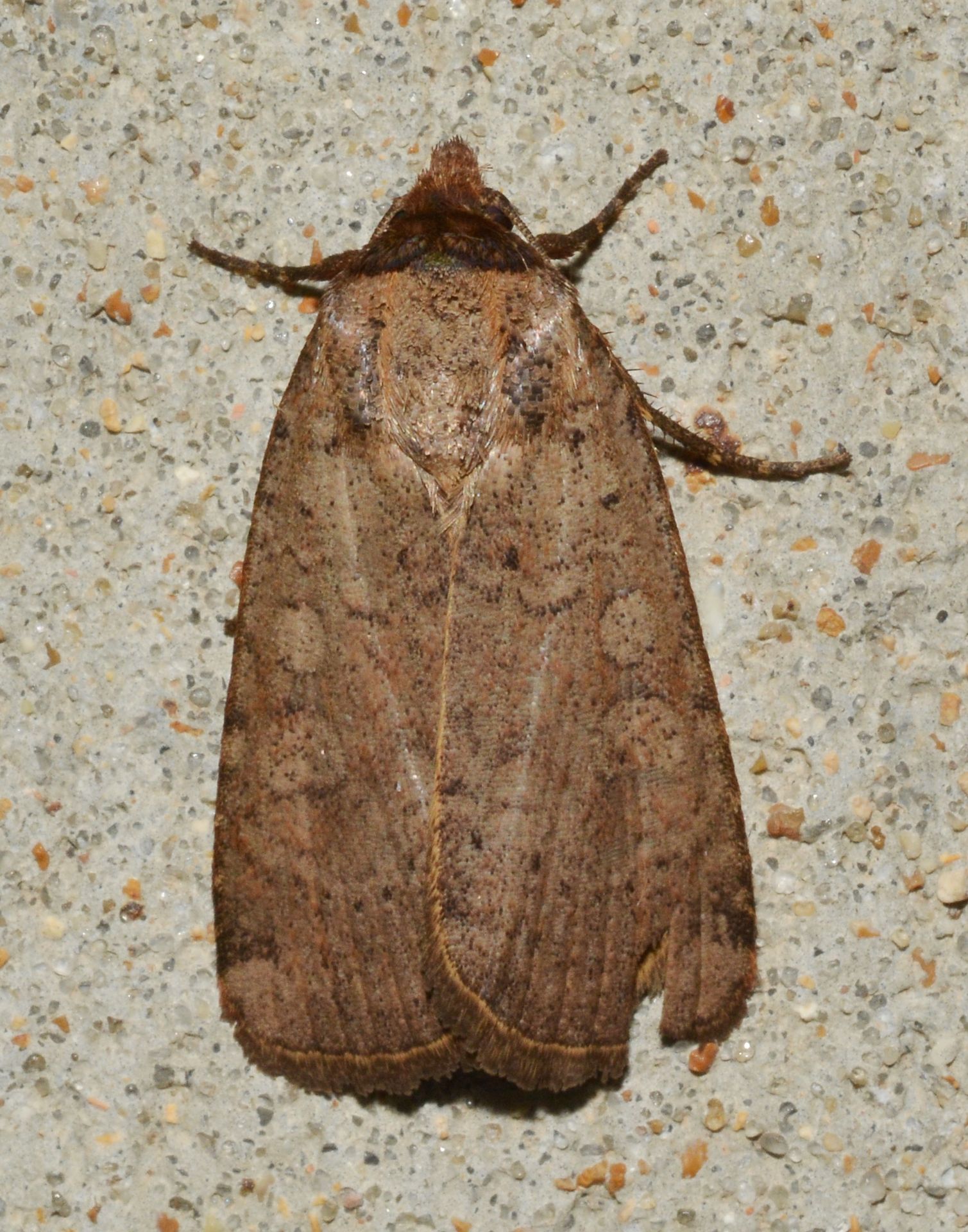
Protolampra brunneicollis, the Brown-collared Dart, is a noctuid native to eastern North America. The was described by Augustus Radcliffe Grote in 1864. fly from June through September, with evidence suggesting either bivoltinism or a single with summer . Larvae are feeders on low-growing herbaceous and woody plants.
Pronunciation
How to pronounce Protolampra brunneicollis: /proʊtoʊˈlæmprə bruːniːˈkɒlɪs/
These audio files are automatically generated. While they are not always 100% accurate, they are a good starting point.
Identification
The specific epithet brunneicollis (brown-collared) provides a key diagnostic feature distinguishing this from . Within the Protolampra, examination of thoracic coloration and collar pattern is necessary for accurate identification. Dissection or genitalia examination may be required to separate from similar noctuine species.
Images
Appearance
Wingspan approximately 35 mm. The name refers to a brown collar, likely referring to coloration on the or region.
Habitat
Occurs in eastern North American supporting low-growing herbaceous and woody vegetation, including areas with blueberry, clover, dandelion, sweet-fern, and tobacco.
Distribution
Eastern North America from New Brunswick to Alberta in southern Canada. In the United States, from Maine south to North Carolina and Tennessee, west to Mississippi, and north to Minnesota. Scattered western records from North Dakota, South Dakota, and Montana.
Seasonality
active from June to September. suggests either two annually or one generation with adults undergoing summer .
Diet
Larvae feed on diverse low-growing herbaceous and woody plants including blueberry (Vaccinium), clover, dandelion (Taraxacum officinale), sweet-fern (Comptonia peregrina), and tobacco. Larvae have been successfully reared on Vaccinium, Taraxacum officinale, and Comptonia peregrina.
Host Associations
- Vaccinium - larval food plantblueberry
- Taraxacum officinale - larval food plantdandelion
- Comptonia peregrina - larval food plantsweet-fern
- Nicotiana - larval food planttobacco
- Trifolium - larval food plantclover
Life Cycle
Complete with , larva, pupa, and stages. Larval stage feeds on diverse low-growing plants. Adult spans June through September, with possible pattern or .
Ecological Role
Larval stage functions as a herbivore on low-growing vegetation. likely serve as and prey for bats, birds, and other .
Similar Taxa
- Other Protolampra speciesRequire examination of thoracic collar coloration and pattern for separation; genitalia dissection may be necessary for definitive identification.
- Noctuinae species with brown thoracic markingsShare superficial coloration patterns; accurate identification requires attention to specific collar characteristics and geographic range.
More Details
Nomenclatural Note
Grote described this in 1864 as Noctua brunneicollis; it was later transferred to Protolampra. Some sources cite 1864, others 1865 as the publication year.
Generation Uncertainty
studies have not definitively resolved whether produce two annually or a single generation with summer .