
Agnorisma bugrai
Koçak, 1983
Collared Dart, collard dart
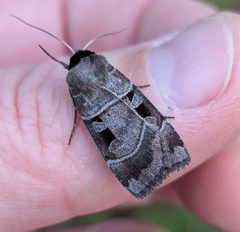
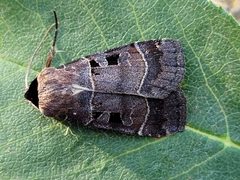
Agnorisma bugrai, commonly known as the collared dart, is a small noctuid described by Ahmet Ömer Koçak in 1983. The exhibits a transcontinental distribution across North America, ranging from central Canadian provinces through the northern United States and extending southward along the Rocky Mountains to Colorado. are active in late summer and early autumn.
Pronunciation
How to pronounce Agnorisma bugrai: /æɡˈnɔrɪsmə ˈbʌɡraɪ/
These audio files are automatically generated. While they are not always 100% accurate, they are a good starting point.
Identification
The can be distinguished from similar noctuid by its small size (approximately 25 mm wingspan) and late-season period (August–September). The "collared dart" suggests a distinctive collar-like marking, though specific diagnostic features require examination of or specialized references.
Images
Appearance
Wingspan approximately 25 mm. Specific wing pattern details are not documented in available sources.
Habitat
Associated with northern and montane regions of North America, including prairie provinces and Rocky Mountain . Specific microhabitat preferences are not documented.
Distribution
Transcontinental in North America: central Canada (Alberta, Manitoba, Saskatchewan), northern United States, and southward in the Rocky Mountains to Colorado. Distribution records also include Vermont.
Seasonality
are on wing from August to September; exact timing varies by location.
Behavior
activity pattern inferred from -level traits; fly during late summer evenings.
Similar Taxa
- Other Agnorisma speciesCongeneric share general and require careful examination for separation; A. bugrai distinguished by described range and .
- Small Noctuinae mothsSimilar size and general appearance; identification relies on subtle wing pattern differences and geographic distribution.
More Details
Taxonomic History
Originally described as Xestia bugrai Koçak, 1983, later transferred to Agnorisma. The epithet honors Turkish entomologist Buğra.
Observation Status
Relatively few documented observations (136 iNaturalist records as of source date), suggesting either genuine rarity or undercollection due to late-season and northern distribution.