Scotogramma harnardi
Barnes & Benjamin, 1924
Harnard's cutworm, Harnard's dart moth
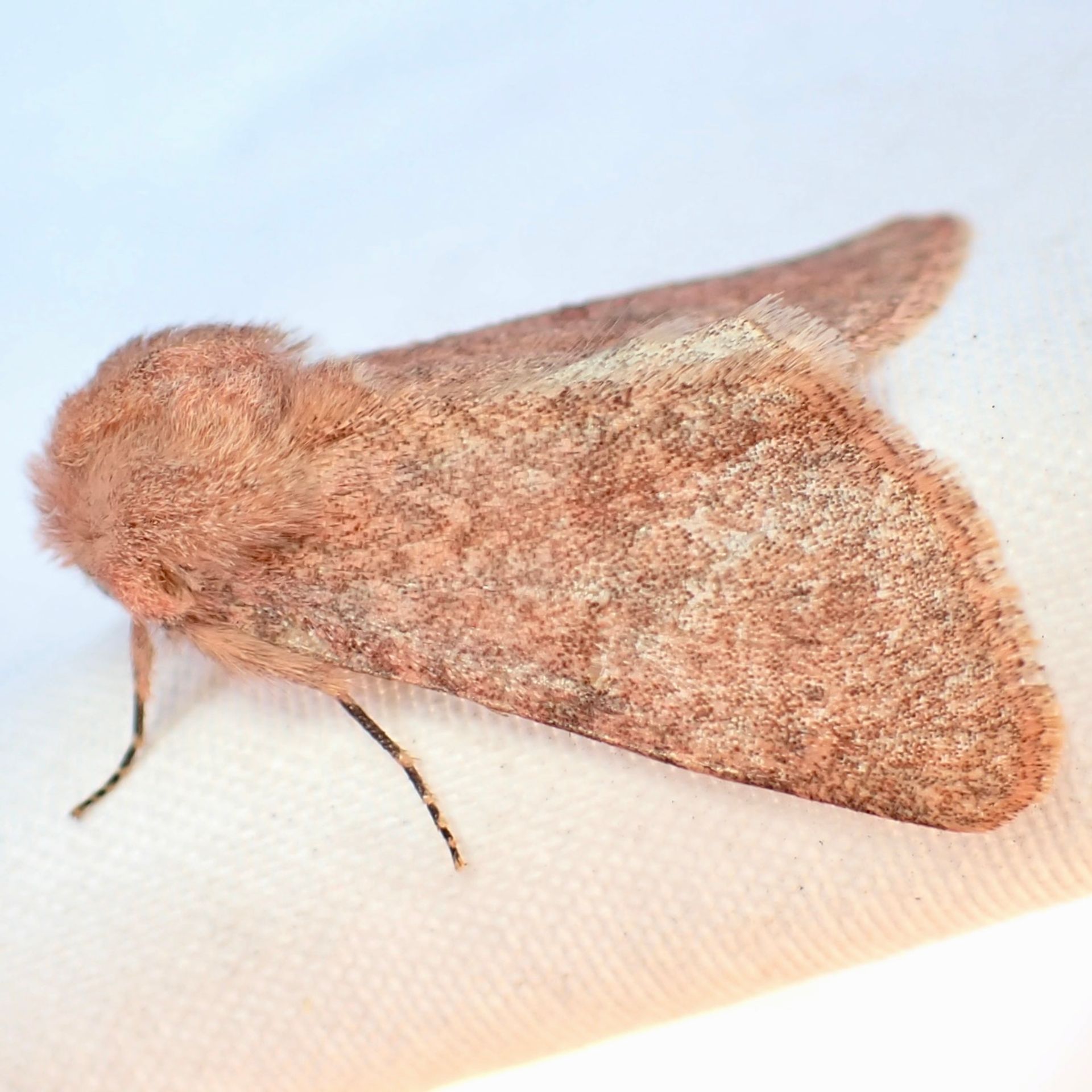
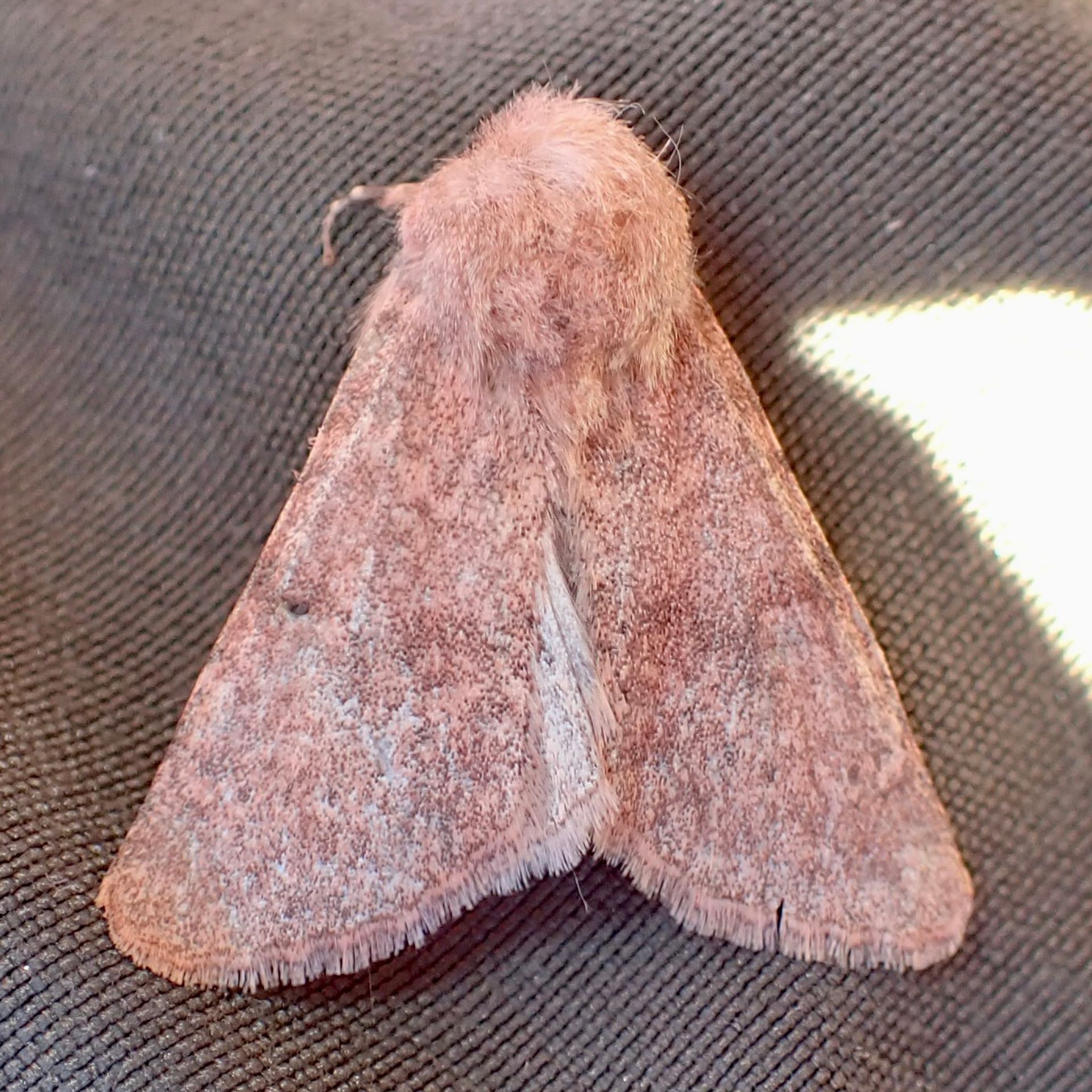
Scotogramma harnardi is a of or dart moth in the Noctuidae, first described in 1924 by William Barnes and Foster Hendrickson Benjamin. It belongs to a of medium-sized noctuid commonly known as cutworms due to the feeding of their larvae. The species is known from North America, though specific details about its remain poorly documented.
Pronunciation
How to pronounce Scotogramma harnardi: /ˌskɒtoʊˈɡræmə hɑrˈnɑrdi/
These audio files are automatically generated. While they are not always 100% accurate, they are a good starting point.
Identification
The MONA or Hodges number for this is 10242, a standard identifier used in North American classification. As a member of Scotogramma, it likely shares the characteristics of relatively plain, dull-colored forewings with subtle patterning typical of many Noctuinae. Distinguishing S. harnardi from congeneric species requires examination of genitalic structures and comparison with ; no reliable external morphological characters for field identification have been published.
Images
Distribution
North America. Specific regional records are sparse; the has been documented in the United States based on museum specimens and limited occurrence data.
Similar Taxa
- Scotogramma densaCongeneric with overlapping North American distribution; external similarity requires dissection for reliable separation
- Scotogramma elinguaAnother North American Scotogramma ; subtle differences in wing pattern and genitalia distinguish the two
More Details
Taxonomic history
The was described from specimens collected in the early 20th century. The etymology of the specific epithet 'harnardi' honors an individual, though the original description does not specify further details.
Data deficiency
With only 3 observations in iNaturalist and limited published literature, this represents a data-deficient within the diverse Noctuidae. Most biological aspects remain undocumented.