Hadena amabilis
(Barnes & McDunnough, 1918)
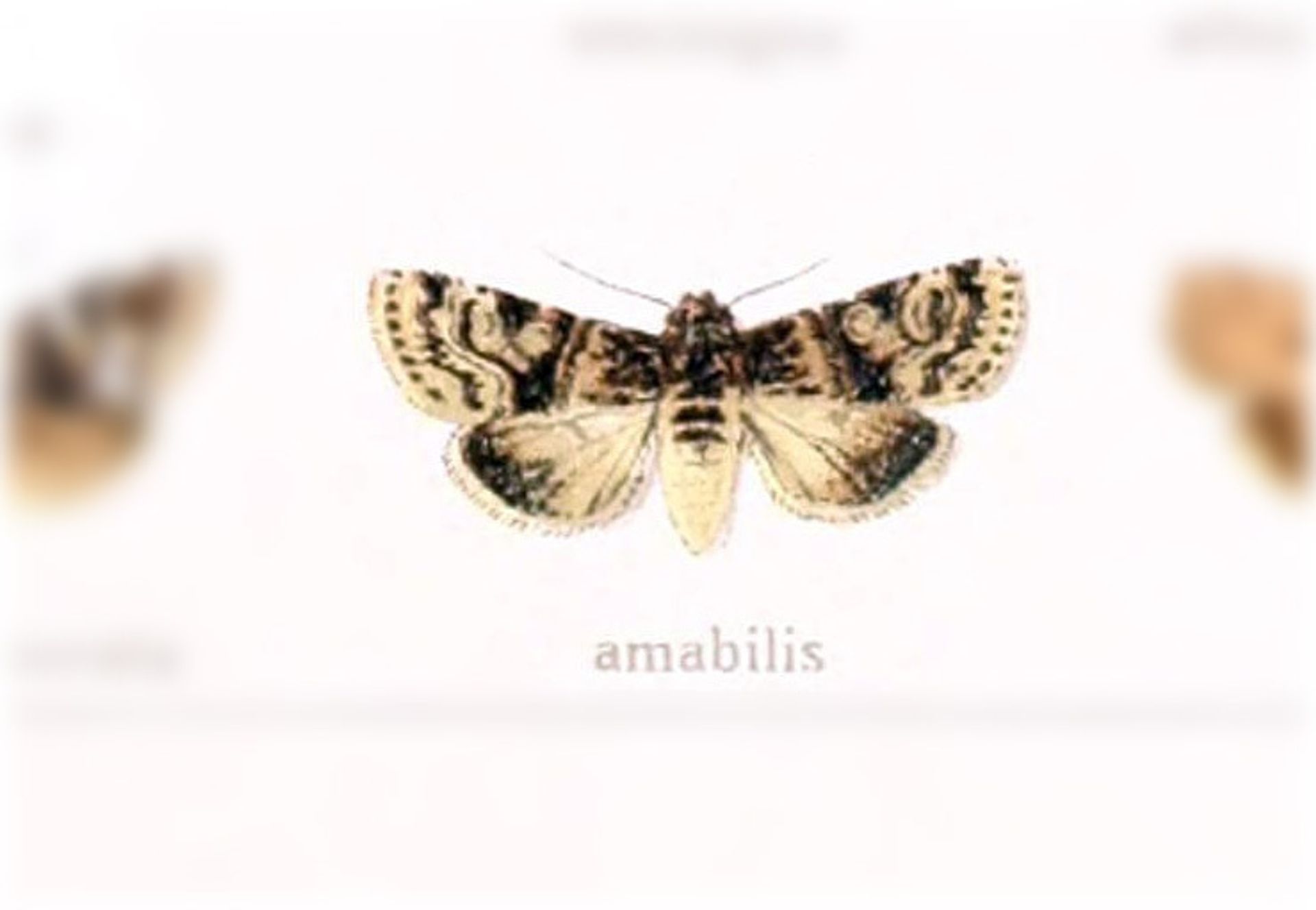
Hadena amabilis is a in the Noctuidae, described by William Barnes and James Halliday McDunnough in 1918. It is to California, where are active from late spring through early autumn. The has a wingspan of approximately 33 mm. Very little is known about its , including larval plants or specific associations.
Pronunciation
How to pronounce Hadena amabilis: //həˈdiːnə əˈmæbɪlɪs//
These audio files are automatically generated. While they are not always 100% accurate, they are a good starting point.
Identification
Hadena amabilis can be distinguished from other Hadena by its restricted California distribution and period. Accurate identification requires examination of genitalic structures or reference to original species description. The species may be confused with other small to medium-sized Noctuidae in the Hadena, which are generally drab-colored with similar forewing patterns.
Images
Appearance
have a wingspan of approximately 33 mm. No detailed description of coloration, pattern, or body is available in published sources.
Distribution
to the US state of California. Specific associations within California are not documented.
Seasonality
have been recorded on wing from May to September, indicating a multi-month period spanning late spring through early autumn.
Similar Taxa
- Other Hadena speciesMany Hadena share similar size, drab coloration, and habits. Accurate identification to species level in this typically requires dissection and examination of genitalia or reference to .
More Details
Taxonomic history
Described by prominent North American lepidopterists William Barnes and James Halliday McDunnough in 1918. The specific epithet 'amabilis' is Latin for 'lovely' or 'amiable'.
Data gaps
No published information exists on larval plants, stages, precise requirements, or status. The has not been recorded on iNaturalist as of the knowledge cutoff.