Lacinipolia cuneata
(Grote, 1873)
Cuneate Arches Moth
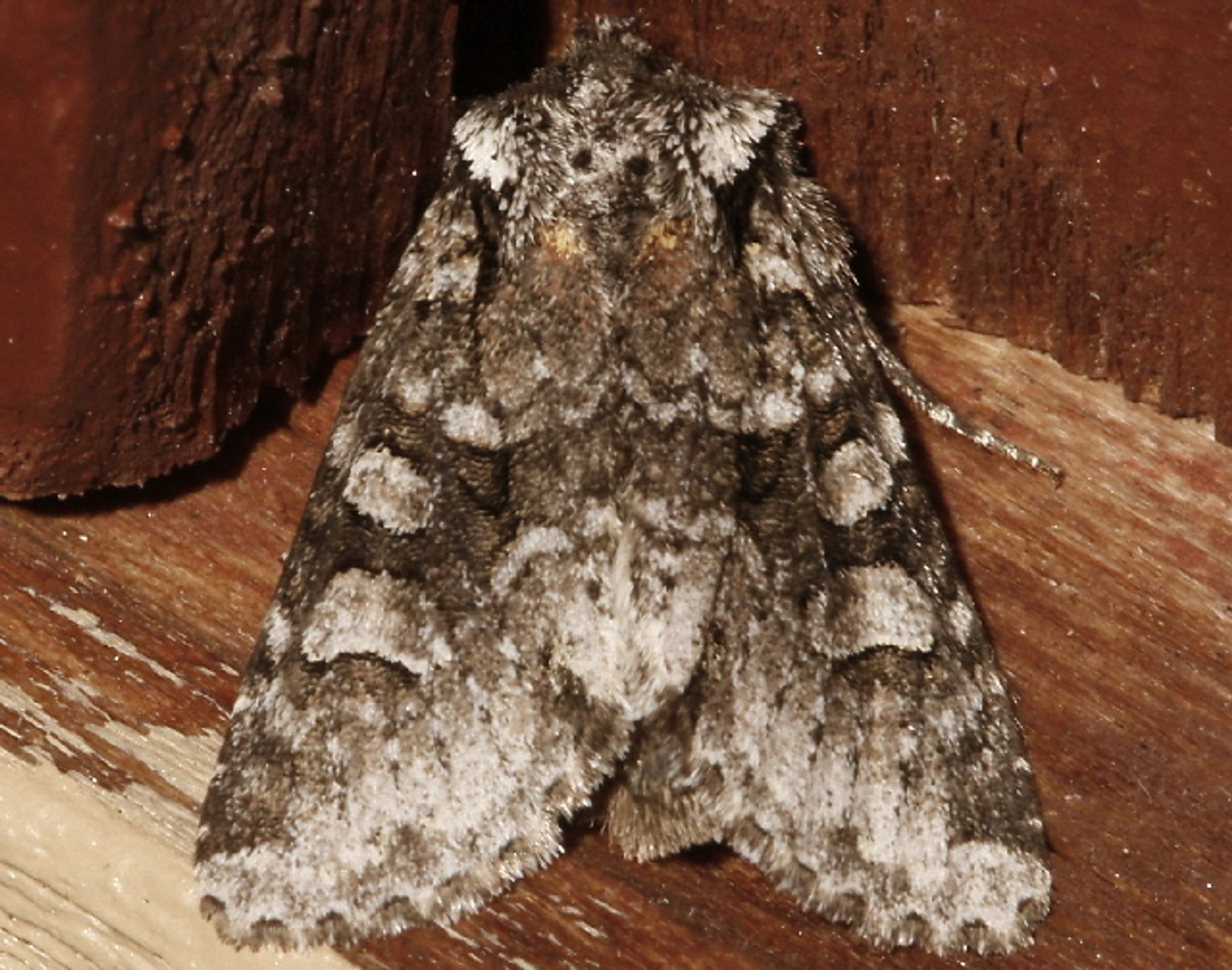
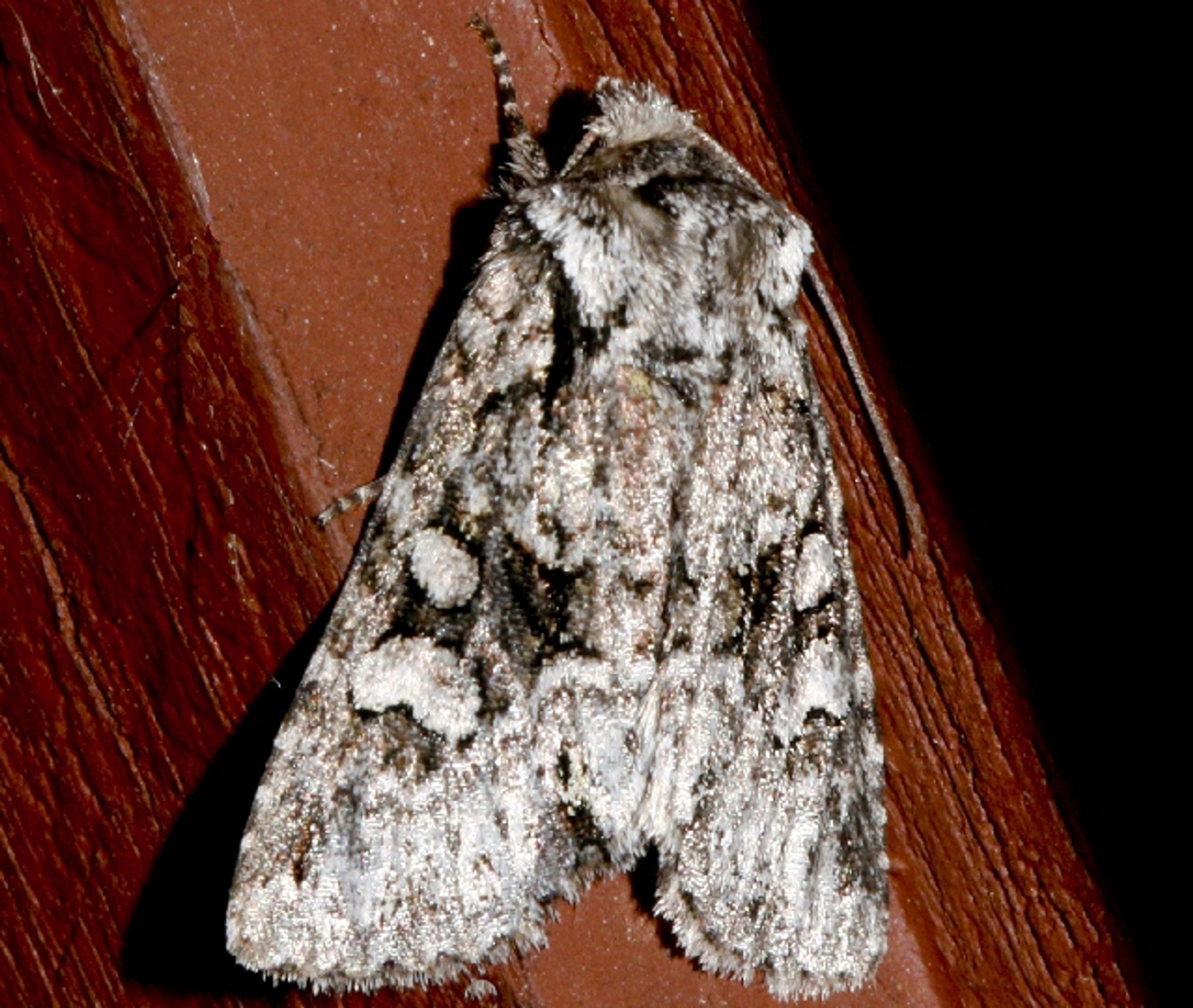
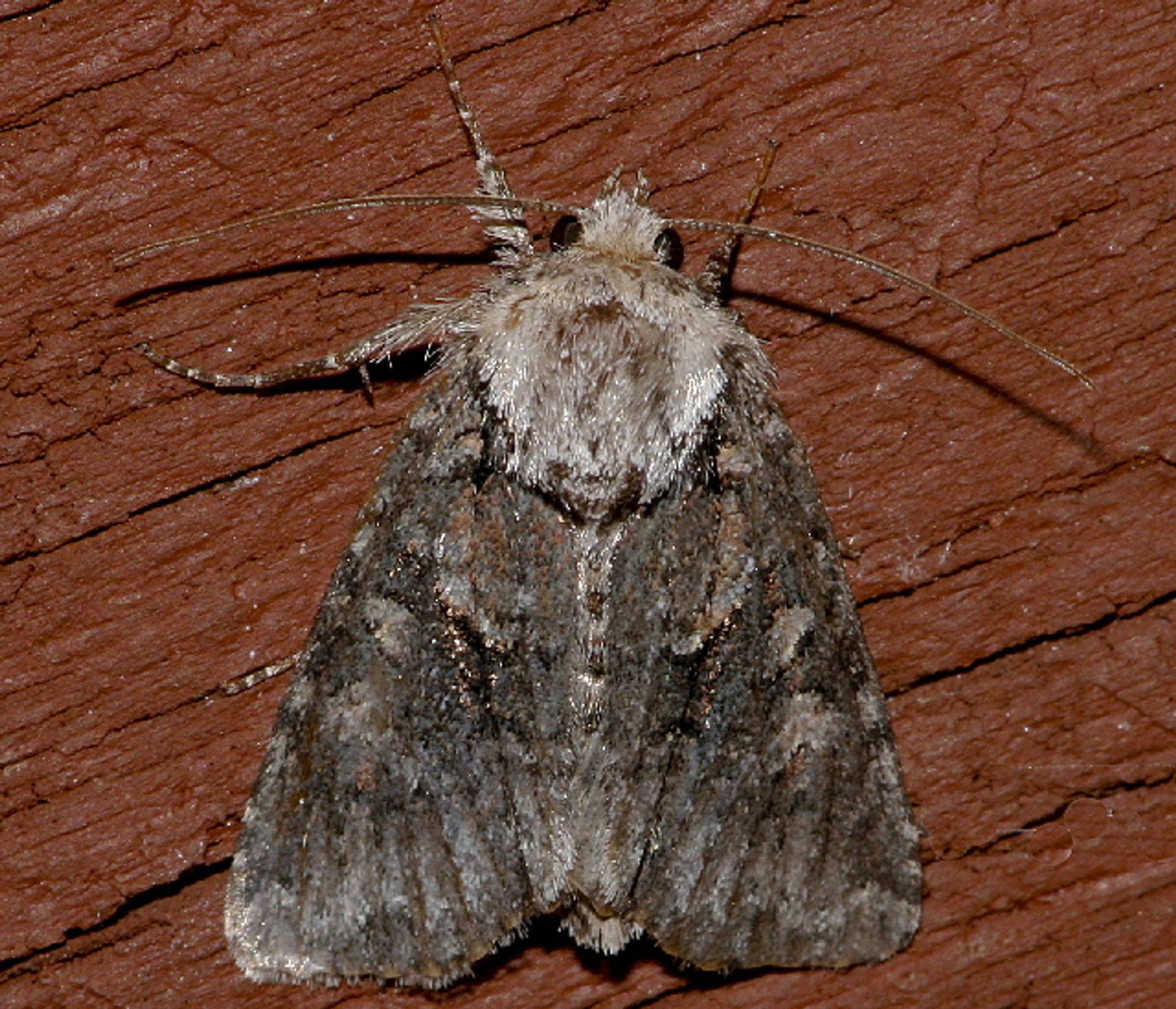
Lacinipolia cuneata, commonly known as the Cuneate Arches , is a of in the . It is found in North America and is one of several larger Lacinipolia species that can be attracted to blacklights. The species was originally described as Mamestra cuneata by Grote in 1873. It is assigned MONA/Hodges number 10371.
Pronunciation
How to pronounce Lacinipolia cuneata: //ˌlæˌsɪnɨˈpoʊliə ˌkjuːniˈɑːtə//
These audio files are automatically generated. While they are not always 100% accurate, they are a good starting point.
Identification
Members of the Lacinipolia cannot be reliably distinguished from one another by visual alone. Lacinipolia cuneata is one of the larger in this genus. Specimens have been observed in both mottled gray and green color ; the green form likely provides when resting on lichen-covered tree trunks during daylight hours.
Images
Distribution
North America
Seasonality
have been observed during late July in Colorado, suggesting summer activity.
Behavior
are attracted to blacklights at night. One observed green individual likely rests on lichen-covered substrates during daylight hours for .
Similar Taxa
- Other Lacinipolia speciesCannot be distinguished visually from L. cuneata; identification requires examination of or other microscopic features.
More Details
Taxonomic history
Originally described as Mamestra cuneata Grote, 1873; later transferred to Lacinipolia.
MONA/Hodges number
10371