Elaphria chalcedonia
Hübner, 1808
Chalcedony Midget, Chalcedony Midget Moth
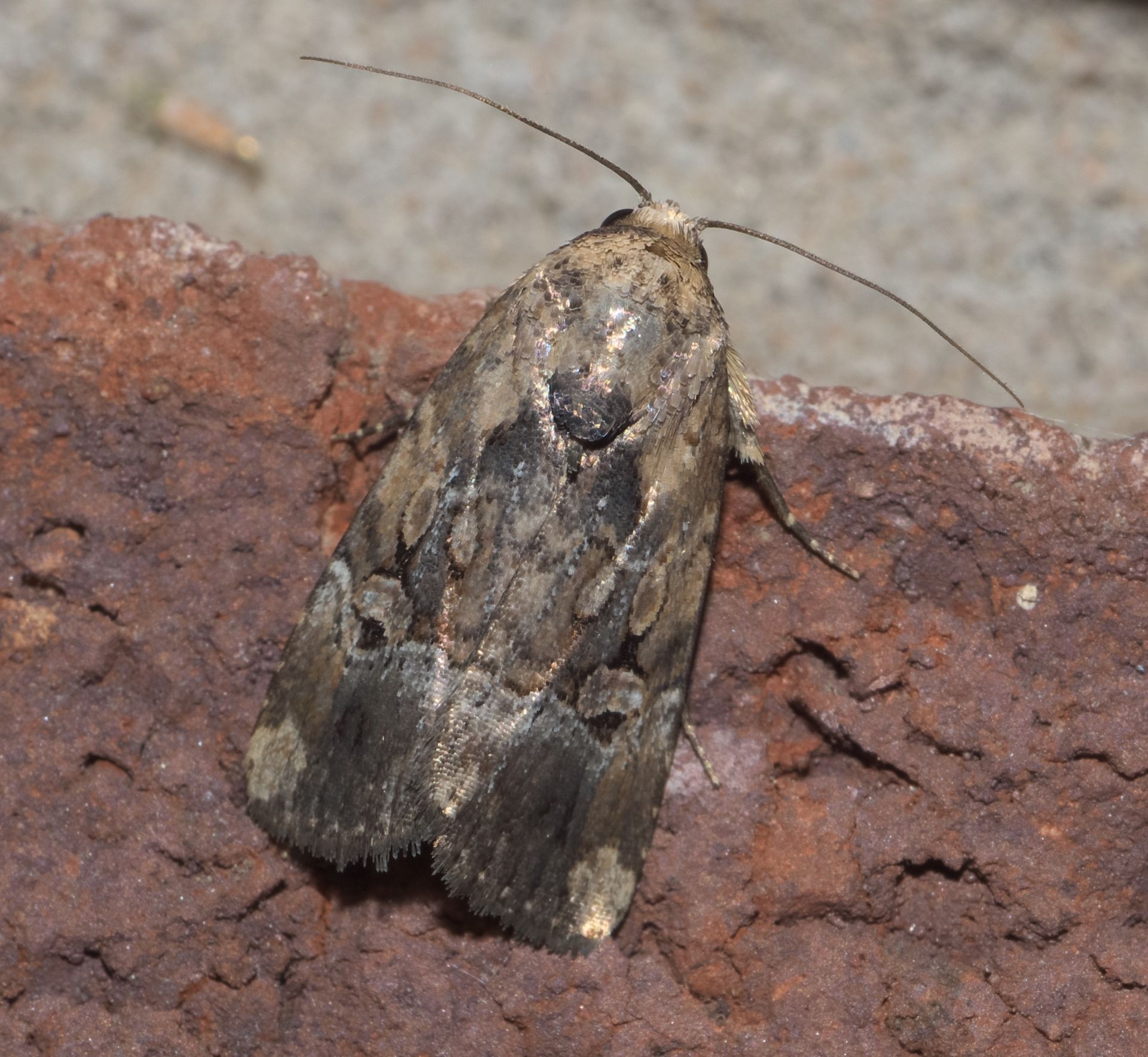
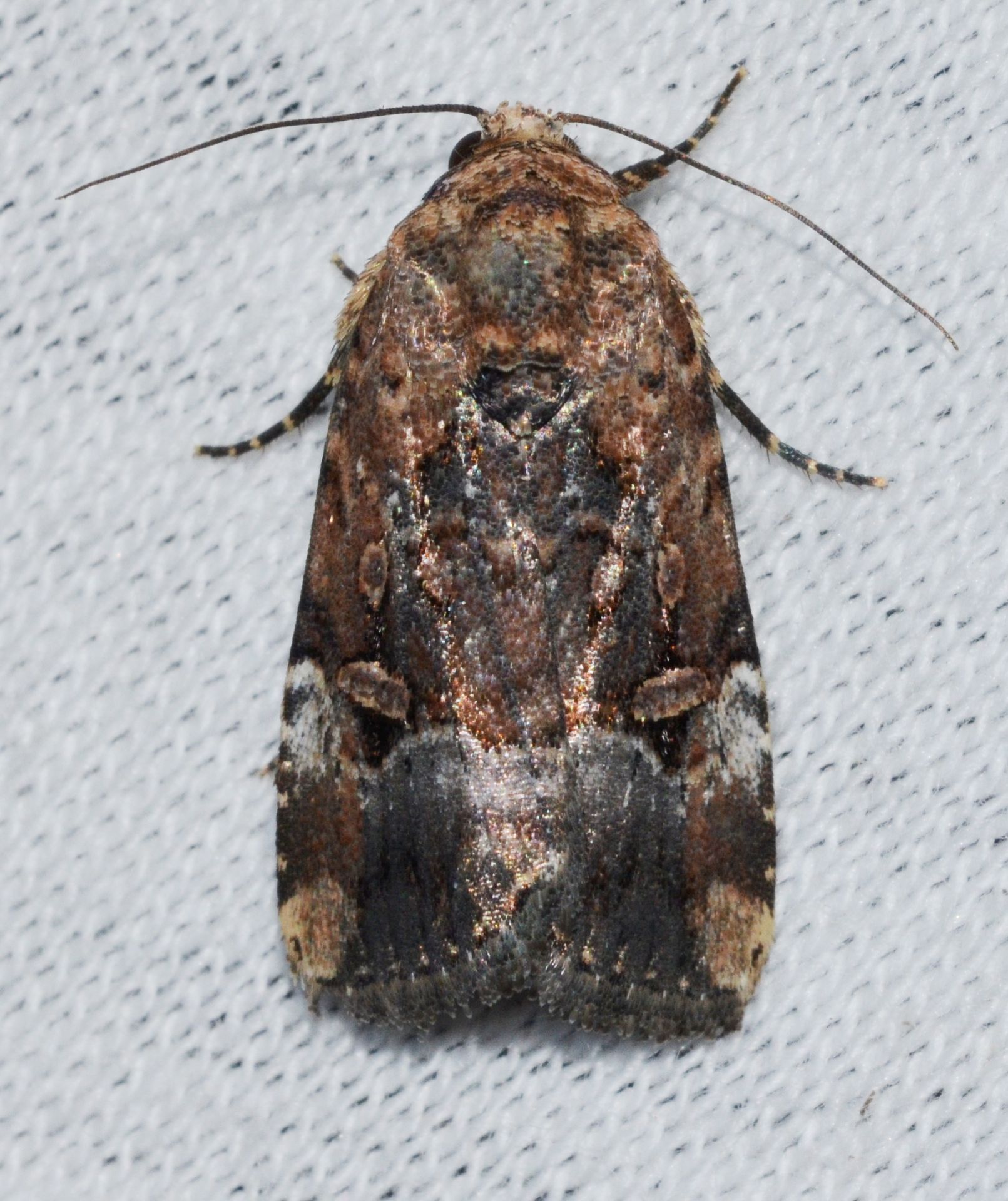
Elaphria chalcedonia, commonly known as the Chalcedony Midget , is a small noctuid moth with a wingspan of 24–28 mm. It occurs across a broad geographic range spanning the eastern United States, the Caribbean, and Central America. The shows pronounced seasonal variation in activity: year-round in Florida versus a restricted summer season in northern . Larval feeding has been documented on several in the Scrophulariaceae.
Pronunciation
How to pronounce Elaphria chalcedonia: /ɛˈlæf.ri.ə ˌkæl.sɪˈdoʊ.ni.ə/
These audio files are automatically generated. While they are not always 100% accurate, they are a good starting point.
Identification
The specific epithet 'chalcedonia' refers to chalcedony, a semi-precious stone, suggesting possible pale or translucent wing coloration typical of some Elaphria . Positive identification requires examination of genitalia or comparison with similar small noctuids in the Elaphria, such as E. grata (Grateful Midget). Distinguishing features from are not documented in available sources.
Images
Distribution
Eastern United States from Maine south to Florida, west to Texas, and north to Wisconsin. Also recorded from Jamaica, Guadeloupe, Saint Martin, Puerto Rico, and Central America.
Seasonality
active year-round in Florida; in the northern part of the range, period is June to September. This pattern suggests a multivoltine in warmer regions and or partially cycles in temperate areas.
Diet
Larvae feed on Penstemon, Scrophularia, and Mimulus ( Scrophulariaceae). feeding habits are not documented.
Host Associations
- Penstemon - larval
- Scrophularia - larval
- Mimulus - larval
Life Cycle
Complete with , larva, pupa, and stages. Larval stage is herbivorous on Scrophulariaceae. Specific details on site, stage, and number of per year are not documented.
Behavior
are and attracted to light sources. activity is temperature-dependent, with seasonal variation in northern versus southern .
Ecological Role
Larvae function as herbivores on Scrophulariaceae, potentially contributing to of these plants. may serve as prey for . Specific ecological impacts are not quantified.
Human Relevance
No documented economic importance. Occasionally encountered by entomologists and naturalists at blacklight stations. Not known to be a pest of cultivated plants.
Similar Taxa
- Elaphria grataSimilar small size and 'midget' ; both in Elaphria and frequently collected at lights. E. grata is known as the Grateful Midget and has been documented in similar blacklight surveys.
More Details
Historical taxonomy
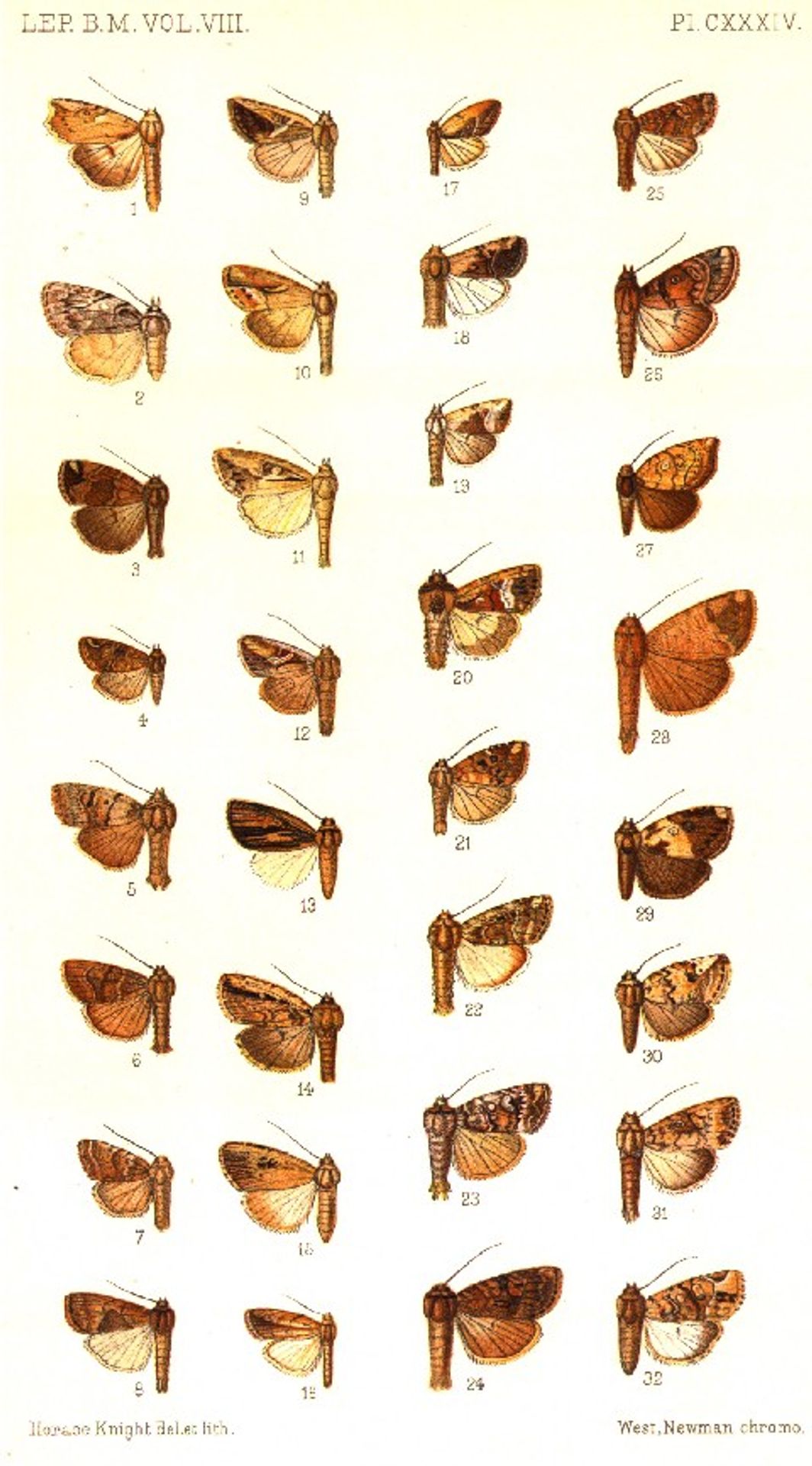
Originally described as Noctua chalcedonia by Jacob Hübner in 1808, later transferred to Elaphria.
Conservation status
Not evaluated by IUCN. Observations on iNaturalist (n=6,590) suggest it remains relatively frequently encountered across its range, though like many insects, it may be affected by artificial light pollution.