
Bellura obliqua
Walker, 1865
Cattail Borer Moth, cattail borer
Bellura obliqua, commonly known as the cattail borer , is a of cutworm moth in the Noctuidae. The species was first described by Francis Walker in 1865. It is found in North America, with distribution records from Canada (Alberta, Manitoba, Saskatchewan) and the United States (Vermont). The suggests larval association with cattails (Typha spp.), though specific biological details remain poorly documented in available sources.
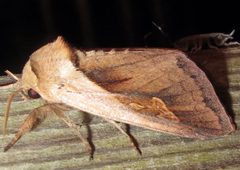
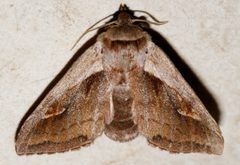

Pronunciation
How to pronounce Bellura obliqua: /bɛˈluːrə oʊˈbliːkwə/
These audio files are automatically generated. While they are not always 100% accurate, they are a good starting point.
Images
Habitat
Wetland , inferred from association with cattails (Typha spp.) and distribution records from provinces and states with significant wetland areas.
Distribution
North America. Documented occurrences in Canada: Alberta, Manitoba, Saskatchewan. United States: Vermont. The likely has broader distribution across North American wetlands, but specific range boundaries are not well established in available sources.
Host Associations
- Typha - larval Inferred from 'cattail borer'; specific plant associations not explicitly documented in available sources.
Similar Taxa
- Bellura melanopygaCongeneric with similar aquatic/wetland associations; B. melanopyga is documented as aquatic, feeding underwater on yellow waterlily (Nymphaea americana)
- Bellura gortynoidesCongeneric , sometimes known as white-tailed diver , with documented aquatic larval habits
More Details
Taxonomic note
The Bellura belongs to Noctuidae, Noctuinae. Several Bellura are known for aquatic or semi-aquatic larval habits, though B. obliqua's specific is less documented than such as B. melanopyga and B. gortynoides.
Sources and further reading
- BugGuide
- Wikipedia
- GBIF taxonomy match
- iNaturalist taxon
- NCBI Taxonomy
- Catalogue of Life
- Outstanding PBS Deep Look Video: 'Why Do Sunflowers Face the Sunrise?' | Bug Squad
- Does Sneezeweed Make You Sneeze? | Bug Squad
- To Control Lekking Fruit Flies, Male Size Matters (Except When it Doesn't)
- The Lepidopteran Life Aquatic
- Up Close and Personal With Venomous Moths
- Bug Eric: Sunflower Extravaganza